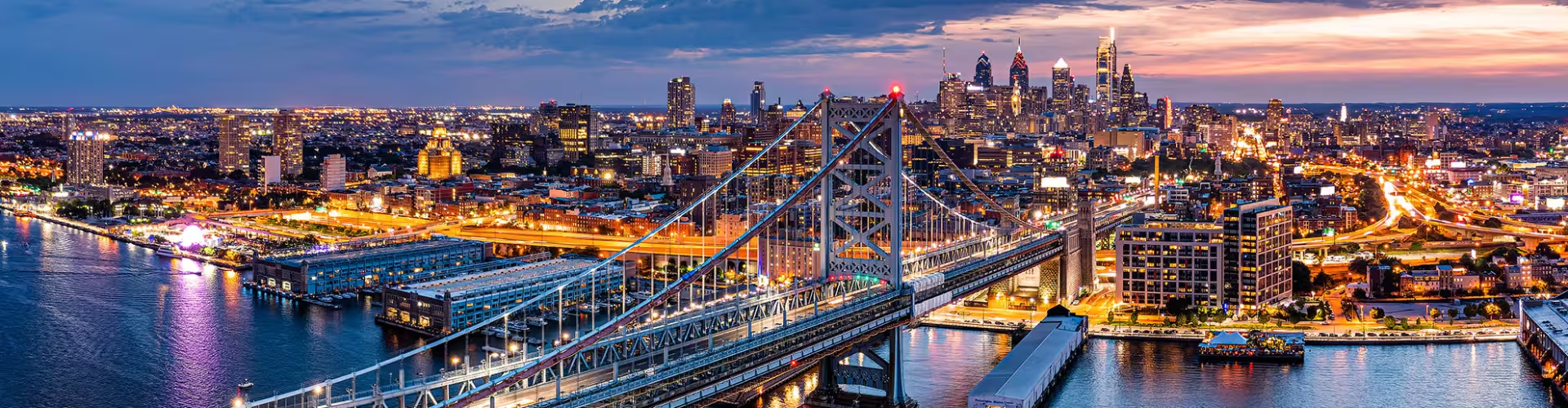
Philadelphia is a city that rewards curiosity, history lovers, and food-first travelers in equal measure. Come for the founding-era landmarks and museum-grade culture, stay for neighborhood energy, walkable streets, and a dining scene that goes far beyond the famous sandwich. This guide focuses on practical decisions, what to prioritize, how to pace your days, and how to experience the city with confidence.
Philadelphia blends big-city culture with a lived-in, local feel, where cobblestone blocks and modern murals can sit within the same afternoon. The signature vibe is proudly authentic, with strong arts institutions, deep American history, and a food identity that locals debate with passion. It is an easy city to tackle on foot and by transit, which makes it ideal for a quick weekend or a longer deep dive.
Philadelphia sits in southeastern Pennsylvania in the Mid-Atlantic region of the United States. It is a major urban hub between New York City and Washington, D.C., which makes it a natural add-on to a Northeast corridor trip. The primary air gateway is Philadelphia International Airport, and the city is also well-connected by intercity rail and bus services that arrive near Center City.
Spring and fall are popular for comfortable walking weather and a packed calendar of cultural events. Summer brings higher heat and humidity, plus a lively outdoor dining and festival scene, with bigger crowds around major attractions. Winter is quieter and can be a value-friendly time for museums and dining, though shorter days can shift your itinerary toward indoor experiences.
The local currency is the US dollar. Cards are widely accepted, but carrying a small amount of cash is useful for tips, small purchases, and quick snacks. Budget planning in Philadelphia is often about prioritizing what you will pay to enter, like museums and special exhibits, and balancing that with free experiences such as historic streets, parks, and neighborhood exploring.
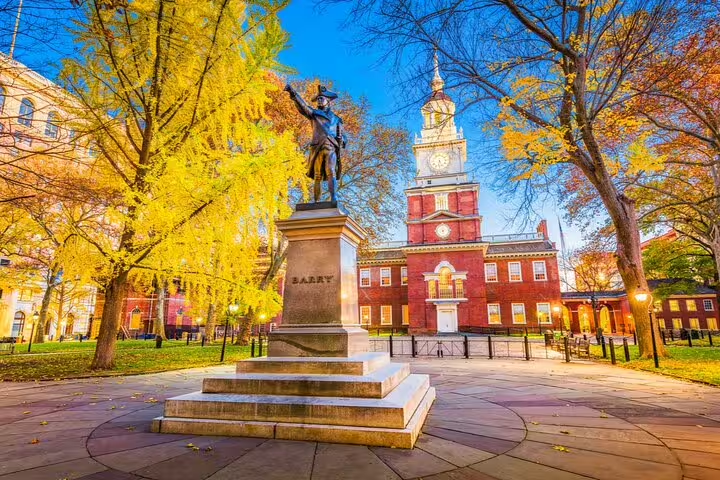
Independence Hall and the Liberty Bell
These landmarks anchor the city’s role in the American founding story and set the context for everything you will see afterward. The experience is strongest when you slow down and connect the symbols to the streets around them, which still feel like a working city rather than a theme park. Practical tip: aim for an early start to reduce waiting, and pair the visit with a walk through nearby historic blocks to extend the atmosphere without adding cost.
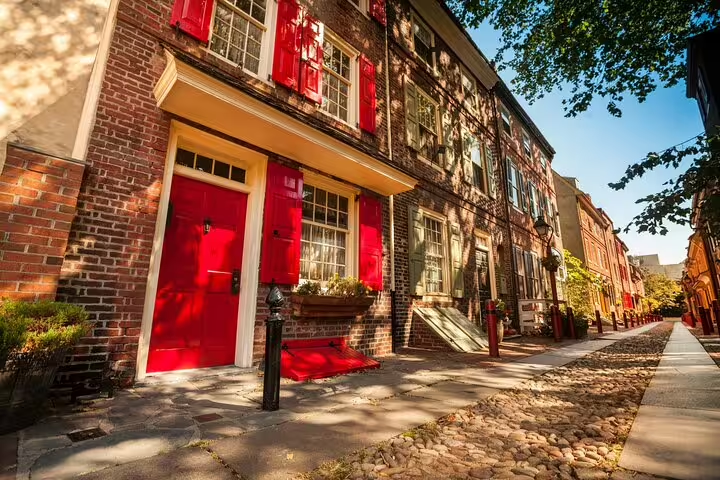
Old City Walking Loop
Old City is where the past feels most tangible, with brick facades, narrow streets, and a rhythm that invites wandering. It is also one of the easiest places to build a high-impact day because so many highlights cluster close together. Practical tip: wear comfortable shoes and plan a flexible route, the best moments often come from detours into small side streets.
Philadelphia Museum of Art and the Parkway
This is a cornerstone stop for art lovers and anyone who wants a grand, cinematic view of the city’s cultural side. The surrounding boulevard, often called the Benjamin Franklin Parkway, creates a museum district feel, with wide sidewalks and a sense of scale. Practical tip: schedule your museum time with breaks in mind, then step outside to reset your energy before continuing.
Rocky Steps Photo Stop
Even if you are not a movie fan, the steps deliver a classic city viewpoint and a fun, communal moment. It is a quick win that adds a memorable photo to your trip without requiring a major time commitment. Practical tip: go early for fewer people in the frame, and consider pairing it with the museum area to avoid extra transit hops.
Reading Terminal Market
This market is a crash course in local flavor, from classic comfort food to regional specialties and global bites. It is also a practical travel tool, since you can eat well quickly and keep your itinerary moving. Practical tip: arrive hungry and walk a full loop before ordering, then split items with your group so you can sample more.
Rittenhouse Square and Café Time
Rittenhouse is a polished, leafy pocket that shows a different side of Philadelphia, calm, social, and ideal for a midday pause. The surrounding streets are strong for browsing, coffee, and people-watching, especially when the weather is pleasant. Practical tip: treat it as a reset stop between museums and evening plans, and keep your schedule light here.
South Street and Neighborhood Browsing
South Street is known for its eclectic mix, with shops, street energy, and a more alternative, local character. It is less about one headline attraction and more about the experience of moving through a lively corridor. Practical tip: go with a flexible mindset, and use it as a bridge to nearby neighborhoods rather than a single-point destination.
Murals and Public Art Spotting
The city’s mural culture adds color and storytelling to everyday blocks, and it is one of the easiest ways to feel the modern identity of the place. You will notice how art connects to community themes and turns ordinary corners into photo moments. Practical tip: keep your camera ready, and build extra time into your walks because you will stop more often than you expect.
Schuylkill River Trail Walk
For a breather from streets and crowds, the river trail offers a scenic, active way to see the city. It is especially satisfying around golden hour when the skyline and water reflections are at their best. Practical tip: bring a light layer if you go later in the day, and stay aware of cyclists when sharing the path.
Start in Old City with Independence Hall and the Liberty Bell area, then extend the morning with a relaxed walking loop through historic streets. Head to Reading Terminal Market for lunch, keeping it efficient by sampling a couple of items rather than committing to a long sit-down meal. Spend the afternoon on the Benjamin Franklin Parkway and the Philadelphia Museum of Art area, then finish with an evening stroll and dinner around Rittenhouse Square for a calm, classic close.
Day one follows the highlights, but slow the pace by adding more neighborhood wandering in Old City and time for public art spotting. Day two can focus on museums and the Parkway, plus a longer Schuylkill River Trail walk for a different perspective. If you have a third day, use it for South Street browsing and a food-focused plan that revisits your favorite market stalls, tries a new neighborhood restaurant, and leaves space for spontaneous discoveries.
Philly Cheesesteak
Savory, rich, and hot off the grill, this is the city’s most famous bite, built around sliced steak and a soft roll. The experience is as much about ritual as taste, ordering with confidence helps the line move. Ordering tip: know what cheese you want before you reach the counter, and keep it simple for your first try.
Roast Pork Sandwich
Often a favorite among locals, roast pork brings deep, slow-cooked flavor and a satisfying, hearty texture. It is a great alternative if you want something iconic but less expected. Ordering tip: ask about greens and sharp flavors that cut through the richness, it can balance the bite.
Pretzels
Soft pretzels are a classic snack that fits a walking-heavy day, warm, salty, and easy to eat on the go. They are a small but real part of the regional food identity. Ordering tip: pair one with a drink and treat it as a quick reset between attractions.
Water Ice
This is a refreshing, fruit-forward treat that is especially popular in warmer months. The texture sits between sorbet and shaved ice, and it is ideal when you need a break from heavier foods. Ordering tip: choose a bright flavor first, then go richer on your second round if you are sampling.
Tastykake-style Snack Cakes
Packaged local sweets are a nostalgic taste of the region and a fun, low-effort souvenir. They are not a fine-dining moment, but they are part of the everyday flavor culture. Ordering tip: grab a couple of varieties and do a small taste test, it makes for an easy travel-day treat.
Italian Hoagie
A hoagie is about balance, savory meats, tangy dressing, and crisp bite from vegetables on a good roll. It is a reliable lunch choice when you need something filling that still feels local. Ordering tip: ask for it dressed, then eat it soon after buying so the bread stays at its best.
Philadelphia is well-suited to walking, especially in and around Center City and Old City, where many major sights cluster. Public transit is useful for stretching your range to museum areas and neighborhoods, and ride-sharing can help when you are short on time or traveling late. Practical safety note: stay aware of your surroundings as you would in any major city, keep valuables secure in crowded areas, and plan your route in advance if you are heading out after dark.
Valley Forge
A meaningful option for travelers interested in Revolutionary War history and open landscapes. Travel time depends on your route and transport choice, but it is commonly approached as a half-day to day outing. Primary reason to visit: historical context paired with a calmer, outdoor setting.
Brandywine Valley
This area is known for scenic countryside and a slower pace than the city. It works well when you want a reset from museums and sidewalks. Primary reason to visit: pastoral views and a classic Pennsylvania day out.
New Hope
A charming small-town escape that feels distinctly different from the city’s grid and bustle. It is a good pick for browsing, riverside atmosphere, and an easy change of scenery. Primary reason to visit: walkable small-town vibe with strong weekend energy.
Atlantic City
A shore-style day trip for travelers who want a boardwalk atmosphere and a different kind of entertainment mix. Timing varies by traffic and transport, so it is best planned as a full day. Primary reason to visit: oceanfront change of pace and classic seaside culture.
Center City is a practical base because it keeps you close to major sights and makes walking between neighborhoods easier. It also simplifies transit connections and dining options.
One day covers the headline historic and food highlights, but two to three days gives you time for museums, neighborhoods, and a slower pace. Philadelphia is most enjoyable when you leave room for wandering.
Many top attractions are walkable, especially in Old City and Center City. Public transit and ride-sharing help for longer hops, and a car is usually unnecessary for a city-focused trip.
Spring and fall are popular for comfortable temperatures and strong sightseeing conditions. Summer is lively but can be hotter, while winter tends to be quieter and more indoor-focused.
Make time for Reading Terminal Market so you can sample multiple items efficiently. Add one classic sandwich choice, then balance it with a lighter snack like a pretzel or water ice depending on the season.