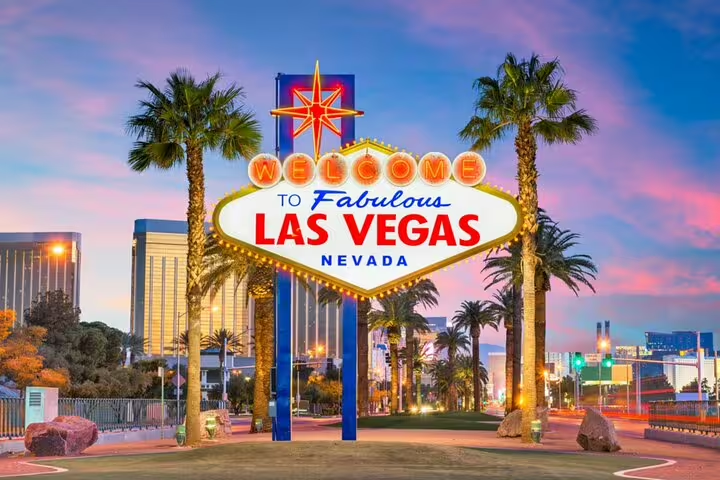
Las Vegas is a high-energy desert city built for spectacle, from neon-lit mega-resorts on the Strip to low-key local neighborhoods with vintage signs and late-night eats. Come for the headline entertainment, but stay for the surprising range, art installations, food halls, and quick escapes into red rock landscapes. This guide helps you plan smarter with logistics, curated experiences, and practical itineraries that make Las Vegas feel exciting, not overwhelming.
Las Vegas delivers a signature mix of glamour, sensory overload, and anything-is-possible spontaneity, all set against the Mojave Desert. It is ideal for travelers who want big nights, memorable meals, and easy-to-book experiences in a single, walkable corridor. Go now if you want a destination where you can scale your trip up or down, from budget-friendly people-watching to once-in-a-lifetime splurges.
Las Vegas sits in Clark County in southern Nevada, in the southwestern United States. The city is anchored by the Las Vegas Strip, while downtown forms a separate core with its own character, older casinos, and a more local, historic feel. Most travelers arrive via Harry Reid International Airport, then connect to the Strip, downtown, and nearby attractions by rideshare, taxi, shuttle, or rental car.
The Mojave Desert setting means sunshine is common, with strong seasonal swings in temperature. Spring and fall are popular for comfortable outdoor time, including pools, patios, and scenic drives, so crowds can be higher around weekends and major events. Summer is hot and best for indoor-heavy plans, while winter can feel calmer for sightseeing and shows, with cooler evenings that reward layering.
Currency is the US dollar, and cards are widely accepted across hotels, restaurants, and attractions. Budgeting is less about entry fees and more about pacing your splurges, think shows, dining, nightlife, and resort add-ons. Carry a small amount of cash for tips and quick purchases, and set a daily spending cap so Las Vegas stays fun rather than impulsive.
Las Vegas Strip Walk. The Strip is the city’s main stage, with themed resorts, fountains, and constant people-watching. It matters because it is the quickest way to understand the scale and theater of Las Vegas. Practical tip, go early evening to catch daylight photos, then stay for the neon glow once it gets dark.
Bellagio Fountains and Conservatory. This is classic Las Vegas, a free, cinematic moment that feels iconic even on a short trip. The conservatory adds a slower, more detailed counterpoint to the casino energy. Practical tip, visit once at night for the atmosphere, then return in the morning for calmer viewing and easier photos.
Fremont Street Experience. Downtown offers a more retro, gritty, and nostalgic side of the city, with bright signage and an open-air canopy vibe. It matters because it connects you to the older timeline of Las Vegas, before the modern mega-resort era. Practical tip, go with a plan for your return ride, since it is easy to stay later than intended.
High Roller Observation Wheel. A high viewpoint helps you map the city, see the Strip’s layout, and appreciate how the desert frames the skyline. It matters because it turns the chaos into a clear sense of place. Practical tip, time your ride around sunset for the best light and a smooth transition into night views.
Arts District and Local Galleries. This area adds texture beyond casinos, with murals, studios, and small venues that highlight local creativity. It matters because it balances the trip with a more neighborhood-based experience. Practical tip, pair it with a coffee stop and keep your schedule flexible so you can linger when you find a spot you like.
Resort Pool Day. Pools are a core part of the city’s daytime rhythm, especially when you want a reset between late nights and big dinners. It matters because it is one of the easiest ways to enjoy the desert climate without planning a full excursion. Practical tip, bring sunscreen and a cover-up, and arrive earlier for better seating options.
Live Show Night. Entertainment is a defining reason people choose Las Vegas, from headline residencies to comedy and production spectacles. It matters because a great show becomes the trip’s anchor memory. Practical tip, book ahead when possible, and choose your seats based on the experience you want, immersive proximity or a wider stage view.
Casino Basics Session. Even if you are not a big gambler, learning a few table rules can make the casino floor feel less intimidating. It matters because it turns curiosity into a controlled, budget-friendly experience. Practical tip, decide your limit before you start, and treat it like paid entertainment rather than a way to win.
Start with a relaxed morning on the Strip, focusing on a few landmark resorts so you do not burn energy too early. Midday, take a break with a long lunch and a short indoor attraction, then reset at your hotel before evening. Finish with the Bellagio fountains, a planned show, and a late stroll for night photography, keeping rideshare as a backup if your feet tap out.
Day 1, do a Strip-focused loop with an observation viewpoint to understand the layout, then lock in one major show at night. Day 2, explore downtown and Fremont Street, then spend time in the Arts District for murals and a more local pace. Day 3, reserve for a day trip or a pool day plus a standout dinner, which keeps your Las Vegas trip balanced between spectacle and recovery.
Shrimp cocktail. A classic throwback bite that feels crisp, briny, and bright with horseradish heat. Ordering tip, ask for it as a starter to share so you can sample more dishes later.
Steakhouse cuts. Think rich, charred edges, buttery interiors, and sides built for indulgence. Ordering tip, split a large cut and add one signature side, it often delivers the full experience without over-ordering.
Buffet-style grazing. A Las Vegas tradition that rewards curiosity, from comfort foods to global flavors. Ordering tip, pace yourself and do a full lap before committing, it helps you avoid filling up too early.
Tacos and late-night street-style bites. Savory, spicy, and satisfying after shows or nightlife, often with bright salsas and citrus. Ordering tip, start with two tacos, then add more if you are still hungry, portions vary widely.
Craft cocktails. Many bars lean into theatrical presentation, balanced classics, and spirit-forward options. Ordering tip, tell the bartender your preferred base spirit and sweetness level, you will usually get a better match than ordering blindly.
Global food hall plates. Great for groups, because everyone can choose their own cuisine without splitting up. Ordering tip, pick one adventurous item plus one safe favorite, it keeps the meal fun and reliable.
The Strip is walkable in sections, but distances are longer than they look, and pedestrian bridges add time. Rideshare and taxis are practical for hopping between zones, especially between the Strip, downtown, and off-Strip neighborhoods. If you plan day trips, a rental car can simplify timing, but parking and traffic patterns can affect your schedule, so build buffer time and stay hydrated in the desert climate.
Red Rock Canyon National Conservation Area. Roughly 30 minutes by car, depending on where you start. Go for dramatic sandstone scenery, scenic drives, and a change of pace that still feels close to the city.
Hoover Dam. About 45 minutes by car. Visit to see a landmark feat of engineering and to appreciate how the region manages water and power in a desert environment.
Lake Mead National Recreation Area. Around 45 minutes to an hour by car. It is a strong option for viewpoints, shoreline stops, and a nature reset after the intensity of Las Vegas.
Valley of Fire State Park. About 1 hour by car. Go for vivid red rock formations and a landscape that looks especially striking in early and late light.
Grand Canyon (West Rim or South Rim). Several hours by road, with the South Rim typically farther. Choose it for a bucket-list scale viewpoint, but plan an early start and a long day, or consider an overnight.
Most travelers use rideshare, taxis, shuttles, or a rental car depending on budget and plans. If you are staying primarily on the Strip, rideshare or taxi is often the simplest for door-to-door convenience.
One day covers the headline sights and a show, but 2 to 3 days lets you add downtown, the Arts District, and a slower pace. If you want a day trip like Red Rock Canyon, add another day.
Yes, but distances are longer than they appear, and pedestrian bridges add extra time. Plan in clusters, and use rideshare for longer jumps to save energy.
If you want scenery and fresh air, schedule a day trip on your second or third day, after you have seen the core highlights. This spacing keeps your trip balanced between late nights and early starts.
Pack breathable layers for daytime heat and cooler evenings, plus comfortable walking shoes. Sunscreen and a reusable water bottle are practical essentials for both city walks and outdoor excursions.