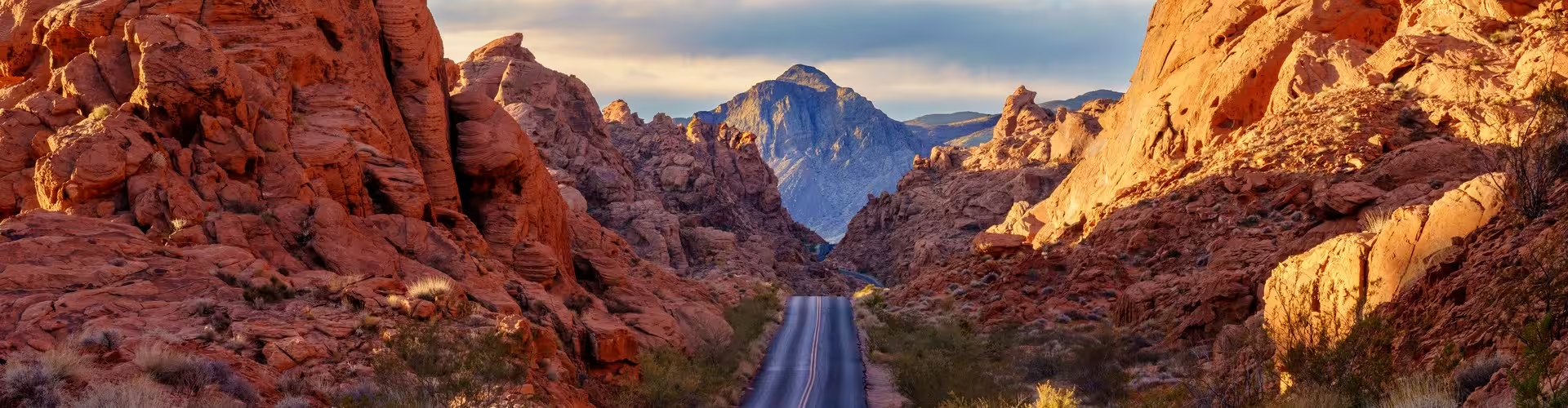
Nevada is a state of dramatic contrasts, where neon-lit entertainment corridors meet silent desert basins, alpine lakes, and red rock canyons. It is a place to design your own pace, from high-energy nights to wide-open landscapes that feel almost otherworldly. This guide focuses on practical choices, what to prioritize, how to move around, and how to match experiences to your travel style.
Nevada delivers a signature mix of spectacle and space, with world-famous resort cities, historic mining towns, and some of the most striking public lands in the American West. Go now if you want maximum flexibility, you can pair iconic attractions with road trip freedom and big-sky scenery in a single itinerary. The vibe shifts fast by region, so planning around distances and climate is the key to a smoother trip.
Nevada sits in the western United States of America, bordered by California and Arizona, with Utah and Idaho to the east and Oregon to the north. The main gateways are Las Vegas and Reno, which function as the easiest flight-and-drive hubs for most travelers. Overland routes often connect through Southern California, the Grand Canyon region, and Northern California, making the state a natural stop on larger Southwest itineraries.
Seasonality in Nevada is shaped by elevation and desert climate. Southern desert areas tend to feel hottest in summer, while higher elevations and northern regions can be significantly cooler and see winter conditions. Shoulder seasons often make outdoor sightseeing more comfortable, and major event weekends can increase demand for hotels and transportation, especially in resort areas.
The currency is the US dollar, and cards are widely accepted across cities and major tourist zones. Keep some cash for tips, smaller purchases, and remote stops on road trips where connectivity can be inconsistent. Budget expectations vary widely, resort corridors can be premium-priced, while small towns and self-drive nature itineraries can be more controllable if you plan fuel, parking, and meals strategically.
Explore Las Vegas beyond the Strip
Las Vegas is more than headline shows and casino floors, it is also a city of neighborhoods, murals, and locally loved dining. Spending time off the main boulevard adds texture and can balance a high-energy itinerary. Practical tip, plan one daytime block away from the brightest corridors so your evenings still feel special.
Drive through Red Rock Canyon scenery
The red sandstone landscape near Las Vegas delivers classic desert color, layered rock formations, and wide vistas that contrast sharply with the city’s intensity. It is an easy way to add an outdoor anchor to a trip that might otherwise be mostly indoors. Practical tip, go early for softer light and a calmer feel, and bring water even for short stops.
Experience Hoover Dam as an engineering landmark
Hoover Dam is a defining piece of American infrastructure and a powerful viewpoint over the Colorado River corridor. It adds historical context to the region’s growth and water story, which is central to the modern Southwest. Practical tip, combine it with a scenic drive, and allow extra time for photo stops and viewpoints.
See the otherworldly colors of Valley of Fire
This landscape is known for vivid rock tones and sweeping desert panoramas that feel cinematic. It is ideal for travelers who want dramatic scenery without committing to a multi-day wilderness plan. Practical tip, pack sun protection and plan your route so you are not rushing between viewpoints.
Visit Lake Tahoe for alpine water and mountain air
Lake Tahoe brings a completely different side of Nevada, with crisp air, forested slopes, and clear water that supports scenic drives and lakeside downtime. It is a strong counterpoint to desert heat and urban nightlife. Practical tip, check road conditions in colder months and build in time for shoreline stops.
Use Reno as a gateway to Northern Nevada
Reno blends entertainment with quick access to outdoor recreation, making it a practical base for short trips and longer loops. It is also a useful hub for travelers who prefer a smaller city feel compared to Las Vegas. Practical tip, use Reno for early starts into nearby nature areas, then return for dinner and nightlife.
Step into history in a classic mining town
Historic towns across the state reflect the mining booms that shaped settlement patterns in the Great Basin. Visiting one adds story and a sense of place, especially if you enjoy heritage architecture and small museums. Practical tip, pair a town stop with a scenic highway segment so the journey feels like part of the attraction.
Chase dark skies and open-road solitude
Large stretches of Nevada are defined by distance, silence, and big horizons, which can be the highlight for road trippers. The experience is less about a single landmark and more about the feeling of space and scale. Practical tip, top up fuel earlier than you think you need to, and download maps for areas with limited signal.
Start with a morning city stroll and a relaxed breakfast, then shift into a short scenic drive for desert views and photos. Return for an afternoon break, then dedicate your evening to the classic entertainment core, where you can choose a show, a signature meal, or a viewpoint experience. If time allows, finish with a late-night walk through the brightest district to absorb the energy before calling it a night.
Day one focuses on an urban deep dive, split your time between iconic corridors and a neighborhood with local dining so you get both spectacle and authenticity. Day two is for landscapes, plan a longer scenic loop that includes multiple viewpoints and a slower lunch break, then return for an easy evening. Day three can pivot north to alpine scenery or remain in the desert for a second outdoor area, depending on season and your preferred pace.
Steakhouse classics
Expect rich, straightforward flavors and generous portions, often built around grilled beef and traditional sides. Ordering tip, ask about house specialties and portion sizes so you can plan for sharing.
Buffet-style dining
Buffets are part of the modern travel culture in resort areas, designed for variety and convenience. Ordering tip, go earlier in the meal window for the freshest selection and a less rushed experience.
Basque-style comfort food
In parts of northern Nevada, Basque heritage shows up in hearty, communal-style meals that feel homey and filling. Ordering tip, ask what comes as part of the set meal so you understand the full spread before adding extras.
Southwest-inspired flavors
You will find bold seasoning, chiles, and grilled meats that match the region’s desert identity. Ordering tip, if you are sensitive to heat, ask for a mild option or sauces on the side.
Food hall grazing
Food halls make it easy for groups to mix preferences, from quick bites to sit-down counters. Ordering tip, do one lap first, then order, it helps you avoid committing too early.
Craft cocktails and lounge culture
Cocktail programs range from classic to theatrical, depending on venue and city. Ordering tip, describe your preferred spirit and sweetness level, bartenders can guide you to a balanced option.
Nevada rewards travelers who plan around distance. In major cities, walking works best within concentrated districts, while ride-sharing helps bridge longer gaps, especially at night or in hot weather. For anything beyond the city core, a rental car is often the most practical tool, particularly for scenic drives, day trips, and smaller towns.
Build in buffer time for parking, traffic peaks, and long straight highway segments that can feel deceptively quick on a map. For accessibility, prioritize attractions with clear paved paths when available, and keep water and sun protection on hand for outdoor stops. Safety is mostly about preparation, stay aware of heat exposure, keep your phone charged, and do not underestimate remote stretches with limited services.
Hoover Dam
Travel time varies by starting point, but it is commonly approached from the Las Vegas area. The reason to go is the combination of engineering history and dramatic river views.
Valley of Fire
Often visited as a drive-and-hike style outing from Southern Nevada. The reason to go is the intense desert color and photogenic rock scenery.
Red Rock Canyon area
A convenient nature escape near Las Vegas for travelers short on time. The reason to go is a high-impact scenic experience without a long drive.
Lake Tahoe
Commonly approached from the Reno area as a full-day scenic outing. The reason to go is alpine lake views and a cooler mountain atmosphere.
Q1: What is the easiest way to plan a first trip?
Choose one main base, then add one or two day trips rather than trying to cover the whole state. Build your schedule around drive times and the climate of the region you pick.
Q2: Do I need a rental car?
If you plan to explore beyond a city core, a rental car is usually the most practical option. For a city-focused itinerary, walking and ride-sharing can cover many needs.
Q3: When is the best time for outdoor sightseeing in Nevada?
Outdoor comfort depends on elevation and season, with desert areas often feeling hottest in summer. Many travelers prefer milder periods for longer walks and scenic drives in Nevada.
Q4: How should I budget for a Nevada trip?
Costs can vary widely between resort zones and smaller towns. Keep extra room for transportation, tips, and parking, and use cash as a backup for remote stops.
Q5: Is it realistic to see both desert scenery and Lake Tahoe in one trip?
Yes, but it works best with at least a few days so you are not rushing between regions. Plan it as a north and south split, and expect big temperature differences across Nevada.