Miami is a city of sunlit beaches, Art Deco streetscapes, and a distinctly Caribbean Latin American pulse that shows up in everything from café culture to nightlife. It is a place where you can pair a museum morning with an ocean swim, then finish the day with live music and late dining. This guide helps you plan smarter by focusing on neighborhoods, logistics, and experiences that deliver the signature energy without wasting time.
Miami feels like a beach escape and a global city at the same time, with coastal scenery, design-forward hotels, and a food scene shaped by Cuban, Haitian, and wider Latin American influences. Go now if you want an easy-to-build itinerary that mixes outdoor time with culture, since many highlights fit naturally into a long weekend. The signature vibe is glamorous but laid-back, with mornings that start slow and evenings that can run late.
Miami sits on the southeastern tip of Florida, facing the Atlantic Ocean and close to the wetlands of the Everglades. It is part of a larger metro area that includes Miami Beach across Biscayne Bay, plus nearby cities that connect by causeways and major highways. For air access, the main gateway is Miami International Airport, and many travelers also use Fort Lauderdale Hollywood International Airport for additional flight options.
Expect a tropical rhythm with warm temperatures most of the year and a noticeable shift between drier, milder months and hotter, more humid months. Cooler periods tend to feel more comfortable for long walks in neighborhoods like South Beach and Wynwood, and they often draw larger crowds. Hotter months can be great for beach time and water activities, but you will want to plan midday breaks and prioritize shade, hydration, and indoor attractions.
The local currency is the US dollar, and cards are widely used across hotels, restaurants, and attractions. Budget levels can swing quickly depending on where you stay, since beachfront areas and design districts often cost more than inland neighborhoods. Keep a small amount of cash for tips and small purchases, and check parking costs in advance if you plan to rent a car, since they can add up in busy areas.
1) South Beach and the Art Deco District
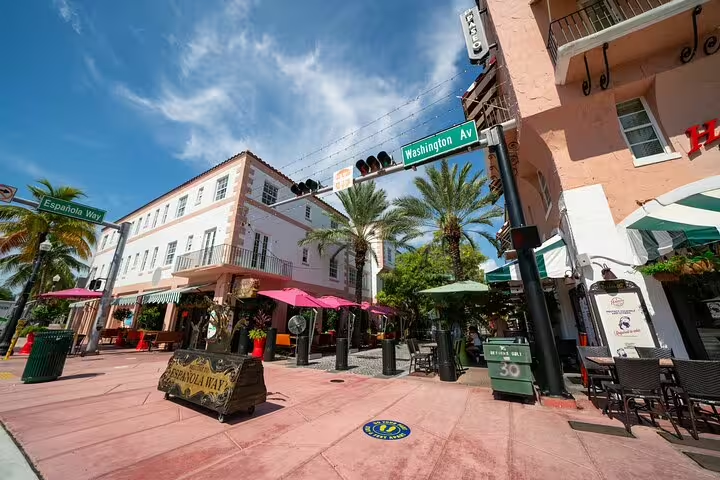
South Beach is the postcard version of Miami, with wide sand, turquoise water, and a people-watching scene that is part of the experience. The nearby Art Deco District adds pastel buildings and classic architecture that makes even a simple stroll feel cinematic. Practical tip, go early for softer light and easier parking, then return later for the nightlife energy.
2) Wynwood Walls and the Wynwood Arts District
Wynwood is where street art becomes a full neighborhood identity, with murals, galleries, and creative storefronts that change over time. It matters because it shows a different side of the city, more local, more experimental, and very photo-friendly. Practical tip, visit in daylight for the best mural viewing, then stay for a casual dinner when the area becomes more social.
3) Little Havana on Calle Ocho
Little Havana brings the cultural heartbeat of Cuban Miami into focus through coffee windows, cigar traditions, and domino games in local parks. It matters because it connects the city to its immigrant history and living community culture, not just its beaches. Practical tip, slow down here, order a café cubano, and build in time to browse small shops instead of rushing through.
4) Pérez Art Museum Miami (PAMM)
PAMM is a modern art anchor with a waterfront setting that pairs culture with breezy views. It matters because it is an easy way to add depth to a beach-heavy itinerary, especially if you want a break from midday heat. Practical tip, combine it with nearby stops on Museum Park for an efficient half-day.
5) Vizcaya Museum and Gardens
Vizcaya delivers a different atmosphere, historic architecture, formal gardens, and a sense of old-world design adapted to subtropical landscapes. It matters because it is one of the city’s most distinctive heritage sites, and it photographs beautifully in almost any season. Practical tip, wear comfortable shoes for garden paths and aim for earlier hours to enjoy calmer grounds.
6) Bayside and Biscayne Bay views
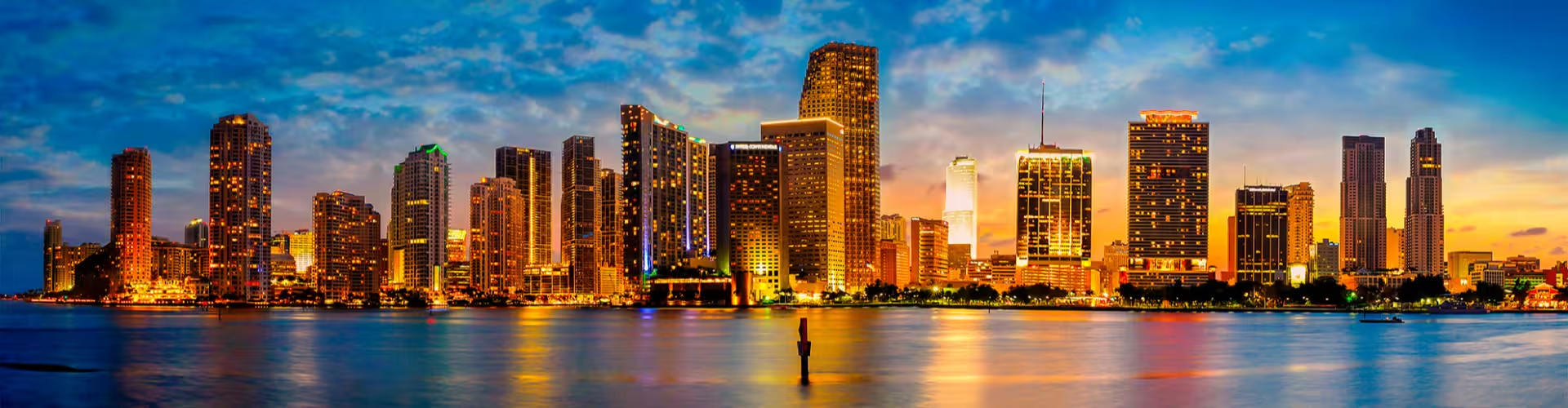
The bayfront is where you feel the geography of Miami, water everywhere, cruise ships, and skyline angles that look best in golden hour. It matters because it helps you understand how the city connects to the ocean and to Miami Beach across the water. Practical tip, time a waterfront walk for late afternoon, then transition into dinner nearby.
7) Design District and modern shopping streets
The Design District is polished and style-led, with architecture, window displays, and public art that make it more than a shopping stop. It matters if you enjoy design, fashion, and a curated urban feel that contrasts with the beach. Practical tip, pair it with Wynwood on the same day since they are relatively close and create a strong culture plus style combo.
8) Everglades airboat or wildlife experience
The Everglades are a defining Florida landscape, and visiting from Miami adds a nature component that balances the city’s urban pace. It matters because it is one of the most unique ecosystems in the United States, and it changes how you think about South Florida. Practical tip, bring sun protection and water, and consider morning tours for cooler conditions.
Start with sunrise or early morning on South Beach for a relaxed walk and photos before crowds build. Move to the Art Deco streets for architecture spotting, then shift inland for lunch in Little Havana and a slow café stop. In the afternoon, choose a museum break at PAMM or a bayfront stroll, then finish with an evening in Wynwood for murals, casual dining, and a lively nightcap.
Day one, focus on Miami Beach, South Beach, Art Deco, and a sunset bay view to set the tone. Day two, go cultural and neighborhood-rich with Little Havana, the Design District, and Wynwood, building in time for galleries and unplanned discoveries. Day three, add Vizcaya for heritage and gardens, then consider a half-day nature escape toward the Everglades to experience the region beyond the coastline.
Café cubano, intense espresso sweetened with sugar, often served in small cups that encourage quick stops and conversation. Ordering tip, ask for it at a ventanita style coffee window for a more local feel.
Medianoche sandwich, a pressed sandwich with a slightly sweet bread and savory fillings that feel perfect for late lunch or after a night out. Ordering tip, if you are hungry, pair it with a simple side and share if you are sampling multiple dishes.
Cuban sandwich, crisp, salty, and satisfying, with a balance of pork, ham, and pickles that makes it a classic. Ordering tip, request it pressed so the exterior comes out toasted and the flavors meld.
Stone crab, a celebrated Florida seafood choice when available, known for sweet meat and a clean finish. Ordering tip, ask what is in season and what portion sizes are offered so you can match appetite and budget.
Ceviche, bright and citrusy, often featuring fresh seafood with a refreshing bite that suits warm weather. Ordering tip, ask about spice level and whether it comes with plantain chips or a side for texture.
Key lime pie, tart, creamy, and cooling, with a flavor that fits the coastal setting. Ordering tip, choose a slice after a salty meal for the best contrast.
Miami is easiest when you plan by neighborhood, since distances can be longer than they look on a map and traffic can be heavy at peak times. Walking works well within compact areas like South Beach, Wynwood, and parts of Downtown, but moving between them often calls for ride-sharing, taxis, or a rental car depending on your schedule. Public transit can help for certain corridors, but travelers usually rely on a mix of options to stay flexible. For safety and comfort, keep valuables secure in crowded areas, stay aware at night, and prioritize well-lit streets when walking after dark.
Everglades National Park, typically reached in about 45 to 90 minutes depending on your starting point and route. Primary reason to visit, wildlife and wetlands scenery that feels worlds away from the city.
Key Biscayne, roughly 20 to 40 minutes from central areas. Primary reason to visit, calmer beaches and a more residential, nature-forward coastal atmosphere.
Fort Lauderdale, around 30 to 60 minutes. Primary reason to visit, canals, beaches, and a different pace that still feels very South Florida.
Florida Keys gateway towns, often about 1 to 2 hours to reach the first major stops. Primary reason to visit, ocean views and the start of the iconic overseas drive experience.
What is the easiest area to stay in for a first trip?
South Beach is convenient if you want beach access and a walkable scene. Downtown areas can work well if your focus is museums, bay views, and shorter hops to multiple neighborhoods.
How many days do I need to see the main highlights?
One day covers a fast-paced mix of South Beach, Little Havana, and Wynwood. Two to three days lets you add Vizcaya and a nature outing toward the Everglades without rushing.
Do I need a car in Miami?
You can do a lot with walking plus ride-sharing if you keep your plans neighborhood-based. A car helps for day trips and flexibility, but parking and traffic can add time and cost in Miami.
When is the best time of day for sightseeing?
Early morning is ideal for beaches, Art Deco walks, and cooler temperatures. Use midday for museums or long lunches, then return outdoors for late afternoon bay views.
What should I pack for a long weekend?
Bring breathable clothing, comfortable walking shoes, and sun protection for outdoor time. Add a light layer for air-conditioned interiors and a compact rain option for changing weather.