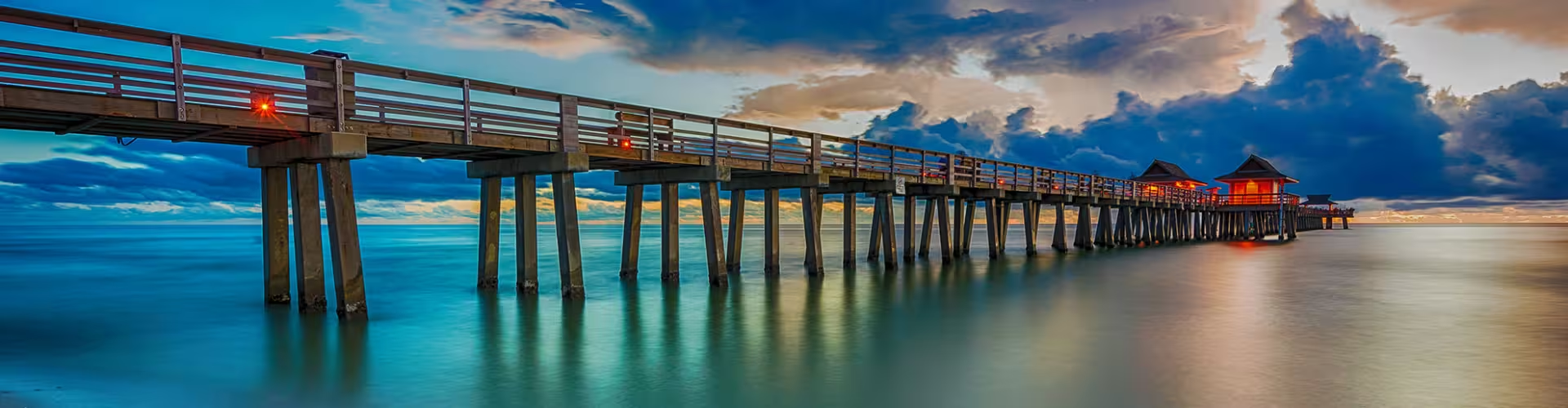
Florida is a choose your own adventure kind of place, shaped by Atlantic beaches, Gulf Coast sunsets, and a long arc of cultural influences from the American South, the Caribbean, and Latin America. Come for theme parks and iconic shorelines, stay for wildlife-rich wetlands, art-forward neighborhoods, and a food scene that leans bright, citrusy, and seafood-driven. This guide helps you plan smarter with practical logistics, curated experiences, and realistic ways to connect the dots across Florida without overpacking your schedule.
Florida blends high-energy cities with laid-back coastal towns, where a single trip can include museums, mangroves, and a late-night Cuban sandwich. The signature vibe is sun-soaked and outdoorsy, with plenty of air-conditioned escapes when you need a break from the heat. Go now if you want flexible trip styles, from family-friendly attractions to nature-first itineraries that prioritize water, wildlife, and wide-open skies.
Florida sits in the southeastern United States of America, bordered by Alabama and Georgia, with coastlines on both the Atlantic Ocean and the Gulf of Mexico. For most travelers, the easiest plan is to pick a primary hub city and build day trips or short overnights around it. Major gateway airports and hubs include Miami International Airport, Orlando International Airport, Tampa International Airport, Fort Lauderdale Hollywood International Airport, and Jacksonville International Airport.
Florida travel often comes down to balancing weather and crowds. Winter and early spring are typically the most comfortable for outdoor exploring, which can also mean higher demand in popular beach areas and around major attractions. Summer brings heat and humidity, plus frequent afternoon storms, but it can also be a good time to plan water-based activities and indoor cultural stops in between.
The local currency is the US Dollar, and cards are widely accepted in cities, beach towns, and major attractions. Cash can still be useful for small purchases, tips, and some local markets, especially if you are hopping between neighborhoods in a single day. To manage costs, anchor your trip with a few must-do paid experiences, then balance them with free or low-cost highlights like beaches, scenic drives, parks, and self-guided neighborhood walks.
Beach day on the Atlantic or Gulf Coast
The coastline is one of the defining reasons to visit Florida, and the two sides can feel surprisingly different in light, water color, and sunset timing. A beach day is not just lounging, it is also a chance to see coastal ecosystems and local culture in action. Practical tip, go early for easier parking and calmer conditions, then plan shade breaks to stay comfortable.
Everglades style nature experience
Wetlands are part of Florida identity, and the Everglades region is a powerful reminder that this is a living landscape, not just a resort backdrop. Wildlife viewing, boardwalks, and guided outings can add depth to a trip that might otherwise stay on the coast. Practical tip, bring sun protection and insect repellent, and prioritize responsible operators that respect wildlife distance.
Theme park day in the Orlando area
Central Florida is a global center for theme parks, and even a single day can deliver high-impact fun if you plan strategically. The experience is most enjoyable when you treat it like a timed itinerary rather than an open-ended wander. Practical tip, decide your top rides or lands in advance and arrive early to reduce time in lines.
Neighborhood exploration in Miami
Miami layers beaches with design, nightlife, and a strong Latin American influence that shows up in food, music, and street life. Exploring neighborhoods gives you a better feel for the city than only staying near the sand. Practical tip, plan your day by area to reduce driving, and mix one cultural stop with one outdoor stop to pace the heat.
Art and museums in major cities
Across Florida, museums and galleries offer an air-conditioned way to understand local history, contemporary creativity, and the state’s global connections. This is also a smart move when the weather shifts or midday heat peaks. Practical tip, build museum time into the middle of your day, then return outdoors later for golden hour.
Water activities, kayaking, boating, or snorkeling
Water is the main character in Florida, and getting on it changes how you see the state. Calm bays, springs, and coastal areas can all support beginner-friendly outings depending on conditions. Practical tip, go in the morning for smoother water and better visibility, and always check local guidance for safety.
Historic towns and old districts
Beyond the modern skyline, Florida has historic streetscapes that hint at Spanish-era roots, maritime trade, and early American settlement patterns. Walking these areas slows the trip down in a good way, and it pairs well with cafés and small museums. Practical tip, wear comfortable shoes and plan a self-guided loop that ends near a meal stop.
Sunset on the Gulf Coast
Gulf Coast sunsets are a signature experience, with wide horizons and a calmer evening rhythm. It is a simple moment that often becomes the most memorable photo of the trip. Practical tip, arrive early to claim a good spot, then stay a little after the sun dips for softer colors.
Start with an early outdoor block, such as a beach walk or a waterfront park, while temperatures are more comfortable. Move into a mid-morning cultural stop, then take a long lunch break that leans local, seafood, Cuban, or citrus-forward flavors depending on where you are. In the afternoon, choose one headline activity, such as a theme park segment, a museum cluster, or a boat-based outing, then finish with a sunset viewpoint and an easy dinner close to where you are staying.
Day 1, focus on a single hub city and explore by neighborhood, mixing one indoor cultural stop with one outdoor waterfront stop to manage heat and pacing. Day 2, dedicate time to a nature-forward experience such as wetlands, springs, or a coastal preserve, then return to the city for a relaxed evening meal. Day 3, add a short road trip to a different coastline or a historic town, and keep your schedule light enough to enjoy the drive, spontaneous stops, and a long golden-hour walk.
Cuban sandwich, savory, pressed, and satisfying, with a balance of pork, ham, and tangy pickles. Ordering tip, ask for it pressed hot so the bread stays crisp.
Key lime pie, bright, tart, and creamy, often finishing with a graham-style crust. Ordering tip, if you like sharper citrus, choose a slice that leans more tart than sweet.
Stone crab, sweet and delicate, often served chilled with a mustard-style sauce. Ordering tip, if you see seasonal notes on a menu, follow them and ask what is freshest.
Grouper sandwich, mild and flaky, commonly served grilled or fried. Ordering tip, choose grilled if you want a lighter meal before more walking.
Fresh citrus, juicy and aromatic, a simple taste that matches the state’s sunny identity. Ordering tip, try fresh juice earlier in the day as an easy breakfast add-on.
Seafood boil, communal and messy in the best way, with spice, butter, and shellfish flavors. Ordering tip, ask about spice levels if you prefer mild heat.
Florida is easiest to navigate with a mix of strategies, because distances can be larger than they look on a map. In dense areas, walking works well for compact neighborhoods, but heat and sudden storms can make short ride-shares feel worth it. For multi-city trips, renting a car is often the most flexible option, especially if you want beaches, springs, or nature areas that are not well connected by transit.
In cities, plan your day by zones to reduce backtracking, and build in buffer time for traffic. If you are driving, keep water in the car and use sun protection, because even quick stops can add up. Accessibility varies by site, so it helps to confirm parking distance, walking surfaces, and shade options if mobility or heat sensitivity is a concern.
Key West and the Florida Keys, a classic road trip feel with ocean views and a distinct island rhythm. Travel time varies widely depending on your starting point, so it works best as a long day from South Florida or an overnight. Primary reason to visit, iconic scenery and a change of pace.
Everglades region, an easy add-on from South Florida that shifts the trip into wildlife and wetlands. Travel time depends on your access point, so choose one area and commit rather than trying to cover everything. Primary reason to visit, nature immersion and ecosystem perspective.
Gulf Coast beaches, a different coastline mood with sunset-forward evenings. Travel time depends on where you are based, and it can be a simple day trip from Tampa Bay area hubs. Primary reason to visit, wide horizons and calmer water vibes.
Space Coast, a compelling option if you are interested in space history and coastal scenery. Travel time depends on your base, and it pairs well with a beach stop. Primary reason to visit, a blend of science culture and shoreline.
Natural springs in Central Florida, a refreshing alternative to the ocean with clear water and a slower pace. Travel time varies by spring and starting city, so pick one cluster and arrive early. Primary reason to visit, swimming and paddling in clear freshwater settings.
Q1. What is the easiest way to plan a multi-city trip in Florida?
Pick one main hub city and add day trips or one overnight rather than switching hotels every night. Group activities by area to reduce driving and keep your schedule realistic.
Q2. When is the best time of day for outdoor activities?
Morning is usually the most comfortable for beaches, wetlands, and walking-heavy sightseeing. Save indoor attractions for midday, then return outside for late afternoon and sunset.
Q3. Do I need a car to get around Florida?
In dense neighborhoods, you can combine walking with ride-sharing for a smooth trip. For springs, beaches outside city centers, and flexible day trips, a car is often the easiest option in Florida.
Q4. What should I pack for a Florida trip?
Bring sun protection, breathable clothing, and a light rain layer for sudden showers. Comfortable shoes matter, because even beach-forward trips often include long walks.
Q5. How can I balance theme parks with nature and culture?
Use a theme park as one anchor day, then plan a contrasting day around museums, neighborhoods, or wetlands. This pacing keeps the trip varied and helps you experience more of Florida beyond the headline attractions.