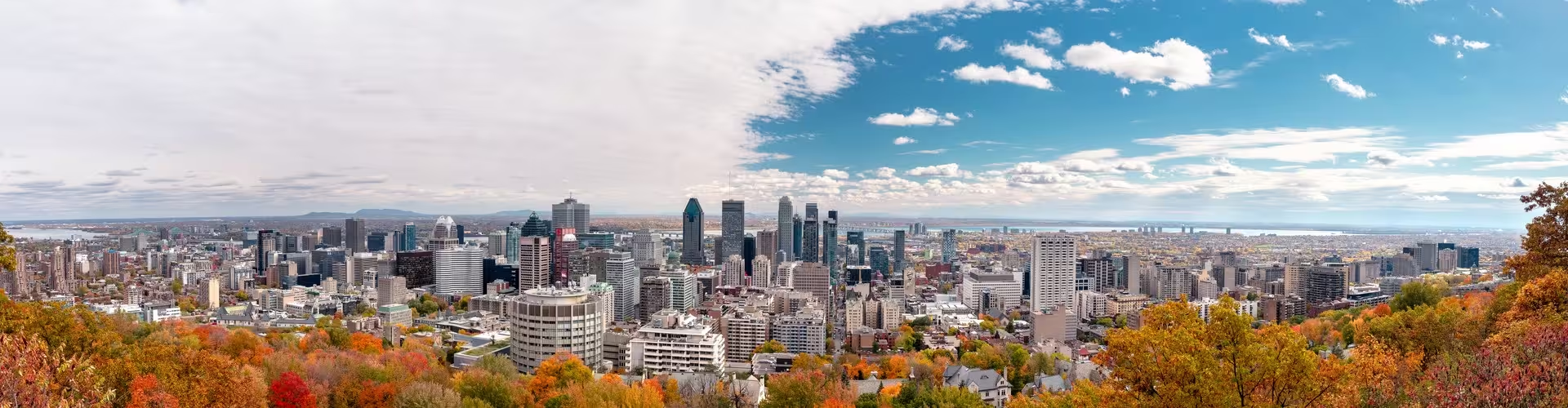
Panoramic autumn skyline of the Urban Agglomeration of Montreal, Quebec, with vibrant fall foliage overlooking downtown and the St. Lawrence River

Urban agglomeration of Montreal

    logoBlack

    Build your dream
    experience

    dreamimg

    More to know about Urban agglomeration of Montreal


    Urban agglomeration of Montreal Travel Guide

    Urban agglomeration of Montreal is the beating heart of Quebec’s biggest city region, where French and English live side by side in daily life, food, and culture. It is a destination built for travelers who want walkable neighborhoods, iconic architecture, and a calendar that shifts with the seasons. Use this guide to plan smarter routes, choose the right time to visit, and prioritize experiences that match your travel style.


    Snapshot

    The signature vibe of the Urban agglomeration of Montreal is creative and convivial, with café culture, public art, and a street life that feels European in pace but unmistakably Canadian in energy. It is especially rewarding right now if you want a destination that works for both quick city breaks and longer, neighborhood-focused trips. Expect a mix of historic stone streets, modern design, and a food scene that turns local specialties into must-try rituals.


    🗺️ Geography and Logistics

    📍 Orientation: Where is it within Quebec and Canada?

    The Urban agglomeration of Montreal sits in southwestern Quebec and anchors the province’s main urban corridor. It functions as a major gateway for exploring Quebec’s culture, with strong transport links to other Canadian cities and nearby regions. For most travelers, the easiest arrival is via Montreal’s main airport and intercity rail or bus hubs that connect downtown with the wider province.

    🕒 When to Go: Seasonal breakdown

    Montreal’s seasons shape how the city feels and how you should plan your days. Warmer months lean into long walks, patios, and festivals, while shoulder seasons are often ideal for museum time, food-focused itineraries, and easier restaurant reservations. Winter travel can be deeply atmospheric, with a cozy indoor culture and brisk outdoor moments, but it rewards travelers who pack for cold conditions and plan transit-friendly routes.

    💰 Budget & Currency: Practical money tips

    Canada uses the Canadian dollar, and card payments are widely accepted across the Urban agglomeration of Montreal. It is still smart to carry a small amount of cash for small purchases and tips, especially in casual eateries and markets. To keep spending predictable, set a daily budget for food and transit, then reserve extra room for neighborhood splurges like specialty coffee, pastries, or a standout dinner.


    ⭐ Essential Things to Do

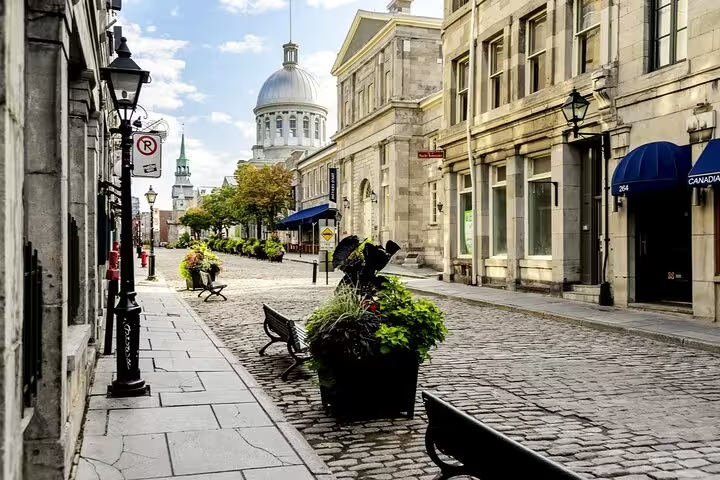
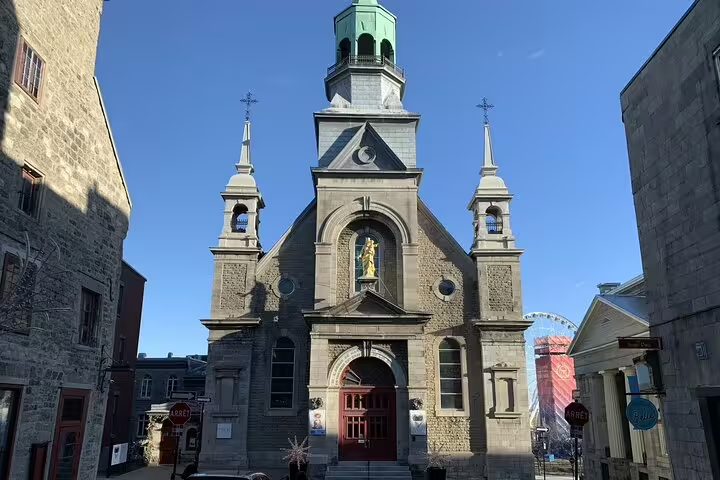
    Old Montreal (Vieux-Montréal). This historic quarter delivers the city’s most cinematic streetscapes, with stone buildings and a waterfront atmosphere that hints at Montreal’s trading and maritime past. It matters because it anchors the story of the city, and it is one of the easiest places to feel the layered French and British influences. Practical tip, go early in the day for calmer streets and better photos, then return after dark for a more dramatic mood.

    Mount Royal (Parc du Mont-Royal). The mountain park is a defining element of Montreal’s identity and a reliable reset from the urban pace. It matters because it offers a sense of scale, you can understand the city’s layout and neighborhoods from above. Practical tip, bring comfortable shoes and a light layer, conditions can change quickly, especially outside peak summer.

    Plateau-Mont-Royal neighborhood walk. The Plateau is known for its residential charm, creative energy, and everyday Montréalais life. It matters because it is where you can experience the city beyond the headline sights, with local shops and an easy café rhythm. Practical tip, choose a few anchor stops, then let the side streets guide you, this is a neighborhood that rewards unplanned wandering.

    Mile End food and culture crawl. Mile End is a compact area where bakeries, bagels, and independent boutiques create a distinctly Montreal mix. It matters because it showcases the city’s immigrant influences and its reputation for casual, high-quality food. Practical tip, go hungry and pace yourself, it is easy to over-order when every counter looks tempting.

    Jean-Talon Market (Marché Jean-Talon). This market experience connects you to Quebec’s produce, artisanal goods, and everyday shopping culture. It matters because it is both a local routine and a visitor-friendly way to taste the region’s ingredients. Practical tip, arrive earlier for the best selection, and bring a tote bag so you can pick up snacks for later.

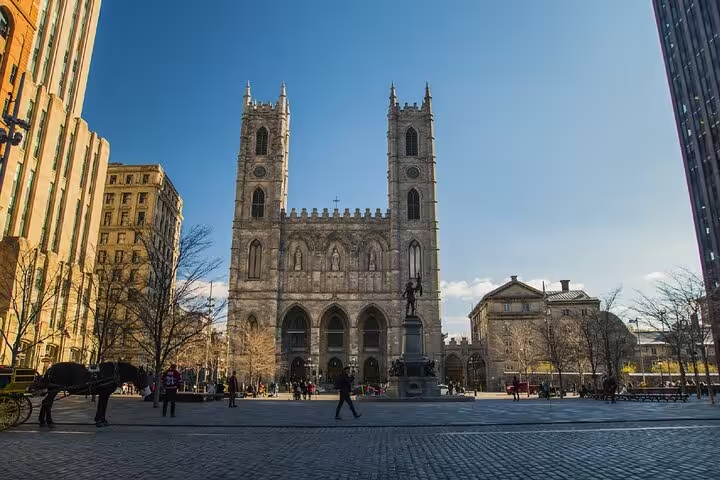
    Notre-Dame Basilica area. The basilica zone is one of the most recognizable parts of the city’s heritage landscape. It matters because it highlights Montreal’s religious and architectural history, and it pairs naturally with a broader Old Montreal route. Practical tip, plan this around the rest of your Old Montreal time so you do not backtrack on foot.

    Saint-Laurent Boulevard (Boulevard Saint-Laurent). Often discussed as a cultural seam in the city, this corridor is packed with dining, nightlife, and street-level energy. It matters because it is a practical way to sample different cuisines and scenes within a short distance. Practical tip, pick a section to focus on, then use public transit for longer hops if you are covering multiple neighborhoods.

    Museum and gallery time. Montreal’s cultural institutions are a strong choice when weather shifts or you want a slower day. It matters because it adds depth to your visit, balancing food and neighborhood walks with art, design, and history. Practical tip, group indoor activities together on the same day so you can keep outdoor time flexible.


    🚶 Curated Itineraries

    ⏰ The Highlights (1 Day)

    Start your day in Old Montreal for the historic streets and waterfront feel, then continue toward the basilica area for a concentrated dose of architecture. Break for a classic Montreal lunch, then head to Mount Royal for an afternoon viewpoint and a park walk. Finish the day with an evening corridor stroll along Saint-Laurent or in the Plateau, choosing a relaxed dinner spot and a dessert stop to close out the route.

    ⏰ Deep Dive (2 to 3 Days)

    Day 1 focuses on Old Montreal, the waterfront atmosphere, and a museum or gallery block to ground the city’s history and culture. Day 2 shifts to neighborhood life, pair a Jean-Talon Market morning with a Mile End crawl, then spend the afternoon in the Plateau for a slower pace and local shopping. If you have Day 3, build it around flexibility, revisit your favorite area for deeper exploration, add a longer Mount Royal walk, and reserve time for a standout dinner that reflects Montreal’s food identity.


    🍽️ Flavors of Urban agglomeration of Montreal

    Poutine. Crispy fries, rich gravy, and cheese curds create a salty, comforting classic that is strongly tied to Quebec. Ordering tip, try it as a shared snack first, then decide if you want a full portion later.

    Montreal-style bagels. Typically smaller, denser, and often slightly sweet, these bagels are a local point of pride. Ordering tip, buy a few varieties and keep them for breakfast, they travel well for a same-day snack.

    Smoked meat sandwich. A deli staple with peppery, savory meat and a satisfying bite, it is one of the city’s most iconic comfort foods. Ordering tip, ask for your preferred cut style if options are offered, then add a simple side so the sandwich stays the focus.

    Tourtière. This traditional meat pie leans warm and spiced, especially appealing in cooler weather. Ordering tip, pair it with something bright or acidic if available, it balances the richness.

    Maple-forward treats. Maple flavors show up in desserts and candies, offering a sweet snapshot of Quebec’s culinary identity. Ordering tip, pick smaller assortments so you can sample more than one style without overcommitting.

    Craft beer and local café culture. Montreal is known for relaxed places to linger, whether you are sipping coffee or trying local brews. Ordering tip, choose a flight or a smaller pour if available, it is a simple way to explore without rushing.


    🚌 Navigation & Transport

    Many of the most rewarding areas in the Urban agglomeration of Montreal are best experienced on foot, especially Old Montreal, the Plateau, and Mile End. Public transit is a practical backbone for longer distances and for linking neighborhoods without the stress of parking. Ride-sharing and taxis can be useful late at night or when weather is challenging, but walking plus transit usually creates the most efficient day.

    For safety and comfort, keep your route simple after dark, stick to well-lit streets, and plan your return trip before you head out for the evening. If accessibility is a priority, build your days around fewer neighborhood hops, and favor direct transit links rather than multiple transfers.


    🌄 Beyond the Center: Day Trips

    Quebec City. A classic add-on for travelers who want deeper French Canadian history and a distinct old-town atmosphere. Travel time varies by mode, and it is best planned as a full day or an overnight for a calmer pace.

    Mont-Tremblant. A popular escape for outdoor scenery and seasonal activities, especially when you want a contrast to city streets. Travel time depends on your transport choice, and it works well for a long day if you start early.

    Eastern Townships (Cantons-de-l’Est). This region is known for small towns and countryside vibes that feel noticeably different from Montreal’s urban energy. Travel time varies, so choose one focal area rather than trying to cover too much in a day.

    Ottawa. Canada’s capital is a feasible add-on for museums and national institutions, offering a different angle on Canadian culture. Travel time varies, and it is easiest when you plan a straightforward route with a clear return window.


    ✅ Insider Tips for Travelers

    • Build your days by neighborhood, not by individual attractions, it reduces transit time and keeps the experience more relaxed.
    • Start early in Old Montreal to enjoy quieter streets, then shift to busier corridors later when the city feels more animated.
    • Pack layers in shoulder seasons, Montreal weather can change quickly and comfort affects how much you will walk.
    • Plan one flexible meal per day, it gives you room to follow local recommendations or a market discovery.
    • Use public transit for longer hops between the Plateau, Mile End, and market areas, then walk once you arrive.
    • If winter is part of your plan, prioritize indoor culture blocks and short outdoor segments, it keeps the day enjoyable.

    ❓ Frequently Asked Questions, FAQ

    Q1. How many days do I need to explore Montreal well?
    A. One day covers major highlights, but 2 to 3 days gives you time to experience neighborhoods like the Plateau and Mile End at a more natural pace. Add extra time if you want museums, markets, and a slower food itinerary.

    Q2. What is the best way to get around without a car?
    A. Walking works well within compact areas, and public transit is useful for linking neighborhoods efficiently. Ride-sharing can help late at night or in difficult weather, but most visitors can rely on walking plus transit.

    Q3. When is the best season to visit?
    A. Warmer months are ideal for long walks and patios, while shoulder seasons can feel less crowded and more flexible for reservations. Winter is atmospheric and cozy, but it requires planning for cold conditions and transit-friendly routes.

    Q4. Is the Urban agglomeration of Montreal good for food-focused travel?
    A. Yes, the Urban agglomeration of Montreal is known for signature staples like poutine, Montreal-style bagels, and smoked meat, plus a strong café culture. Plan market time and neighborhood crawls so you can taste widely without rushing.

    Q5. What neighborhoods should I prioritize on a first trip?
    A. Start with Old Montreal for history and architecture, then add the Plateau and Mile End for everyday local energy and food stops. If you want a nature break, include Mount Royal to balance the city pace.

    This guide by Toursxplorer.com helps travelers plan a visit to the Urban agglomeration of Montreal with practical logistics, curated experiences, and neighborhood-based itineraries. It is designed to support trip decisions, including timing, transport, and nearby day trip options.
    North America, Canada, Quebec, Urban agglomeration of Montreal