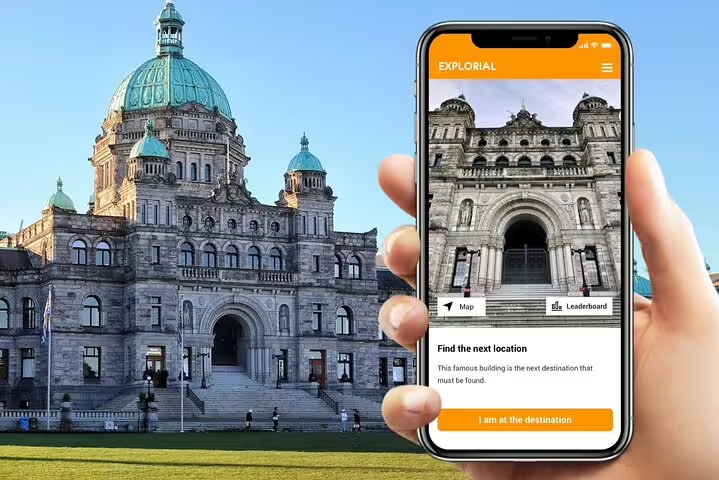
Victoria, British Columbia delivers an easygoing coastal capital feel with ocean air, heritage streetscapes, and a food scene that leans fresh and local. This guide focuses on practical, decision-ready planning so you can choose the right neighborhoods, pace your days, and prioritize experiences that match your travel style. Expect walkable waterfront scenery, cultural stops, and day trips that quickly shift from city charm to wild shoreline.
Victoria, British Columbia feels polished and relaxed at the same time, where harbor views meet historic architecture and garden culture. The signature vibe is coastal, compact, and stroll-friendly, with plenty of cafés and viewpoints that make it easy to slow down. Go now if you want a destination that balances city comforts with quick access to nature, without needing long drives to get a change of scenery.
Victoria, British Columbia sits on the southern tip of Vancouver Island in Canada’s Pacific coast province of British Columbia. It is separated from the mainland by the Salish Sea, which shapes the city’s maritime character and the way visitors arrive. Key gateways typically include regional airports and ferry connections from nearby hubs, plus onward links through larger Canadian airports for international arrivals.
Season choice is mostly about your preferred balance of weather and crowd levels. Warmer months tend to bring longer daylight and peak visitation, which can be ideal for gardens, waterfront walks, and outdoor patios, but you should expect higher demand for popular attractions and accommodations. Cooler months are often quieter and can feel more local, with a cozier pace that suits museums, dining, and scenic drives when conditions allow.
Canada uses the Canadian dollar, and most travelers find card payments widely accepted for everyday spending. Budget planning depends on season and how many guided activities you add, since peak periods often raise accommodation demand. Carry a small amount of cash for small purchases and tips, and keep a card that does not penalize foreign transactions if you are visiting from outside Canada.
Inner Harbour Walk
The waterfront is the city’s visual signature, with a mix of boats, promenades, and landmark-facing viewpoints that make orientation simple. It is an easy first stop because it connects you to nearby cultural sites and downtown streets. Practical tip: go early for calmer photos, then return later for a different light and livelier atmosphere.
Historic Downtown Stroll
Downtown’s older streets and storefronts give Victoria, British Columbia much of its character, and it is compact enough to explore on foot. This is where you will feel the city’s blend of heritage and modern café culture most clearly. Practical tip: plan a loose loop rather than a strict route, because the best moments often come from turning down side streets and browsing.
Gardens and Green Spaces
Garden culture is a defining theme here, tying together coastal climate, local pride, and photogenic landscaping. Even short visits can add a calming counterpoint to city sightseeing. Practical tip: visit in the morning for softer light and fewer people, especially if you want unhurried paths and clean shots.
Museum and Cultural Stops
Cultural institutions add depth to the trip by grounding the city’s story in place, people, and the wider region of Vancouver Island. They are also a reliable option when weather shifts. Practical tip: pair one indoor cultural stop with a harbor walk so your day stays balanced and you do not feel museum fatigue.
Afternoon Tea Experience
Tea service is a classic local ritual that suits the city’s refined, old-world edge without feeling overly formal if you choose the right setting. It is a slow travel moment that can reset your pace mid-trip. Practical tip: reserve ahead in busier seasons and arrive a little early so you can settle in without rushing.
Seafood Tasting
Coastal access shapes menus, and seafood is one of the clearest ways to taste the region. A focused seafood meal can feel like an “only here” experience when you choose seasonal preparations. Practical tip: ask what is local and in season, then order around that rather than defaulting to familiar items.
Scenic Coastal Drive
A short drive can quickly shift you from city streets to rugged coastline and wide-open views. This contrast is a major reason travelers choose Victoria, British Columbia over larger urban centers. Practical tip: build in time for spontaneous pull-offs, because viewpoints often become the highlight.
Local Markets and Artisan Browsing
Markets and small shops are where you can connect with regional producers and take home something that feels specific to the island. They also offer an easy way to snack through the day without committing to a full sit-down meal. Practical tip: go earlier for better selection, then use what you buy to create a picnic by the water.
Start with an early Inner Harbour Walk to get your bearings and enjoy the waterfront before it gets busy. Move into a Historic Downtown Stroll for coffee, browsing, and a quick cultural stop to add context. After lunch, choose a garden or green space for a slower hour, then finish with a seafood-forward dinner near the center so you can end the day with an easy evening walk.
Day one follows the highlights, but leaves room for a longer museum visit and an unhurried neighborhood wander. Day two adds a dedicated food focus, such as a market stop and a planned afternoon tea, plus a coastal drive for viewpoints and shoreline time. If you have a third day, use it for a nearby excursion beyond the center, then return to the harbor area for a relaxed final evening.
Pacific Salmon
Rich and clean-tasting, salmon often appears grilled, cured, or smoked, letting the natural flavor lead. Ordering tip: ask whether it is local and how it is prepared today, then choose a style that fits your appetite.
Fish and Chips
A classic coastal comfort food, typically crisp outside and tender inside, best enjoyed near the water. Ordering tip: ask what fish is being used, since the texture and flavor can vary by catch and season.
Dungeness Crab
Sweet, delicate, and unmistakably coastal, crab is a splurge that feels celebratory. Ordering tip: consider sharing, especially if you want room to sample other dishes.
Spot Prawns
When available, spot prawns are prized for their sweet, clean taste and firm bite. Ordering tip: ask if they are in season, and choose a simple preparation that highlights the flavor.
Locally Roasted Coffee
Café culture supports slow mornings and mid-day breaks, with roasts that pair well with waterfront walks. Ordering tip: try a drip or espresso first, then decide if you want a milk-based drink for a longer sit.
Craft Beer and Cider
The region’s beer and cider scene suits casual evenings and food pairings, often leaning crisp and refreshing. Ordering tip: ask for a tasting flight if you want to compare styles without committing to a full pour.
Victoria, British Columbia is well suited to walking in and around the central areas, especially near the harbor and downtown where many highlights cluster. Public transit can help bridge longer gaps, while ride-sharing or taxis are useful when you are short on time or heading back after dinner. For day trips and coastal viewpoints, a rental car can add flexibility, but plan for parking and choose a route that allows frequent stops without stress.
Vancouver Island Coastline Viewpoints
Short drives can deliver rugged shorelines and wide-open ocean scenery. Travel time depends on your chosen route and stop frequency. Primary reason to visit: dramatic coastal landscapes close to the city.
Nearby Parks and Beaches
Green spaces and beaches around the region are ideal for a reset day with simple pleasures like walking, picnics, and photography. Travel time varies, and conditions can change quickly near the water. Primary reason to visit: easy nature access without a major commitment.
Ferry-Linked Excursions
Because the city is part of a wider coastal network, ferry travel can open up additional communities and viewpoints. Travel time depends on sailing schedules and connections. Primary reason to visit: a classic Pacific Northwest travel experience that adds variety to your itinerary.
Small Town Stops on Vancouver Island
Exploring smaller communities can add local flavor, artisan shops, and quieter waterfront moments. Travel time varies by destination and route. Primary reason to visit: a slower pace and a more intimate look at island life.
How many days do I need in Victoria?
One day covers the harbor and downtown highlights at a brisk pace. Two to three days lets you add gardens, a deeper food focus, and at least one day trip without rushing.
Is Victoria walkable for first-time visitors?
Yes, central areas are compact and easy to explore on foot, especially around the harbor and downtown streets. Wear comfortable shoes and plan short breaks, since the best route often includes detours into shops and viewpoints.
Do I need a car in Victoria, British Columbia?
You can enjoy Victoria, British Columbia without a car if you focus on central sights and use transit or ride-sharing for longer hops. A car becomes most valuable for coastal drives and day trips beyond the core.
What is the best time of year to visit?
Warmer months usually bring longer days and more outdoor energy, along with higher crowd levels. Cooler months can feel quieter and more local, which suits museums, dining, and slower itineraries.
What local foods should I prioritize in Victoria, British Columbia?
In Victoria, British Columbia, prioritize seafood like salmon, crab, and spot prawns when they are available, plus local coffee and regional craft beer or cider. Ask what is seasonal so you taste what the coast is doing best during your visit.