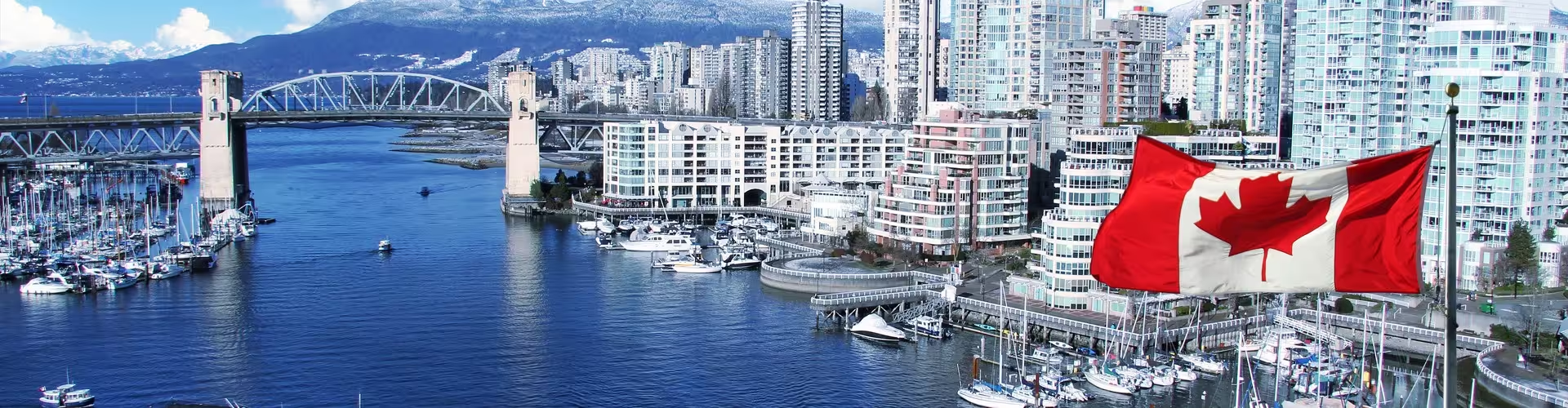
Vancouver is a coastal city where oceanfront paths, evergreen mountains, and glassy neighborhoods create an easy, outdoorsy rhythm. It is the kind of place where you can start the day on a seawall, spend the afternoon in a museum or market, and still make it to a viewpoint before sunset. This guide focuses on practical planning, neighborhood orientation, and experience-driven choices so you can build a trip that fits your pace.
Vancouver feels polished and nature-forward at the same time, with urban comforts set against the North Shore Mountains and the Pacific. The signature vibe is active and scenic, with waterfront walks, parks, and food culture that rewards curiosity. Go when you want a balance of mild weather and maximum daylight, and plan around the city’s outdoor-first energy.
Vancouver sits on Canada’s west coast in British Columbia, within the Metro Vancouver Regional District. The city is framed by Burrard Inlet to the north and the Fraser River to the south, with the North Shore Mountains rising across the water. Key gateways include Vancouver International Airport, and downtown hubs connect you to neighborhoods, the waterfront, and regional links by transit and ferry.
Seasonality in Vancouver is closely tied to how much time you want outdoors. Longer daylight and clearer views tend to make walking routes, parks, and viewpoints feel more rewarding, and those same conditions can also draw more visitors. Cooler or wetter periods can be ideal for museums, markets, and food-focused days, and they often make it easier to explore without feeling rushed.
Canada uses the Canadian dollar, and Vancouver is widely card-friendly for day-to-day spending. Keep a small amount of cash for minor purchases and tips, and rely on a no-foreign-transaction-fee card if you are visiting from abroad. Budget expectations vary by neighborhood and season, so set priorities early, for example, choose one or two paid attractions and balance them with parks, viewpoints, and self-guided walks.
Stanley Park and the Seawall
This is the classic Vancouver experience, a wide green escape with water views that can make the city feel instantly calm. The seawall route is a perfect first-day activity because it helps you understand the city’s geography, from downtown to the inlet. Practical tip, go earlier in the day for a quieter path and clearer photos, and bring layers because the waterfront can feel cooler.
Granville Island Public Market
Granville Island is a food-and-craft stop that captures the city’s everyday flavor, not just the highlight reel. It is ideal for grazing, picking up picnic items, and browsing local goods in one compact area. Practical tip, arrive hungry and do a full lap before buying, so you can compare options and avoid filling up too soon.
Gastown and the Historic Core
Gastown’s cobblestone feel and heritage streets add texture to a city known for modern glass towers. It is a good place to slow down, window shop, and focus on details like architecture and small galleries. Practical tip, visit in daylight for the best atmosphere and photos, and pair it with a waterfront walk so you can reset away from traffic.
Canada Place and the Waterfront
The waterfront around Canada Place delivers that “harbor city” perspective, with wide-open views and constant movement on the water. It is a strong choice for first-time visitors because it connects naturally to downtown walks and nearby viewpoints. Practical tip, time your visit for late afternoon when the light softens and the skyline looks more dramatic.
Capilano Suspension Bridge Park
This is a high-impact nature experience close to the city, and it is popular for a reason, it makes the forest feel immersive and vertical. It works well when you want a memorable contrast to downtown, especially if you are short on time. Practical tip, aim for a less crowded time of day and plan your transport in advance so you are not improvising on arrival.
Grouse Mountain
Grouse Mountain is about elevation, air, and perspective, and it is one of the quickest ways to feel the scale of the landscape around Vancouver. It is a strong pick for travelers who want panoramic views without committing to a full-day backcountry plan. Practical tip, check visibility before you go, and pack a warmer layer because conditions can change with altitude.
Kitsilano Beach and West Side Relaxation
Kitsilano brings a laid-back, beachy side of the city, with space to linger and a neighborhood feel nearby. It is a good counterbalance to downtown sightseeing, especially if you want an unstructured afternoon. Practical tip, bring a light blanket and snacks, and stay for the shift in light toward evening.
Museum and Gallery Time, Rain-Friendly Culture
Even in a city that sells itself on scenery, indoor culture matters, particularly when the weather turns. Museums and galleries help you understand regional identity, from coastal ecology to contemporary creativity. Practical tip, keep one indoor option in your plan each day so you can pivot smoothly if conditions change.
Start with a seawall walk in Stanley Park to lock in the city’s signature mix of forest and water. Head to the waterfront around Canada Place for skyline views, then continue into Gastown for a slower, heritage-focused stroll. Finish with a food-forward stop at Granville Island, and plan a golden-hour viewpoint to close the day with the North Shore Mountains in the background.
Day one, combine Stanley Park, the seawall, and a waterfront loop that lets you learn the city’s layout on foot. Day two, lean into neighborhoods, spend time in Gastown, then shift to Kitsilano for beach time and a more local pace, and add a market stop for a casual meal. Day three, reserve for the North Shore, choose Capilano Suspension Bridge Park or Grouse Mountain based on the kind of nature experience you want, and keep an indoor museum or gallery option as a flexible backup.
Seafood-focused plates
Coastal access shapes local menus, and seafood often tastes clean, briny, and fresh. Ordering tip, ask what is local and in season, and choose simple preparations that highlight the ingredient.
Sushi and Japanese-influenced dining
The city is known for strong sushi culture, with a focus on freshness and balance. Ordering tip, try a mix of classic nigiri and a house specialty roll, and consider a smaller order first so you can add more if you find a favorite.
Asian noodle soups
Comforting bowls are a staple, especially when the weather is cooler, with rich broths and springy noodles. Ordering tip, start with a medium spice level if you are unsure, and add condiments gradually.
West Coast coffee culture
Coffee stops are part of the daily rhythm, and you will find both quick espresso bars and slower, sit-down cafes. Ordering tip, if you want to linger, choose a cafe near a walkable area so your break becomes part of your route.
Market snacks and picnic foods
Markets make it easy to build a meal from small bites, fruit, baked goods, and ready-to-eat items. Ordering tip, shop first, then pick a waterfront or park spot, and keep napkins and water handy.
Craft beer and local pours
Beer culture is often casual and social, fitting the city’s relaxed style. Ordering tip, ask for a flight if you want variety, and pair it with something savory to balance hops and bitterness.
Vancouver is well-suited to walking in central areas, especially along the waterfront and around dense neighborhoods where sights cluster together. Public transit can help you connect between downtown, beach areas, and gateway points for North Shore experiences, and ride-sharing can be useful for late returns or time-sensitive plans. For comfort and safety, wear shoes built for long walks, keep a light rain layer in your day bag, and plan routes that avoid rushing across major roads when you are unfamiliar with intersections.
North Shore Mountains
Short travel times make the North Shore an easy add-on for views and forest scenery. The primary reason to go is the dramatic shift from city streets to mountain air in a single outing.
Capilano area forest experiences
This area is ideal when you want a concentrated nature experience that still feels close to town. The primary reason to visit is the immersive temperate rainforest setting.
Grouse Mountain area viewpoints
A day trip here is about elevation and wide-open panoramas. The primary reason to visit is the perspective over the city and water.
Waterfront and harbor loops
Staying near the city but shifting your angle can make familiar places feel new. The primary reason to do this is to see the skyline, inlets, and working harbor energy from different paths.
What is the best way to structure a first day in Vancouver?
Start with a seawall walk in Stanley Park, then connect to the waterfront and Gastown for a mix of nature and history. End at Granville Island for an easy, food-focused finish.
Do I need a car to get around?
Many central areas are walkable, and public transit can connect major neighborhoods efficiently. Ride-sharing can help when you are short on time or returning late.
When should I visit Capilano Suspension Bridge Park to avoid crowds?
Quieter times tend to be earlier in the day or during less peak travel periods. Plan your transport ahead of time so you can arrive when you intend, not when traffic decides.
What should I pack for a Vancouver trip?
Bring comfortable walking shoes and layers for changing conditions, especially near the water or at higher elevations. A light rain layer is useful for day-to-day flexibility.
How do I choose between Grouse Mountain and city sightseeing?
Pick Grouse Mountain when you want panoramic nature views and a change of pace from downtown. If your schedule is tight, balance it by keeping your other activities clustered in central Vancouver.