Metro Vancouver Regional District is the urban heart of British Columbia’s Lower Mainland, where ocean inlets, river flats, and forested mountains shape daily life as much as the skyline. This guide focuses on practical trip planning, signature experiences, and easy logistics, so you can build a visit that balances city energy with quick access to nature. Expect a destination that feels polished and outdoorsy at the same time, with neighborhoods that reward slow wandering and viewpoints that deliver instant perspective.
Metro Vancouver Regional District blends coastal scenery, multicultural food, and a gateway-to-the-mountains vibe that makes it easy to mix museums, waterfront walks, and hikes in one trip. It is a strong choice when you want a city break with fresh air built in, plus transit-friendly neighborhoods that keep planning simple. Go when you want variety, because the region’s mix of beaches, parks, and urban districts supports both quick weekends and longer stays.
Metro Vancouver Regional District sits in southwestern British Columbia on Canada’s Pacific coast, anchored by Vancouver and surrounded by water, river deltas, and the North Shore mountains. It works as a natural hub for exploring the Lower Mainland, with easy connections to nearby coastal communities and mountain corridors. Key gateways typically include Vancouver International Airport and major regional transit and ferry connections that link the mainland to coastal routes.
Seasonal planning in this coastal region is about balancing daylight, precipitation, and crowd levels. Warmer, drier periods tend to suit waterfront time, viewpoints, and longer walking days, while cooler, wetter periods can be ideal for museums, markets, and cozy food-focused itineraries. If your priority is outdoor scenery with fewer people, aim for shoulder-season timing and build flexibility into your day so you can swap a park walk for an indoor stop if conditions shift.
Canada uses the Canadian dollar, and card payments are widely accepted across urban areas. For day-to-day ease, keep a small amount of cash for small purchases and tips, but plan to rely primarily on cards for transit and dining. Costs can vary widely by neighborhood and style of travel, so set a daily target, then allocate more to a few high-impact meals or experiences and balance the rest with parks, beaches, and free viewpoints.
Seawall and Waterfront Walks
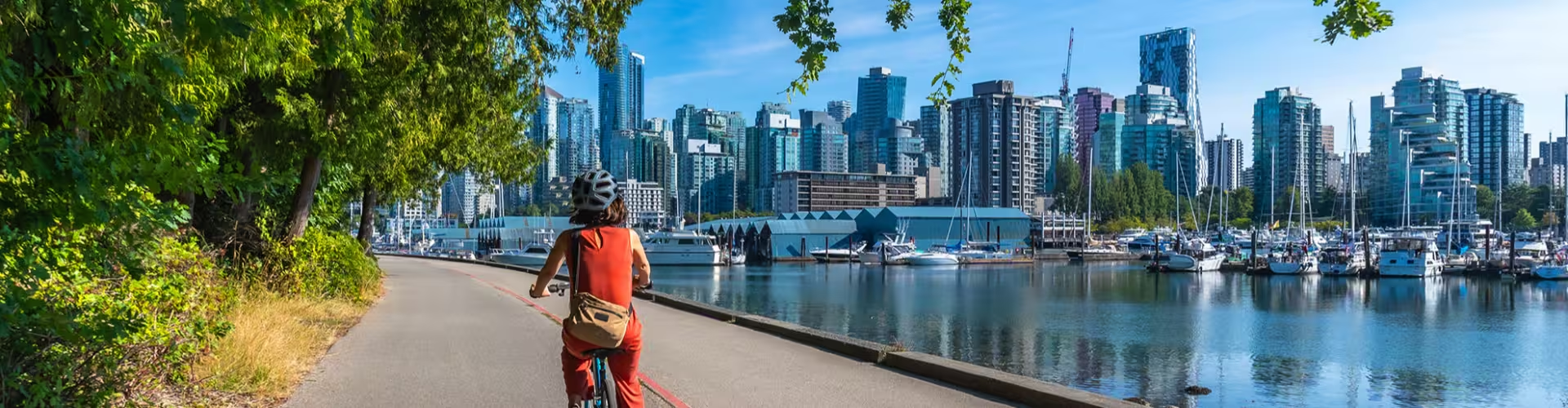
The region’s waterfront paths are a signature way to understand the city’s relationship with the Pacific, with constant shifts between skyline views, marinas, and open water. It is the kind of experience that works in any itinerary because you can do it in short segments or commit to a longer loop. Practical tip, go earlier in the day for calmer paths and clearer photos, then return near dusk for softer light.
Neighborhood Food Crawl
One of the strongest reasons to visit Metro Vancouver Regional District is how many cuisines feel everyday and local, rather than “special occasion.” A food crawl lets you sample across cultures without needing formal reservations for every stop. Practical tip, pick one area and build a progressive meal, a snack, a main, and dessert, so you spend more time exploring on foot.
Public Markets and Local Shops
Markets and independent shops help you see what residents actually buy, from seasonal produce to small-batch goods. They are also a smart choice when weather is unsettled, because you can browse without committing to a full indoor attraction. Practical tip, arrive hungry and pace yourself, because tasting stalls can add up quickly.
Urban Parks and Viewpoints
Green space is part of the region’s identity, with parks that feel like a reset button between neighborhoods. Viewpoints matter here because mountains and water create natural “big picture” moments that make the geography click. Practical tip, bring a light layer even on mild days, because breezes near the water can change how it feels.
North Shore Mountain Access
The mountains are close enough to feel like part of the city, which is a defining advantage of Metro Vancouver Regional District. Even a short visit can include forest trails, lookouts, and the sense of being surrounded by nature. Practical tip, start earlier for popular trails and consider transit or ride-sharing plans ahead of time so you are not improvising at the trailhead.
Beach Time and Coastal Scenery
Beaches here are as much about walking and views as they are about swimming, with wide horizons and a relaxed local rhythm. They also make excellent “buffer” activities between meals or timed plans. Practical tip, pack a small blanket and a reusable bottle, then treat the beach as a sunset stop even if you only have 30 minutes.
Museums, Galleries, and Cultural Stops
Cultural venues add context to the region’s story, including its coastal setting, migration patterns, and creative scene. They are especially valuable when you want a deeper understanding beyond the postcard views. Practical tip, pair one museum or gallery with an outdoor walk the same day for a balanced pace.
Harbor and Water Experiences
Being on the coast means the water is not just scenery, it is part of how the region moves and relaxes. A harbor-focused outing can deliver a fresh angle on the skyline and a calmer tempo than street-level sightseeing. Practical tip, bring a windproof layer and keep your camera accessible, because the best moments can happen quickly.
Start with a waterfront walk to get oriented, then move into a central neighborhood for coffee and a market-style snack. Spend midday in a major urban park or viewpoint area, then plan a short cultural stop to add context and variety. End the day with a food-focused evening in a neighborhood known for dining, then finish with a quick return to the water for sunset light.
Day 1, focus on the core city experience, waterfront, parks, and a neighborhood food crawl, keeping distances walkable and transit-friendly. Day 2, dedicate time to mountain access on the North Shore, then return for an unhurried afternoon of galleries, shops, and a long dinner. Day 3, if you have it, use it as a flexible day for beaches, markets, and one “splurge” experience, and keep your schedule light so you can follow weather and energy levels.
Sushi and Japanese Seafood
Expect clean flavors, careful knife work, and a strong focus on freshness that suits a coastal city. Ordering tip, choose a mix of nigiri and a simple roll to compare rice texture and fish quality.
Dim Sum
Dim sum is built for sharing, with steamed, baked, and fried bites that range from delicate to rich. Ordering tip, start with a few classics, then add one unfamiliar dish each round to keep it adventurous but manageable.
Ramen
Ramen here often leans into deep broths and satisfying toppings, ideal on cooler or rainy days. Ordering tip, if you are hungry, add an egg or extra noodles rather than over-ordering multiple sides.
West Coast Seafood
Seafood is a natural fit in Metro Vancouver Regional District, with preparations that highlight briny, sweet, and buttery notes. Ordering tip, ask for the simplest preparation on the menu if you want the ingredient to lead.
Craft Coffee
The coffee scene favors quality beans and careful brewing, making it easy to build a café stop into any route. Ordering tip, try a drip or filter option once, not just espresso drinks, to taste the roast profile clearly.
Bubble Tea
Bubble tea is both a snack and a drink, with customizable sweetness and chewy toppings. Ordering tip, reduce sweetness on your first order, then adjust upward if you want it more dessert-like.
Getting around is often easiest by combining walking with public transit for longer hops between neighborhoods. Walking works well in dense areas and along waterfront routes, while transit helps you connect to parks, viewpoints, and cross-city dining plans without the stress of parking. Ride-sharing and taxis can be useful for late evenings or when you want a direct route to trail access points. For safety and comfort, keep an eye on changing weather near the water and in higher elevations, and prioritize well-lit routes at night if you are walking between stops.
North Shore Outdoors
A short trip across the water or bridges brings you into forested terrain and mountain viewpoints. Primary reason to visit, quick access to trails and big scenery without leaving the region’s orbit.
Fraser River Delta Landscapes
Heading toward the river and delta areas shifts the vibe from urban to wide-open, with a focus on flat landscapes and big skies. Primary reason to visit, a different perspective on the region’s geography and how water shapes the Lower Mainland.
Coastal Communities and Shoreline Views
Nearby coastal areas offer a slower pace, scenic shoreline walks, and a change of rhythm from city streets. Primary reason to visit, relaxed waterfront time that still feels connected to Metro Vancouver Regional District.
Mountain Corridor Excursions
Trips toward mountain corridors emphasize dramatic elevation changes and a stronger alpine feel. Primary reason to visit, a deeper nature day that complements the city portion of your itinerary.
Combine walking in dense neighborhoods with public transit for longer connections. Ride-sharing can fill gaps, especially for early starts or late evenings.
One day covers core highlights like waterfront time, a park, and a food-focused neighborhood. Two to three days lets you add mountain access and a slower pace across multiple districts in Metro Vancouver Regional District.
Choose timing based on what you want most, longer outdoor days or a quieter, more museum-and-café style trip. Shoulder seasons can offer a strong balance between comfort and crowd levels.
Cards are widely accepted, so cash is mainly useful for small purchases and tips. Keep a little on hand, but plan for card-first spending.
Pack layers, including a light rain option and something warm for breezy waterfront moments. If you plan to combine city walks with trails, bring shoes that are comfortable and stable for both in Metro Vancouver Regional District.