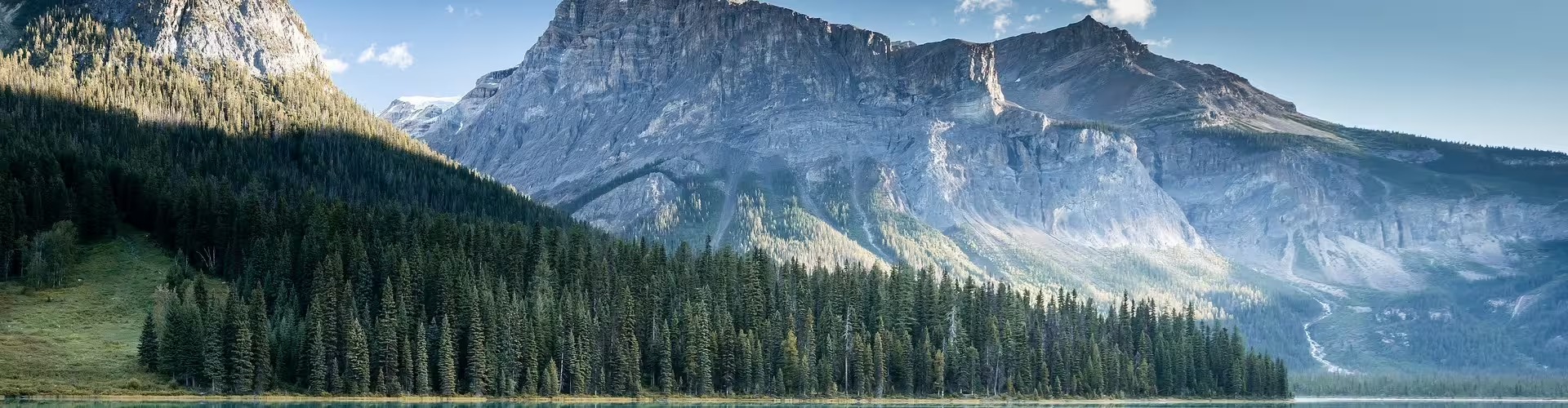
British Columbia is Canada’s Pacific-facing province where coastal cities, rainforest islands, and glacier-cut mountains sit within a few hours of each other. The signature vibe is outdoors-first and design-forward, with a strong food scene shaped by the ocean, farms, and multicultural neighborhoods. This guide helps you plan routes, choose the right season, and prioritize experiences that match your pace, whether you want urban culture, alpine scenery, or both.
British Columbia feels like a choose-your-own-adventure destination, you can pair a morning on the seawall with an afternoon in old-growth forest. Go now if you want a trip that balances city energy with immediate access to nature, especially if you enjoy water views, mountain backdrops, and fresh local ingredients. The province rewards good planning, distances are real, and the best days come from matching regions to your interests and the season.
British Columbia sits on Canada’s west coast, bordered by the Pacific Ocean, the Rocky Mountain region to the east, and the United States to the south. Vancouver is the main gateway for many travelers, with major transport connections and onward routes to Vancouver Island, the Sea-to-Sky corridor, and the Interior. If you are planning a multi-region itinerary, think in clusters, the Lower Mainland and Fraser Valley, Vancouver Island, the Okanagan, and the Kootenays each have distinct landscapes and travel rhythms.
Seasonality is one of the biggest decision points in British Columbia. Summer generally brings the busiest travel period and the widest range of road and trail access, which suits scenic drives, lake time, and coastal adventures. Shoulder seasons can feel calmer and more local, with changeable conditions that reward flexible plans and layered clothing. Winter shifts the focus toward snow sports and cozy city breaks, with shorter daylight hours and more weather-related variability on mountain routes.
Canada uses the Canadian dollar, and most travelers find card payments widely accepted in urban areas. For smaller towns, remote routes, and markets, it is smart to carry a little cash as a backup. Budget expectations vary by region, city stays and peak-season travel tend to cost more, while road trips and self-catered meals can help balance your daily spend.
Vancouver Seawall and Stanley Park. This is the classic coastal-city experience, a long waterfront route with skyline views, forested paths, and beaches that show how nature and city life blend in British Columbia. It matters because you can see local daily life, cyclists, runners, and families, not just sightseeing. Practical tip, go early for quieter paths and clearer photos, especially on weekends.
Granville Island Public Market. A food-focused stop that highlights local producers, bakeries, and seasonal ingredients. It matters because it is an easy way to taste the region’s flavors in one place and pick up picnic supplies for the waterfront. Practical tip, arrive hungry and do a full loop first, then buy, it helps you avoid impulse purchases.
Capilano Suspension Bridge Park area. A high-impact rainforest experience close to the city, known for towering trees and dramatic viewpoints. It matters because it delivers that West Coast forest feeling without a long drive. Practical tip, aim for earlier in the day to reduce crowding and give yourself time to explore nearby trails.
Sea-to-Sky Corridor viewpoints. The route between Vancouver and Whistler is a signature drive with ocean inlets, granite cliffs, and mountain scenery. It matters because it is one of the most accessible ways to understand the province’s scale and geography. Practical tip, build in extra time for stops, rushing this road means missing the best viewpoints.
Whistler village and alpine access. A resort town that works year-round, combining pedestrian-friendly streets with quick access to mountain terrain. It matters because it offers a concentrated mix of dining, outdoor activities, and scenic lift rides depending on the season. Practical tip, book key activities ahead during peak periods, then keep one flexible block for weather changes.
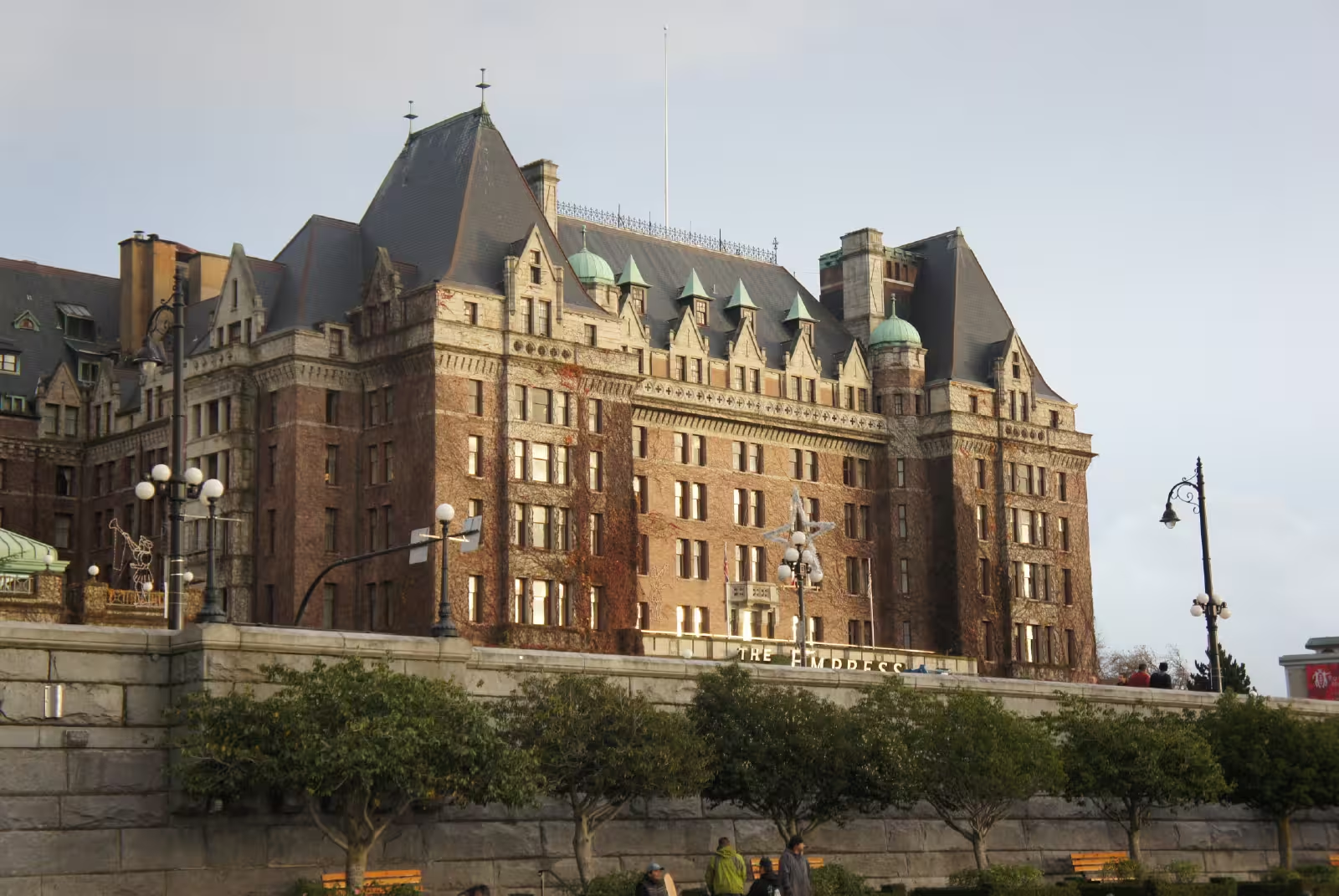
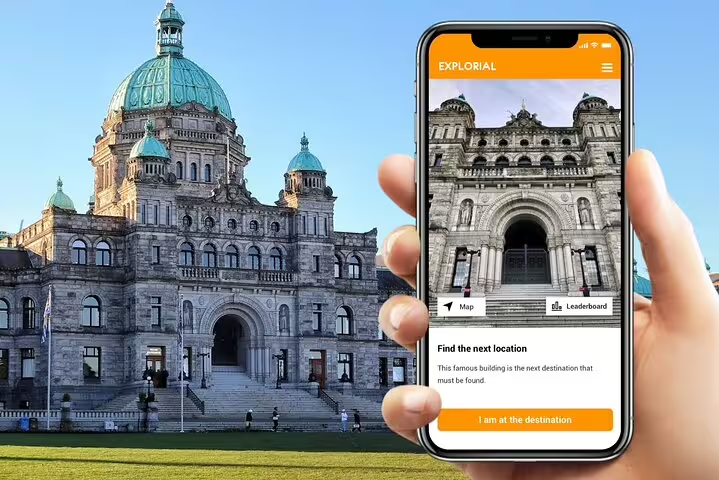
Vancouver Island and Victoria’s heritage core. The island adds a different pace, with maritime culture and a capital city known for historic architecture and walkable streets. It matters because it broadens a British Columbia trip beyond the mainland and introduces ferry travel, coastal views, and island ecosystems. Practical tip, treat the crossing as part of the experience, plan to arrive early and keep snacks and layers handy.
Pacific Rim style beaches and rainforest walks. The West Coast of Vancouver Island is famous for wave-washed beaches and forest trails that feel wild and cinematic. It matters because it showcases the province’s ocean-facing identity and the power of the Pacific. Practical tip, check conditions before heading out, and pack waterproof layers even when the forecast looks calm.
Okanagan wine and lake country. The Interior is known for warm-weather lake time and vineyard landscapes. It matters because it offers a contrasting side of British Columbia, drier, sunnier, and built around patios, orchards, and scenic drives. Practical tip, choose a designated driver plan or guided tastings, and group wineries by area to reduce driving.
Rocky Mountain gateway towns. Eastern routes introduce bigger alpine drama, with mountain towns that act as bases for hikes and scenic lookouts. It matters because it connects the province to the broader Canadian mountain story and opens up multi-province road trip possibilities. Practical tip, keep fuel topped up on long stretches and start early for popular trails.
Start with a waterfront walk in Vancouver, then build toward a food stop for an easy, high-reward morning. Spend midday in a forested park zone or a nearby rainforest-style attraction to get a quick dose of West Coast nature. End with a sunset viewpoint on the water, then choose a neighborhood dinner that highlights seafood or Asian-influenced menus, which are central to the region’s dining identity.
Day one focuses on Vancouver’s neighborhoods and waterfront routes, mixing a market visit with a longer coastal walk and time for galleries or local shopping streets. Day two becomes a corridor day, either head toward Whistler for mountain scenery and village time, or take the ferry to Vancouver Island for a change of pace and heritage-focused strolling. Day three is for your personal priority, beaches and rainforest, wine and lakes, or a longer mountain drive, plan it around the season and keep your schedule realistic, travel times can shape the whole day.
Pacific salmon. Rich, clean, and often served simply so the flavor stays front and center. Ordering tip, ask what style is featured that day, grilled, smoked, or cedar-planked, and choose based on how bold you want the taste.
Spot prawns. Sweet and delicate, often treated as a seasonal highlight when available. Ordering tip, look for simple preparations that keep the texture tender, and pair with something bright like citrus or herbs.
West Coast oysters. Briny and fresh, with different flavor notes depending on where they are grown. Ordering tip, try a mixed selection if offered, it is the easiest way to compare profiles in one sitting.
Poutine with local twists. Crisp fries, gravy, and cheese curds, sometimes topped with regional ingredients. Ordering tip, if you want the classic experience, start traditional first, then try a seafood or smoked-meat variation next time.
Sushi and Japanese-influenced seafood. Vancouver is known for high-quality seafood and a strong Japanese culinary presence. Ordering tip, sit at the bar when possible, and ask for a chef’s selection if you want variety without over-ordering.
Okanagan wines and ciders. Often fruit-forward, with styles that pair well with patio meals and lake days. Ordering tip, try a tasting flight to find your preference, then order by the glass to match your meal.
In Vancouver, walking and public transit work well for many key areas, and cycling is popular on waterfront routes. Ride-sharing and taxis can help when you are crossing bridges or moving between neighborhoods quickly. For regional travel in British Columbia, a car unlocks the most flexibility, especially for scenic corridors, lake country, and mountain towns, but ferries and intercity connections can be a strong option if you prefer not to drive. Safety and accessibility note, weather can change quickly in coastal and mountain zones, so build buffer time and keep layers and water with you.
Whistler. A classic day trip from Vancouver that delivers mountain scenery and a walkable village. Travel time varies by conditions, and the main reason to go is the dramatic Sea-to-Sky landscapes paired with easy-on-the-ground exploring.
Victoria. A ferry-based day that adds a capital-city feel and historic streetscapes. The primary reason to visit is the heritage atmosphere and coastal setting, with a pace that feels different from the mainland.
Bowen Island. A quick escape that feels quieter and more local, ideal for short walks and waterfront downtime. The reason to go is the island reset, you can slow down without committing to a long journey.
Fraser Valley. A countryside change-up with farms and small-town stops depending on the route you choose. The reason to go is the contrast, it shows a more rural side close to the city.
Choose one base and one region for day trips so you spend more time exploring than commuting. A city plus one corridor, island, or interior region is a realistic starting framework.
You can cover many urban highlights without a car, especially in Vancouver where walking and transit are practical. For regional routes and scenic drives in British Columbia, a car adds flexibility and saves time.
Shoulder seasons often feel calmer than peak summer, with fewer crowds and a more local pace. Conditions can be more variable, so build flexibility into your daily plan.
Bring layers you can add or remove, plus a light waterproof outer layer. Comfortable walking shoes help across waterfront paths, markets, and uneven nature trails.
Plan one full day around the ferry crossing and focus on a single area rather than trying to see the whole island. If you want a faster taste of British Columbia island life, prioritize a walkable core and one coastal viewpoint.