Saudi Arabia is a vast, fast evolving destination where ancient trade routes, desert landscapes, and contemporary city life meet in a distinctly Gulf rhythm. From Red Sea coastlines to highland villages and world class museums, the country rewards travelers who plan smart and travel with cultural awareness. This guide focuses on practical decision making, what to do, when to go, how to move around, and how to build an itinerary that fits your pace.
Saudi Arabia delivers a signature mix of heritage and ambition, with dramatic natural scenery and a strong sense of place rooted in Islamic history and Arabian hospitality. Go for UNESCO listed sites, desert stargazing, and food culture that ranges from street grills to celebratory rice dishes. It is also a destination to visit now because new tourism infrastructure makes multi city routes easier, while many regions still feel refreshingly uncrowded compared with other global hotspots.
Saudi Arabia sits at the heart of the Arabian Peninsula, bridging the Red Sea to the west and the Arabian Gulf to the east. The main gateways are major hubs like Riyadh, Jeddah, and Dammam, which typically function as the most convenient entry points for domestic connections. For many itineraries, travelers use Riyadh for central access, Jeddah for the Red Sea coast and western heritage routes, and Dammam for the Eastern Province and Gulf side travel.
In general, cooler months are the most comfortable for city walking, archaeological sites, and desert excursions, while hotter months are better suited to indoor attractions and coastal evenings. Weather varies by region, with the highlands in the southwest often feeling different from central desert climates, and the Red Sea coast bringing humidity. If you want a calmer experience, plan around non peak travel periods and prioritize early morning starts for outdoor sightseeing.
The local currency is the Saudi riyal, and most urban businesses accept card payments, especially in major malls, museums, and hotels. Cash can still be useful for small purchases and tips, particularly in more traditional markets and roadside stops. Budgeting depends heavily on your route, with big city dining and transport offering a wide range of options, while guided experiences like desert trips can add to costs, so compare inclusions before booking.
Riyadh city landmarks and museums
Riyadh sets the tone for modern Saudi Arabia, pairing sleek skylines with cultural institutions that explain the country’s past and present. It is a strong starting point for first timers because it provides context before you head into heritage regions. Practical tip, cluster indoor visits in the middle of the day and save outdoor viewpoints for late afternoon light.
Historic Jeddah and the Red Sea vibe
Jeddah feels like a port city shaped by pilgrims, merchants, and Red Sea trade, with a more coastal pace and a strong food scene. Exploring historic districts helps you understand how architecture adapted to heat, privacy, and community life. Practical tip, go on foot in the evening when temperatures are gentler, and keep a map pinned because lanes can be maze like.
AlUla and desert landscape drives
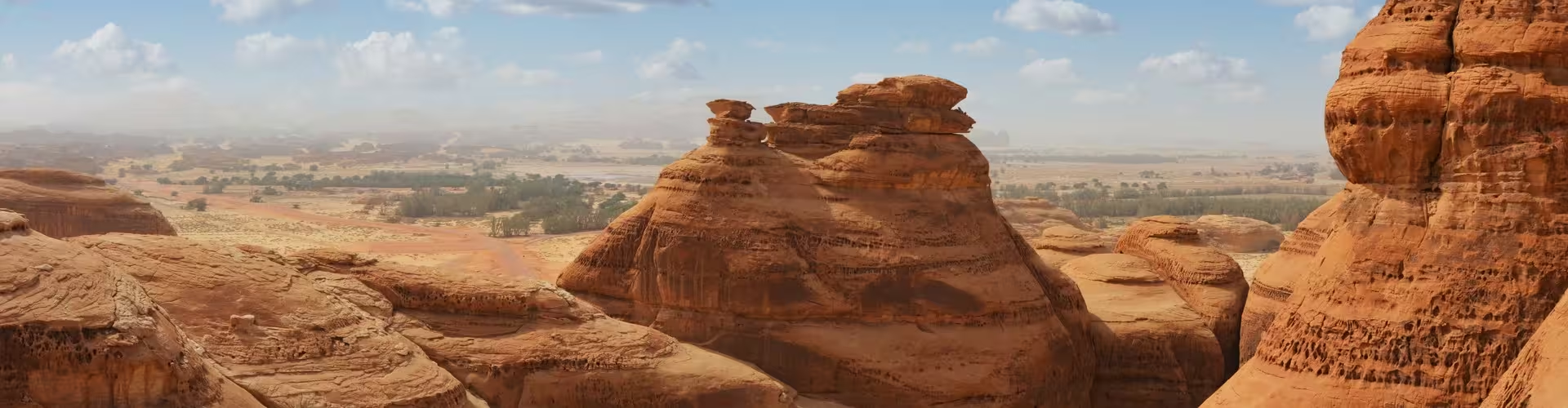
AlUla is one of the most visually striking regions, where sandstone formations and archaeological sites create an open air sense of scale. It matters because it connects travelers to pre Islamic civilizations and caravan routes that once linked the peninsula to the Levant and beyond. Practical tip, plan your day around sunrise and sunset, and bring layers because desert temperatures can swing.
UNESCO heritage in Diriyah
Diriyah is essential for understanding the roots of the Saudi state and Najdi architecture, with mud brick forms designed for climate and defense. The area is especially rewarding if you like history that is tied to place, not just objects behind glass. Practical tip, allow extra time for walking, and wear comfortable shoes suitable for uneven ground.
Edge of the World escarpment viewpoints
This dramatic cliff line outside Riyadh delivers sweeping horizons that capture the vastness people associate with the Arabian interior. It matters because it is one of the easiest ways to experience desert geology without a multi day expedition. Practical tip, go with a reputable driver or tour for navigation, and prioritize safety near cliff edges, especially with wind.
Asir highlands and mountain villages
The southwest highlands offer a different side of the country, with cooler air, terraced landscapes, and regional architecture. It matters because it broadens your understanding of how diverse Saudi Arabia is beyond desert imagery. Practical tip, pack a light jacket and plan for winding roads if you are sensitive to motion.
Red Sea coastal relaxation
The Red Sea coast is ideal for slowing down, with beach time and water focused activities that contrast with inland heritage touring. It matters because it balances an itinerary and makes longer trips feel less rushed. Practical tip, schedule beach time after heavy sightseeing days, and keep sun protection with you year round.
Traditional souqs and modern malls
Markets and malls sit side by side in many cities, offering a quick read on daily life, fashion, and social rhythms. Souqs can be great for spices, textiles, and gifts, while malls are useful for dining and family friendly entertainment. Practical tip, in souqs ask politely before photographing people or stalls, and in malls dress modestly to blend in comfortably.
Start with a morning museum or cultural center to ground your trip in the story of the region, then move to a heritage district for architecture and street life. After lunch, plan a short indoor stop to avoid the warmest hours, then head to a skyline viewpoint or scenic overlook for late afternoon. Finish with a relaxed dinner that includes classic rice and grilled dishes, and leave time for a coffee and dates style dessert experience.
Day 1, focus on city context, museums, a heritage quarter, and a food focused evening. Day 2, add a half day excursion to a natural viewpoint or desert edge experience, then return for a slower night market walk and shopping. Day 3, if you have time, connect to a second hub like Jeddah or AlUla for a change of scenery, prioritizing one anchor experience rather than trying to see everything.
Kabsa
A fragrant rice dish often served with chicken or lamb, built on warm spices and a satisfying, celebratory feel. Ordering tip, ask for the house style spice level and whether it comes with a tomato based sauce on the side.
Mandi
Slow cooked meat and rice with smoky depth, traditionally linked to communal dining. Ordering tip, if you are sharing, order one large platter and add a side salad to balance richness.
Jareesh
A comforting wheat based dish with a creamy texture and savory flavor, often associated with home style cooking. Ordering tip, ask if it is served with a topping like onions or clarified butter, then decide based on how rich you want it.
Mutabbaq
A crisp, folded street snack that can be savory or sweet, often filled and cooked to order. Ordering tip, watch for fresh preparation, and consider splitting one if you are sampling multiple snacks.
Shawarma
A familiar favorite across the region, with juicy sliced meat and garlic sauce in flatbread, ideal for quick meals between sights. Ordering tip, specify your preferred sauce and ask for extra pickles if you like tang.
Arabic coffee and dates
Lightly spiced coffee served in small cups, commonly paired with dates as a sign of hospitality. Ordering tip, if you are offered refills, remember that a gentle hand gesture can signal when you have had enough.
In major cities, ride sharing and taxis are widely used for point to point trips, especially when distances are long or temperatures make walking less comfortable. Walking works best in specific districts, promenades, and heritage areas, while intercity travel often relies on domestic flights and long distance road routes between hubs. For safety and ease, keep your destination written in Arabic when possible, carry water for outdoor days, and plan accessible routes in advance if you have mobility needs because sidewalks and crossings can vary by area.
Diriyah from Riyadh
A short trip that adds heritage depth, ideal for architecture and history focused travelers. Travel time depends on traffic, and it is best paired with a relaxed meal afterward.
Edge of the World from Riyadh
A scenic nature escape that highlights escarpment landscapes and wide desert views. Travel time varies by route, and visiting in late afternoon helps with softer light and cooler air.
Taif from western hubs
A highland getaway known for a cooler feel compared with lowland coastal areas. Travel time varies, and it works well as a reset day between city sightseeing.
Asir region excursions
A chance to explore mountain scenery and regional culture beyond the main urban centers. Travel time depends on your base, and it is best approached with flexible pacing due to winding roads.
Do I need multiple days to see the main highlights?
One day can cover a compact set of city landmarks and a heritage area if you plan efficiently. Two to three days gives you room for a scenic excursion and slower evenings for food and markets.
What is the best time of day for outdoor sightseeing?
Early morning and late afternoon are usually the most comfortable for walking and viewpoints. Midday is better for indoor attractions and longer meals.
How do I get around cities in Saudi Arabia?
In Saudi Arabia, ride sharing and taxis are common for getting between districts, especially when distances are long. Walking works best in specific areas like promenades and heritage quarters.
Is it easy to combine Riyadh and Jeddah in one trip?
Yes, many travelers connect these hubs because they offer different atmospheres, with Riyadh leaning more administrative and modern, and Jeddah offering a coastal Red Sea feel. Keep your schedule realistic so you do not spend the whole trip in transit.
What local foods should I prioritize if I only try a few?
In Saudi Arabia, start with kabsa or mandi for a classic rice platter experience, then add a street snack like mutabbaq. Finish with Arabic coffee and dates to experience everyday hospitality traditions.