
Build your dream
experience
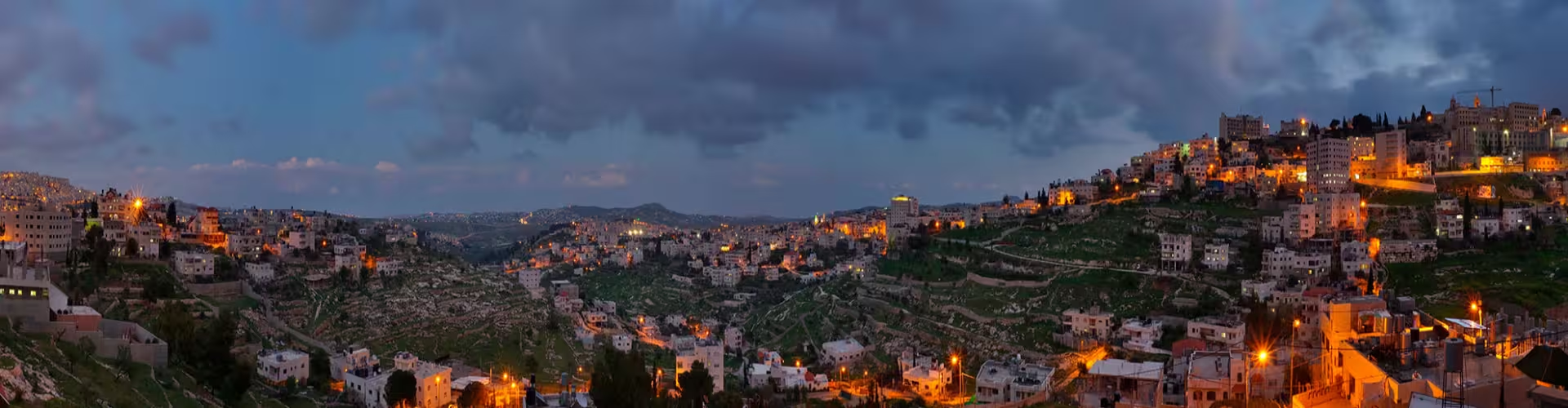
More to know about Bethlehem
Bethlehem Travel Guide
Bethlehem is one of the most meaning-rich destinations in Palestine, known for pilgrimage heritage, living traditions, and a walkable center where daily life and history sit side by side. This guide focuses on practical planning, what to prioritize, and how to experience the city with context, respect, and confidence. Use it to build a trip that balances iconic sites with local texture, food, and nearby excursions.
Snapshot
Bethlehem feels intimate and layered, a place where sacred landmarks, artisan culture, and neighborhood streets create a slow, reflective travel rhythm. The signature vibe is contemplative and human-scale, with rewarding moments for travelers who linger beyond the headline attractions. Go now if you want a destination that supports meaningful travel, photography, and cultural learning in a compact area that can be explored efficiently.
🗺️ Geography and Logistics
📍 Orientation: Where is it within Palestine and Palestine?
Bethlehem is in the West Bank, in Palestine, and it sits close to Jerusalem, which makes it a common addition to regional itineraries. Travelers typically route through major hubs in the area and then continue by road into the city. Because movement in the region can involve checkpoints and variable travel times, plan buffer time between cities and keep your day flexible.
🕒 When to Go: Seasonal breakdown
Expect seasonal shifts that affect both comfort and crowd levels. Warmer periods can make midday walking feel more demanding, while cooler periods can be better for long strolls and layered sightseeing. Peak religious travel windows can increase crowds around major holy sites, so early starts and weekday visits can improve the experience.
💰 Budget & Currency: Practical money tips
Budget needs depend on your travel style, whether you focus on guided visits, private transport, and shopping for local crafts. Carry some cash for small purchases and quick transactions, and keep a card as backup where accepted. If you plan to buy artisanal items, set a clear spending limit ahead of time so you can shop intentionally rather than impulsively.
⭐ Essential Things to Do List
Note: Experiences are curated for decision support. Confirm current access details locally, since opening procedures and site rules can change.
Explore the historic core on foot
Why it matters: Central Bethlehem rewards slow walking, with streets that reveal everyday life alongside heritage landmarks. You will notice how the city’s rhythm changes from busy commercial stretches to quieter lanes. Practical tip: Start early to enjoy cooler temperatures and clearer photos, then pause midday for a long lunch.
Prioritize a heritage landmark visit
Why it matters: The city’s global identity is tied to its sacred history, and visiting a major site helps you understand why Bethlehem holds such emotional weight for many travelers. Even if you are not on a religious trip, the architecture, rituals, and visitor flow tell a story about continuity and change. Practical tip: Dress modestly, speak softly indoors, and be prepared for security or crowd control measures.
Seek out local artisan workshops
Why it matters: Craft traditions are part of the living culture, not just souvenirs. Seeing how items are made adds depth and supports local livelihoods. Practical tip: Ask about materials, origin, and care instructions, then compare a few shops before buying.
Visit a museum or cultural center
Why it matters: Museums provide context that makes street-level exploration more meaningful, especially around modern history and community life. They also offer a quieter pace when the streets feel busy. Practical tip: Use a museum visit to reset your day, then continue exploring afterward with clearer context.
Photograph city scenes respectfully
Why it matters: Bethlehem is visually compelling, with textures of stone, signage, markets, and layered skylines. Good travel photography here is less about rushing to a single viewpoint and more about capturing small moments. Practical tip: Ask before photographing individuals, and avoid intrusive shots near places of worship.
Shop for locally made foods and pantry items
Why it matters: Edible souvenirs help you remember the trip at home, and they often connect you to regional agriculture and family-run businesses. Practical tip: Choose sealed, travel-friendly items and keep them accessible if you expect bag checks.
Enjoy café culture and people-watching
Why it matters: Sitting down is part of understanding a destination. A café stop lets you observe daily routines and gives your itinerary breathing room. Practical tip: Order something warm and linger, then plan your next stop using offline maps.
Book a guided walk for deeper context
Why it matters: A good guide can add nuance about neighborhoods, cultural etiquette, and the meaning behind what you see. This is especially helpful for first-time visitors who want a clear narrative rather than scattered impressions. Practical tip: Choose a guide who welcomes questions, and share your interests in advance so the route matches your goals.
🚶 Curated Itineraries
⏰ The Highlights (1 Day): A fast-paced best-of route
Start with an early walk through the central area to get oriented while streets are calmer. Focus your late morning on a primary heritage site, then take a long lunch break to avoid the busiest hours. Spend the afternoon browsing artisan shops and a cultural venue, then finish with a relaxed café stop and a sunset stroll for softer light and a gentler pace.
⏰ Deep Dive (2-3 Days): Neighborhood exploration and local texture
On day one, follow the highlights route but slow it down, adding time for museums and unhurried street photography. On day two, dedicate the morning to crafts and workshop visits, then explore additional neighborhoods and markets at a local pace. If you have a third day, reserve it for a day trip beyond the center, keeping the evening open for a longer meal and a final walk through Bethlehem to revisit your favorite corners.
🍽️ Flavors of Bethlehem
Food is a practical way to connect with place. Look for simple, well-executed dishes that highlight olive oil, herbs, grilled flavors, and seasonal produce.
- Mezze spreads: A table of small plates that can include creamy dips, pickles, and salads. Ordering tip: Ask for a mixed selection so you can taste a broad range without over-ordering.
- Falafel: Crisp outside, tender inside, often served in bread with salads and sauces. Ordering tip: Request it freshly fried for the best texture.
- Hummus: Smooth, savory, and rich with olive oil. Ordering tip: Pair it with warm bread and a simple salad for a balanced, budget-friendly meal.
- Musakhan-style flavors: Comforting, onion-forward profiles with aromatic spices and olive oil. Ordering tip: Share if possible, since portions can be filling.
- Grilled meats and kebab plates: Smoky, satisfying, and often served with rice or bread. Ordering tip: Ask what comes with the plate so you can add vegetables rather than extra starch.
- Fresh juices and mint tea: Bright, refreshing, and ideal after long walks. Ordering tip: Choose seasonal fruit options when available for the best flavor.
- Baklava and syrup-soaked pastries: Sweet, layered, and nutty. Ordering tip: Buy a small mixed box so you can sample different textures.
🚌 Navigation & Transport
Bethlehem is compact enough that many travelers cover key areas on foot, especially in and around the central streets. For longer hops or if you are short on time, local taxis can help you connect between districts and nearby viewpoints. If you are combining the city with nearby destinations, plan road travel with extra buffer time, and keep your schedule flexible in case of delays.
For accessibility, expect uneven pavements in older areas and occasional steps at historic sites. Wear stable walking shoes and carry water, especially if you plan long walking loops. As in any busy destination, keep valuables secure and stay aware in crowded areas.
🌄 Beyond the Center: Day Trips
- Jerusalem: Close by and culturally dense, ideal for travelers pairing major regional heritage sites in one trip. Travel time can vary, so plan a flexible start and return.
- Hebron: A destination for travelers interested in deep history, traditional markets, and complex local context. Go with a guide if you want clearer cultural framing.
- Jericho: Often visited for its ancient associations and warm-climate landscapes. Start early to maximize daylight and comfort.
- Dead Sea area: Popular for the unique natural environment and relaxation. Bring sun protection and water, and keep your day lightly scheduled.
- Ramallah: A good option for modern Palestinian city life, cafés, and contemporary culture. Consider it if you want contrast after heritage-focused days.
✅ Insider Tips for Travelers
- Start early for the calmest streets and the best photo light.
- Dress modestly for religious sites, and carry a light layer for indoor spaces.
- Build buffer time into any cross-city transport, travel times can be unpredictable.
- Carry cash for small purchases, and keep a card as a backup where accepted.
- Ask before photographing people, especially near places of worship and in markets.
- Shop thoughtfully for crafts, compare quality, ask about materials, and avoid rushed buying.
- Wear stable walking shoes, older streets can be uneven and include steps.
- Keep your itinerary realistic, a slower pace often leads to a richer experience in Bethlehem.
❓ Frequently Asked Questions, FAQ
How many days do you need for Bethlehem?
Many travelers can cover the main highlights in one full day, especially if they start early and keep the route focused. For museums, crafts, and a more relaxed pace, two to three days feels more complete.
Is Bethlehem walkable for first-time visitors?
Yes, central areas are generally walkable and rewarding on foot. Expect uneven pavements in older streets, so comfortable shoes help.
What is the best time of day to visit the main sites?
Mornings are usually calmer and better for photos and shorter lines. Midday can be busier, so plan a long lunch break and return later.
Do you need cash in Bethlehem?
Carrying some cash is useful for small purchases, quick snacks, and certain local transactions. Keep a card as a backup where accepted, and set a shopping budget if you plan to buy crafts.
Can you combine Bethlehem with nearby destinations in one trip?
Yes, many travelers pair it with nearby cities and regional highlights. Travel times can vary, so build buffer time and keep the day flexible.
This guide to Bethlehem is created by Toursxplorer.com to help travelers plan an efficient, respectful visit with practical logistics, curated experiences, and itinerary options. It focuses on decision support for timing, transport, food, and nearby day trips based on commonly visited areas and travel planning needs.
Destination guide, Bethlehem, Palestine, West Bank, itinerary planning, things to do, local food, day trips, transport tips