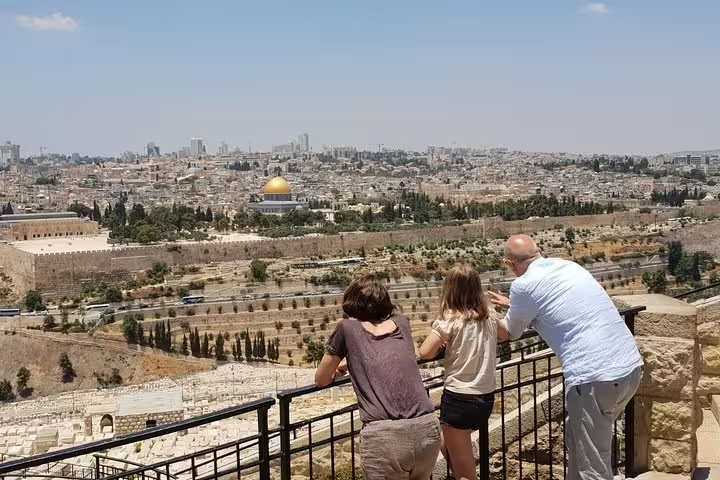


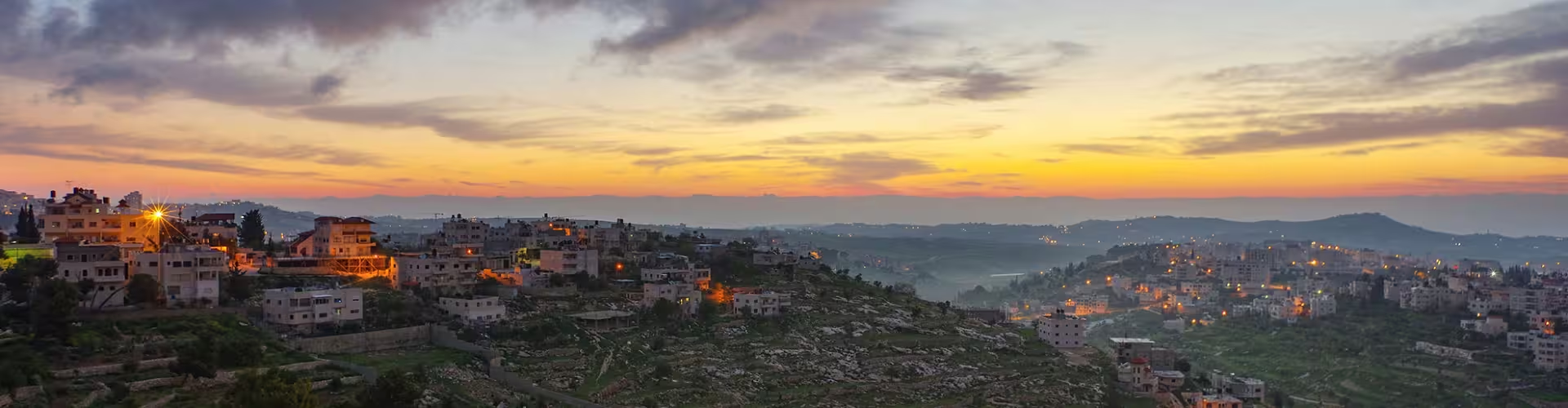




Palestine is a destination shaped by living history, layered sacred sites, and everyday hospitality that turns simple moments into lasting memories. Travelers come for the cultural depth, the food culture, and the chance to understand places that have influenced faith, art, and politics across the region. This guide focuses on practical trip planning, what to prioritize, and how to move through key areas with respect and confidence.
Palestine offers a powerful mix of spiritual landmarks, stone old towns, and a fast-moving contemporary scene where cafes, markets, and family kitchens still set the rhythm of the day. The signature vibe is reflective and human, you will feel the weight of history while also meeting people eager to share stories, directions, and tea. Go now if you want a destination where every walk becomes a lesson in culture, identity, and resilience, and where small choices, like where you eat and how you shop, can support local communities.
Palestine is in Western Asia, within the broader Levant region, close to major cultural hubs of the Eastern Mediterranean. Trip planning often revolves around reaching regional transport hubs and then continuing overland to the cities and towns you want to explore. Once you are on the ground, distances between many headline sites can be manageable, but route planning matters because travel conditions can vary by area and timing.
Seasonality shapes the experience as much as the sights do. Warmer periods can make midday walking in historic centers feel intense, so early starts and late afternoons tend to be more comfortable for exploration and photography. Cooler periods are often better for longer walking days, market browsing, and day trips, with a calmer pace that suits museum visits and time in old quarters.
Plan a flexible daily budget that covers transport, meals, and admissions where relevant, then keep a buffer for guided experiences and artisan shopping. Carry some cash for small purchases, markets, and quick snacks, and use cards when they are accepted for convenience. A practical approach is to split funds across a card and a small amount of cash so you can adapt to different payment situations during the day.
Walk an Old City Quarter
Why it matters: Historic streets in Palestine are not just scenic, they are living spaces where daily routines continue beside centuries of architecture. A slow walk reveals stonework, courtyards, small workshops, and the sensory rhythm of calls, aromas, and footsteps. Practical tip: Start early to enjoy quieter lanes, then return later for a different atmosphere when shops and cafes are busier.
Visit a Major Religious Landmark
Why it matters: Sacred sites are central to understanding the region’s cultural and spiritual identity, and they often sit within dense, historic neighborhoods worth exploring on foot. Even for nonreligious travelers, the artistry, rituals, and sense of place can be deeply moving. Practical tip: Dress modestly, speak softly, and plan extra time for security or entry procedures that can affect your schedule.
Explore a Local Market, Souk Culture
Why it matters: Markets are where you see everyday life most clearly, seasonal produce, spice blends, household goods, and street snacks all in one place. This is also a strong way to support local livelihoods through small purchases. Practical tip: Bring small bills, confirm prices before buying, and consider shopping near the end of the day for a more relaxed pace.
Try a Home-Style Restaurant or Family Kitchen
Why it matters: Food is one of the most direct ways to understand Palestine, recipes carry memory, migration, and local pride. A home-style meal often reflects regional ingredients and techniques better than a generic menu. Practical tip: Ask what is seasonal or what the kitchen is known for, then order that instead of defaulting to the most familiar dish.
Seek Out Contemporary Culture
Why it matters: Beyond heritage, you will find modern creativity in galleries, bookstores, cafes, and community spaces. These places add context, showing how artists and entrepreneurs respond to the present while drawing from tradition. Practical tip: Check for small exhibitions and evening events, then pair the visit with a nearby cafe to keep your itinerary walkable.
Take a Guided Walk for Context
Why it matters: A good guide can connect the dots between architecture, history, and daily life, and help you notice details you might miss alone. Guided experiences can also help travelers navigate complex narratives responsibly. Practical tip: Choose guides who emphasize cultural context, and ask questions about etiquette, photography norms, and recommended local businesses.
Photograph Stone Architecture and Street Details
Why it matters: The visual identity of many towns is defined by warm stone, arches, and layered streetscapes that change with the light. Thoughtful photography becomes a way to slow down and observe. Practical tip: Use early morning and late afternoon for softer light, and always ask before photographing people in close-up.
Plan a Food-Focused Evening
Why it matters: Evenings often bring a different energy, families out together, friends gathering, and a richer street-food scene. It is also a good time to try sweets and warm drinks that feel tied to local routines. Practical tip: Keep your route simple, choose a central area, and finish with dessert so you are not rushing between stops.
Start with a morning walk through a historic core, focusing on a main landmark and the surrounding lanes while the streets are quieter. Midday, shift to a market area for a simple lunch and a short shopping loop for spices, sweets, or small crafts. In the afternoon, add a museum or cultural space to deepen context, then finish your day with a relaxed dinner and a dessert stop so you experience the evening atmosphere without overpacking the schedule.
Day one, follow the highlights route but slow it down, add time for cafes, bookstores, and a longer market visit. Day two, prioritize contemporary culture, a guided walk for deeper historical framing, and a food-focused evening that includes both savory dishes and sweets. If you have a third day, use it for a day trip beyond the center, then return for a final evening stroll that revisits your favorite streets at a different time of day.
Maqluba
Taste profile: A comforting layered dish with a rich, savory depth that feels celebratory and home-centered. Ordering tip: Ask if it is prepared fresh that day, then plan time to eat slowly because it is often served as a full, filling plate.
Musakhan
Taste profile: Bold and aromatic, often built around warm spices and a satisfying balance of savory and tangy notes. Ordering tip: If you are sharing, order it as a centerpiece dish and add lighter sides to round out the table.
Falafel
Taste profile: Crisp outside, tender inside, with herbal notes that pair well with pickles and sauces. Ordering tip: Choose a spot with fast turnover so the falafel is hot, then eat it immediately for the best texture.
Hummus
Taste profile: Creamy and nutty, often served as a base for olive oil and simple toppings. Ordering tip: Order it early in the day or at a busy lunchtime spot, then pair it with fresh bread for the most satisfying experience.
Mutabbal or Baba Ghanoush
Taste profile: Smoky, silky, and savory, a strong companion to grilled items and salads. Ordering tip: Ask if the eggplant is roasted over flame, the smoky flavor is the point.
Knafeh
Taste profile: Sweet, rich, and textural, with a memorable contrast between crisp and soft layers. Ordering tip: Share one portion if it is your first time, it can be intensely sweet, and best enjoyed warm.
Many key areas are best explored on foot, especially historic quarters where narrow lanes reward slow walking and frequent stops. For longer hops between districts or towns, plan ahead and build time buffers, then keep your day flexible in case routes take longer than expected. If you use taxis or ride services where available, confirm the destination and expectations before you start, and keep key addresses saved offline so you can show them easily.
For safety and comfort, prioritize well-lit routes at night, travel with awareness in crowded areas, and respect local guidance around photography and sensitive locations. If you have mobility needs, note that older areas can include uneven stone surfaces and steps, so choosing a central base and planning shorter walking loops can make the experience smoother.
Historic towns and villages
Travel time: Varies by starting point and route. Reason to visit: A slower pace, traditional architecture, and a closer look at rural life and local crafts. Practical tip: Go earlier in the day so you have time to return before evening, and keep your plan simple with one main stop and a meal.
Landscape viewpoints and countryside walks
Travel time: Varies. Reason to visit: Open views, a change of rhythm from city streets, and a deeper sense of geography. Practical tip: Bring water, sun protection in warmer periods, and shoes suitable for uneven ground.
Cultural heritage sites outside major hubs
Travel time: Varies. Reason to visit: Added historical context and fewer crowds compared with the most famous landmarks. Practical tip: Pair one heritage stop with a nearby market or cafe so the day feels balanced rather than rushed.
Q1: How many days do I need for a first trip?
A: One day can cover a highlights loop, but it will feel fast-paced. Two to three days gives you time for markets, cultural spaces, and a day trip without rushing.
Q2: What is the best way to get around during the day?
A: Walking works best in historic centers because many streets are compact and full of small details. For longer distances, plan ahead, allow extra time, and confirm destinations clearly before you set off.
Q3: When is the most comfortable time of day for sightseeing?
A: Early morning and late afternoon are usually the most pleasant for long walks and photos. Midday is a good time to slow down with a meal or visit indoor cultural spots.
Q4: Is it easy to find local food specialties in Palestine?
A: Yes, many places serve classic dishes like hummus, falafel, and sweets, and you can often find more home-style options with a little searching. Ask what is seasonal or what the kitchen is known for to get the best experience in Palestine.
Q5: What should I pack for walking-heavy days?
A: Bring comfortable shoes, a refillable water bottle, and sun protection in warmer periods. A light layer is also useful for changing temperatures and for modesty in certain sites.