
Build your dream
experience

More to know about Madaba
Madaba Travel Guide
Madaba is Jordan’s mosaic city, a compact, walkable place where Byzantine era artistry, church domes, and everyday street life sit side by side. The appeal is simple, you can see world-famous ancient map mosaics in the morning, browse workshops and markets at midday, then be back for a relaxed dinner without long transfers. This guide focuses on practical planning so you can match your time, budget, and interests to the best experiences in Madaba.
Snapshot
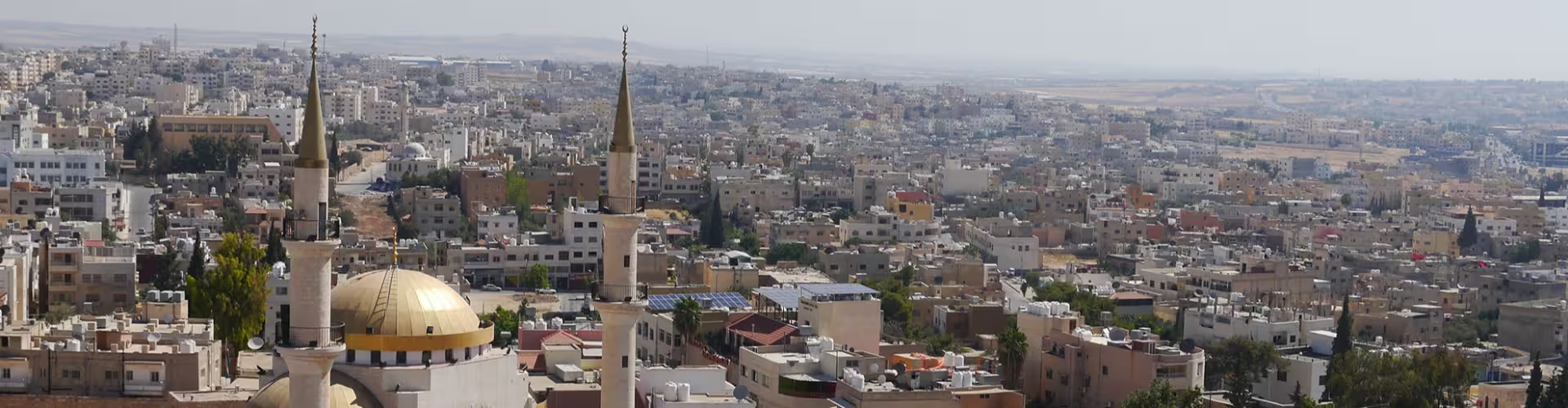
Madaba feels unhurried and human-scale, with a creative craft vibe shaped by mosaic studios, small museums, and local cafés. It is a strong choice right now if you want Jordan’s history without the logistical intensity of bigger, spread-out destinations. Come for the mosaics and sacred sites, stay for the easy pacing and the way day trips radiate out toward the Dead Sea and Amman.
🗺️ Geography and Logistics
📍 Orientation: Where is it within Madaba Governorate and Jordan?
Madaba sits in central Jordan within Madaba Governorate, positioned as a practical base between the capital region and several of the country’s headline landscapes. Many travelers route through Amman as the main hub, then continue onward to Madaba for a more relaxed stay. From here, you can plan short hops to the Dead Sea area and viewpoints above the Jordan Valley, then return to town for the evening.
🕒 When to Go: Seasonal breakdown
Jordan’s seasons shape your comfort more than your sightseeing options. Warmer months suit early starts and late afternoons, especially for outdoor viewpoints and day trips where midday heat can sap energy. Cooler months make walking around town and visiting churches more comfortable, and you can often linger longer in museums and workshops without rushing. If you prefer a quieter feel, aim for periods when group tours are less common, then build your day around calmer morning visits.
💰 Budget & Currency: Practical money tips
Plan for a mix of small daily expenses, transport between nearby sights, and admission fees for certain attractions, then keep extra flexibility for craft purchases because Madaba is known for mosaics and handmade souvenirs. Carry some cash for small shops, tips, and quick snacks, while keeping a card for larger bills where accepted. A simple budgeting approach is to set a daily baseline for meals and local transport, then add a separate amount for shopping so you do not have to compromise on experiences.
⭐ Essential Things to Do List
St. George’s Church and the Madaba Map. This is the signature experience in Madaba, famous for its ancient mosaic map tradition and its role in understanding the region’s historical geography. The atmosphere is respectful and contemplative, which makes the details feel more vivid when you slow down and look closely. Practical tip, visit earlier in the day for a calmer viewing experience and better light for photos.
Mosaic Workshops and Studios. Madaba mosaics are not just museum pieces, they are a living craft, and studio visits help you understand the patience and technique behind the art. Watching artisans work makes the city’s identity click, and it can turn a simple souvenir into something meaningful. Practical tip, ask about the difference between hand-set stone mosaics and faster methods so you can shop with confidence.
Madaba Archaeological Park. Archaeological parks in town let you connect the modern street grid with older layers of history, including decorative floors and excavated remains. This is ideal if you want context without committing to a long day trip. Practical tip, pair it with a nearby church visit so you can compare styles and motifs across sites.
Historic Churches and Sacred Spaces. Beyond the headline church, Madaba rewards travelers who enjoy religious art, stonework, and quiet interiors. The experience is less about ticking boxes and more about noticing how mosaics, iconography, and architecture reflect different periods. Practical tip, dress modestly and keep voices low, it improves your experience and shows respect.
Downtown Walking Loop. The center is compact, and a slow walk is one of the best ways to feel the city’s rhythm, with cafés, small shops, and everyday errands happening around you. It is also the easiest way to stumble into a mosaic gallery or a local bakery without planning. Practical tip, walk with a loose route in mind, then allow time to detour into side streets for shopping and photos.
Local Markets and Souvenir Shopping. Shopping in Madaba is often about craftsmanship and provenance, especially for mosaic pieces and locally made gifts. Browsing is part of the fun, and comparing a few shops helps you understand quality differences. Practical tip, decide what you want first, a small tile, a framed piece, or a practical item, then ask how it was made and where.
Sunset Viewpoints Above the Valley. The landscapes around Madaba shift quickly from town streets to big, open horizons. Sunset is when the light softens and the scenery becomes more dramatic, especially if you are looking toward the Jordan Valley. Practical tip, bring a light layer for breezy evenings and aim to arrive early so you can choose a good spot.
Relaxed Café Time. A destination like Madaba works best when you build in pauses, because the city’s charm is in its calm pace. A café break also helps you avoid sightseeing fatigue between churches, parks, and shops. Practical tip, use café time to plan your next move, confirm transport, and keep your day flexible.
🚶 Curated Itineraries
⏰ The Highlights (1 Day): A fast-paced “Best Of” route
Start with the main mosaic sites in the morning, including St. George’s Church and nearby heritage stops, while your energy is high and the streets are quieter. Continue with a short walk through the center for studio browsing and a simple local lunch. In the afternoon, visit an archaeological park or a museum-style stop for context, then finish with a sunset viewpoint and an easy dinner back in town.
⏰ Deep Dive (2-3 Days): Neighborhood exploration and local texture
Day one follows the highlights, but slows down to include workshop time and a more deliberate downtown walk. Day two adds a longer half-day outing beyond the center, then returns to Madaba for shopping and a relaxed evening. If you have a third day, use it for a second day trip in a different direction, then keep your final hours for last-minute mosaic purchases and café time.
🍽️ Flavors of Madaba
Mansaf. Jordan’s iconic dish is rich and celebratory, built around tender meat and a tangy yogurt sauce served with rice. Ordering tip, ask if it is served in a traditional sharing style so you know what portion to expect.
Maqluba. This “upside-down” rice dish is comforting and aromatic, often layered with vegetables and meat, then flipped for serving. Ordering tip, it can be filling, consider sharing if you plan more sightseeing afterward.
Falafel and Hummus. Crisp falafel with creamy hummus is a reliable, budget-friendly option that works for quick lunches between sites. Ordering tip, ask for it fresh and eat it soon after serving for the best texture.
Shawarma. A go-to street food, shawarma is savory, spiced, and convenient when you are moving between churches and shops. Ordering tip, specify your preferred add-ons such as pickles or extra sauce for a better balance.
Fresh Flatbread and Dips. Simple bread with labneh, olive oil, and seasonal sides is one of the most satisfying ways to eat slowly. Ordering tip, look for combinations that include local olive oil, it is often a highlight.
Mint Tea. Sweet, warming, and restorative, mint tea fits the relaxed pace of Madaba. Ordering tip, if you prefer less sugar, ask for it lightly sweetened.
🚌 Navigation & Transport
Madaba is best explored on foot in the central area, especially for churches, shops, and cafés, because the distances are short and the experience is more immersive. For viewpoints and day trips, plan on using a hired car, taxi, or arranged transport depending on your comfort with logistics and timing. Keep a small buffer in your schedule so you are not rushed between stops, and prioritize safe road behavior, seatbelts, and clear pickup points when arranging rides.
🌄 Beyond the Center: Day Trips
Mount Nebo. A classic nearby outing, known for viewpoints and its place in regional religious history. Travel time is short from Madaba, making it easy to pair with other stops. Go for the panoramic views and reflective atmosphere.
Dead Sea. The Dead Sea area is one of Jordan’s most distinctive landscapes, famous for its hypersaline water and dramatic surroundings. It works well as a half-day or full-day escape from town. Go for the unique floating experience and the scenery.
Amman. The capital is the main urban hub and a practical add-on for museums, food, and city life. Travel time is manageable, so you can visit for a day and return to Madaba for a quieter evening. Go for a contrast in pace and scale.
Jordan Valley Viewpoints. The terrain drops away into broad, cinematic vistas that are especially striking in soft light. This is a strong choice if you want photography and open space near town. Go for the big-sky feeling and layered landscapes.
✅ Insider Tips for Travelers
- Start early for mosaic sites if you want a calmer atmosphere and clearer photo opportunities.
- Build your day around a simple loop, then add optional stops so you can adapt to weather and energy levels.
- For Madaba mosaics, ask how the piece was made and what materials were used before you buy.
- Carry small cash for quick purchases and tips, then keep a card available for larger payments where accepted.
- Dress modestly for churches and sacred spaces, and keep voices low inside.
- Plan sunset time for viewpoints, and bring a light layer for cooler evenings.
- Confirm pickup points and timing clearly when arranging taxis or private rides for day trips.
❓ Frequently Asked Questions, FAQ
What is Madaba best known for?
Madaba is best known for its mosaic heritage, especially the famous map mosaic tradition associated with St. George’s Church. The city also stands out for its walkable center and easy access to nearby viewpoints and day trips.
How many days do I need in Madaba?
One day covers the main mosaics and a downtown walking loop at a brisk pace. Two to three days lets you add workshops and at least one or two nearby day trips without feeling rushed.
Is Madaba walkable for sightseeing?
The central area is generally well-suited to walking because key sights, shops, and cafés are close together. For viewpoints and destinations outside the center, you will want a taxi, hired car, or arranged transport.
What should I wear when visiting churches and sacred sites?
Choose modest clothing that covers shoulders and knees to be respectful in religious spaces. Comfortable walking shoes are also helpful because you will likely combine church visits with time on foot in the center.
What are the easiest day trips from Madaba?
Popular nearby options include Mount Nebo, the Dead Sea, and Amman, depending on the experience you want. These trips are often combined with viewpoints over the Jordan Valley for scenery and photos.
This destination guide was created by Toursxplorer.com to help travelers plan a practical trip to Madaba, Jordan, with clear sightseeing priorities and logistics. It summarizes key experiences in the city and outlines nearby day trips to support efficient routing.
Middle East, Jordan, Madaba Governorate, Madaba