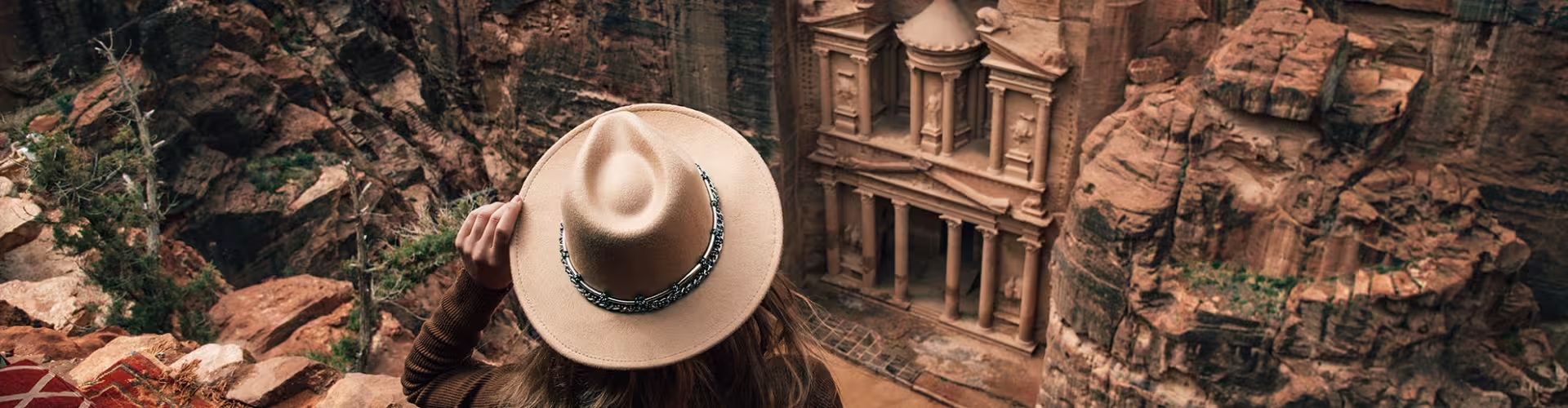


Petra is Jordan’s most iconic archaeological destination, a rose colored city carved into sandstone and revealed through a dramatic desert canyon. The experience is part ancient history, part cinematic landscape, with long walking routes, steep viewpoints, and quiet corners that reward patience. This guide helps you plan a smart visit to Petra, from timing and logistics to what to prioritize once you are inside.
Petra feels like a place built for awe, narrow passages opening into monumental facades, echoing rock walls, and sudden panoramas over the Wadi Musa valley. Go for the scale and craftsmanship of the Nabataean capital, then stay for the trails that lead beyond the famous photo spots. It is a destination that rewards early starts and steady pacing, especially if you want both highlights and breathing room.
Petra is located in southern Jordan in Ma’an Governorate, with the modern gateway town of Wadi Musa serving as the main base for visitors. Most travelers approach from Amman or Aqaba, using these cities as transport hubs before continuing overland to the site. Plan your trip around where you will sleep, because starting early is one of the biggest advantages you can give yourself here.
Conditions in the Petra region shift across the year, with cooler periods generally feeling more comfortable for long hikes and exposed viewpoints. Warmer periods can be more physically demanding, especially on uphill trails with limited shade, so earlier starts become even more important. Crowd levels often track with comfortable weather, so if you prefer quieter paths, prioritize early mornings and consider adding an extra day to spread out your sightseeing.
Jordan uses the Jordanian dinar, and it helps to carry a mix of payment options for day to day travel needs. In Wadi Musa, you will likely find places that accept cards, but having cash is useful for small purchases and tips. Budget for transport between hubs and Wadi Musa, food, and any guided services you choose, then keep a buffer for extra water and snacks on long walking days.
Siq Walk to the Treasury, The approach through the Siq is part of the magic, with towering rock walls and a sense of anticipation as the canyon narrows. It frames the reveal of the Treasury in a way that photos cannot fully capture. Practical tip, start early to enjoy softer light and fewer people in the passage.
The Treasury Viewpoints, The Treasury is the signature landmark of Petra, and it is worth seeing from more than one angle to understand its scale and setting. Viewpoints above shift the perspective from postcard to panorama. Practical tip, pace yourself and carry water, because the climb can feel steep in the heat.
Street of Facades and Royal Tombs, These carved fronts show how extensive the city once was, with layers of history etched into the rock. The tombs create a powerful sense of place, especially when the light warms the sandstone. Practical tip, visit later in the day if you want richer colors, but keep enough time to return before it gets dark.
The Monastery Hike, The walk to the Monastery is one of the most rewarding routes, combining a steady climb with a dramatic payoff at the top. It feels more expansive and less confined than the Siq, with wide views and open sky. Practical tip, take breaks, and plan this for a day when your legs are fresh.
High Place View Trails, Petra’s viewpoints are not only for photos, they help you read the landscape and understand why the Nabataeans chose this setting. From above, you see how paths, cliffs, and carved structures connect. Practical tip, wear footwear with grip, because uneven stone and sand can be slippery.
Nabataean Engineering Details, Beyond the headline monuments, look for carved channels, water management features, and the way structures are integrated into the rock. These details turn the visit from sightseeing into understanding. Practical tip, slow down, and consider a guide if you want deeper context without guessing.
Sunrise or Late Afternoon Photography, The sandstone shifts color through the day, and the site can look completely different depending on the light. Early and late hours also tend to feel calmer and cooler. Practical tip, prioritize one key spot for golden light, and arrive before the best moment to avoid rushing.
Wadi Musa Evening Wind Down, After long hours on foot, the gateway town is where you reset, rehydrate, and plan the next day. The contrast between ancient silence and modern hospitality is part of the rhythm of visiting Petra. Practical tip, prepare what you need the night before so you can start early without stress.
Start early from Wadi Musa and head straight through the Siq to the Treasury before the main flow builds. Continue onward to the Street of Facades and the Royal Tombs, then decide whether to push toward the Monastery depending on your pace and energy. Keep your route realistic, because Petra is larger than it looks on a map, and the walking adds up quickly.
Use day one to cover the classic route at a comfortable pace, with time for detours and quieter corners. Reserve another day for the Monastery and one or more viewpoint trails, giving yourself time to rest between climbs and to revisit a favorite spot in different light. A multi day plan also helps you handle weather swings and crowd patterns without feeling like you are racing the clock.
Mansaf, Jordan’s celebratory dish, rich and savory with tender meat and a distinctive yogurt based sauce. Ordering tip, ask if it is served as a shared platter, because it is often meant for groups.
Maqluba, A comforting layered rice dish that is flipped before serving, with a homestyle flavor profile. Ordering tip, it can be filling, so consider sharing if you have a big walking day planned.
Falafel and Hummus, Simple, satisfying, and easy to find, ideal when you want something quick between plans. Ordering tip, pair with fresh bread and a side of salad for a balanced meal.
Shawarma, A go to street style option, savory and spiced, good for refueling after long hikes. Ordering tip, ask for extra pickles or sauce if you want more punch.
Arabic Coffee or Mint Tea, A warming ritual that suits the desert atmosphere, often served strong and fragrant. Ordering tip, take it slow, and treat it as a rest stop rather than a quick drink.
Kunafa, A sweet, cheesy pastry soaked in syrup, best when fresh and warm. Ordering tip, share a portion if you want dessert without feeling too heavy.
Inside Petra, walking is the core mode of travel, and the main challenge is managing distance, elevation, and uneven ground. If you are staying in Wadi Musa, plan your day around an early departure and a clear return plan, especially if you are doing longer hikes like the Monastery route. For travelers with mobility concerns, focus on the most accessible stretches, take frequent breaks, and prioritize stable footwear and sun protection.
Wadi Rum, A dramatic desert landscape known for vast sandstone formations and wide open horizons. Travel time varies by route and transport, so plan it as a full day or an overnight for the best experience.
Aqaba, Jordan’s Red Sea gateway, ideal if you want a change of pace after hiking, with a coastal atmosphere and water based relaxation. Travel time varies, so pair it with a longer southern Jordan loop.
Amman, The capital is a practical hub for flights and onward travel, and it adds a modern urban contrast to your archaeological itinerary. Travel time varies, so it is best used as the start or end anchor of a Jordan trip.
Dead Sea, A classic Jordan experience for floating and recovery after active days. Travel time varies from southern Jordan, so consider it when routing back toward central areas.
Q1: Where do most travelers stay when visiting Petra?
A: Most visitors base themselves in Wadi Musa, which is the main gateway town for the archaeological site. Staying nearby makes it easier to start early and return for a break between long walks.
Q2: How many days should I plan for Petra?
A: One day can cover the main highlights if you move quickly and start early. For a more comfortable pace and extra trails, two to three days in Petra is a better fit.
Q3: Is Petra a difficult visit for people who do not hike often?
A: It can be physically demanding because distances are long and some routes include steep climbs and uneven ground. Choose a highlights focused day, take breaks, and prioritize stable footwear and hydration.
Q4: What is the best time of day for photos inside Petra?
A: Early morning and late afternoon often provide softer light and richer sandstone tones. These hours can also feel less crowded, which helps if you want cleaner compositions.
Q5: Can I combine Petra with Wadi Rum or Aqaba in the same trip?
A: Yes, many travelers build a southern Jordan loop that includes both. Keep travel time in mind and avoid stacking multiple long transfer days back to back, especially after big walking days in Petra.