Taba sits on Egypt’s northeastern edge in the South Sinai Governorate, where desert mountains meet the Gulf of Aqaba. It is a practical base for travelers who want sea views, wide open landscapes, and easy border region logistics without the intensity of a big resort city. Think calm days, big horizons, and excursions that combine nature, culture, and photography friendly viewpoints.
Taba is defined by a quiet coastal vibe, dramatic Sinai scenery, and a sense of being at a crossroads between Egypt and the wider Gulf of Aqaba region. It suits travelers who want a slower pace, scenic drives, and day trips that feel expansive rather than crowded. Go now if you are prioritizing space, clear views, and a base that makes multi stop itineraries easier.
Taba is in Egypt’s South Sinai Governorate on the Gulf of Aqaba, close to the tri point area linking Egypt with neighboring destinations across the border region. The setting is coastal, backed by rugged desert mountains, which shapes both the views and the types of excursions available. For air access, travelers typically route through major Sinai gateways and larger national hubs, then continue by road to the coast.
Plan around the balance you want between warmth and comfort. Hotter periods favor early starts, shaded breaks, and water focused days, while cooler periods are better for longer outdoor excursions and scenic drives. Crowd levels are generally influenced by school holidays and regional travel peaks, so booking and transport planning matter more during those windows.
Carry a mix of cash and cards for flexibility, especially for smaller purchases and transport tips. Build your budget around accommodation style, day trips, and dining preferences, with extra buffer for longer drives and organized excursions. If you are moving between multiple stops, keep small denominations handy to make payments smoother.
Gulf of Aqaba shoreline time. The coast is the core of the Taba experience, with open water views and a relaxed rhythm that makes it easy to reset. It matters because the scenery is the destination, and the pace encourages unhurried days. Practical tip, schedule your beach time around the light, mornings and late afternoons are often best for comfort and photos.
Sinai mountain viewpoints. The mountains behind town create a dramatic backdrop that defines the area’s character. It matters because a short drive can shift the atmosphere from seaside calm to stark desert grandeur. Practical tip, bring layers and water, conditions can feel different once you leave the coast.
Scenic coastal drive. Driving along the Gulf of Aqaba corridor is a simple but memorable activity, with changing angles of sea and rock. It matters because it turns transit into a highlight and helps you understand the region’s scale. Practical tip, plan stops for viewpoints and keep your camera accessible, the best moments are often unplanned.
Border region perspective. Taba is known for its frontier geography, which adds a distinctive sense of place. It matters because it frames the town as a meeting point of routes, cultures, and landscapes. Practical tip, keep your passport and travel documents organized if your plans involve any cross border logistics.
Desert atmosphere and stargazing. Away from bright urban centers, the night sky can become part of the itinerary. It matters because the desert setting is not only visual, it is experiential, quiet, spacious, and cinematic. Practical tip, bring a light jacket and a small flashlight, and choose a safe, designated spot rather than wandering far off road.
Photography focused golden hour walk. The interplay of sea, mountains, and open sky creates strong compositions. It matters because the destination rewards slow observation, not just checklist sightseeing. Practical tip, aim for sunset and keep a simple lens cleaning cloth handy, coastal air can leave a film on gear.
Relaxed resort style downtime. Many travelers use Taba as a base to rest between excursions. It matters because the region lends itself to recovery days, especially if you are combining multiple stops in South Sinai. Practical tip, plan one low effort day after a long drive or day trip to keep your schedule sustainable.
Local dining and casual cafés. Food is a practical window into daily life and a way to slow down. It matters because dining can be one of the easiest ways to experience the area without overplanning. Practical tip, eat earlier if you want a quieter atmosphere, and ask what is freshest that day.
Start with a calm morning on the Gulf of Aqaba shoreline for views and an easy pace. Midday, take a short scenic drive toward mountain viewpoints for a change of scenery and wide angle photos. Finish with a sunset walk back on the coast, then a relaxed dinner focused on grilled items and simple local sides.
Day one, keep it coastal and unhurried, build in beach time, short walks, and a sunset session for photography. Day two, go deeper into the Sinai landscape with a longer drive to viewpoints and desert atmosphere, then return for an early evening meal. Day three, keep flexible for a day trip beyond town, or use it as a recovery day with light exploring and food focused stops.
Grilled fish. Expect clean, simple flavors that let the seafood lead, often paired with lemon and basic sides. Ordering tip, ask what catch is freshest today and choose that rather than defaulting to a familiar name.
Kofta. Spiced minced meat grilled for a smoky, savory profile that is easy to share. Ordering tip, pair it with salad and bread to balance richness and make it a full meal.
Kebab. Skewered grilled meat with a charred edge and tender center when done well. Ordering tip, ask for it well cooked but not dry, and add tahini or a tangy sauce if available.
Falafel. Crisp outside and soft inside, a dependable option for a quick bite. Ordering tip, ask for it freshly fried and eat it right away for the best texture.
Foul medames. Warm, hearty fava beans with savory seasoning, often a breakfast staple. Ordering tip, request extra lemon or olive oil to adjust the flavor to your taste.
Mint tea. Light, aromatic, and ideal for slowing down after a hot day. Ordering tip, if you prefer less sweetness, ask for it with minimal sugar.
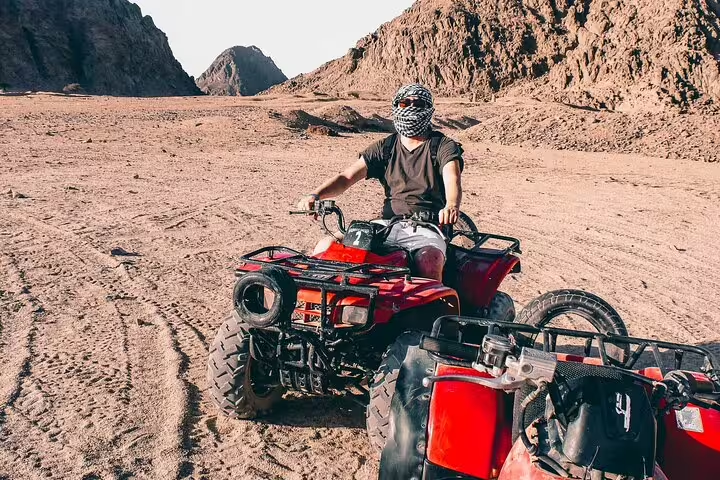
Taba works best with a plan that mixes short walks near your accommodation with car based movement for viewpoints and day trips. Walking is suitable for relaxed coastal stretches, but distances between major stops can be long once you leave the immediate seaside area. For longer routes, arrange a driver or organized transport, and confirm pickup points in advance so you are not waiting in the heat. Keep basic safety in mind, stay hydrated, carry sun protection, and avoid unplanned off road detours unless you are with a qualified guide.
Gulf of Aqaba coastal viewpoints. Short drives can deliver new angles on the sea and mountains, ideal for photography and quiet stops. Primary reason to visit, scenery and perspective shifts that make the region feel bigger than a single beach.
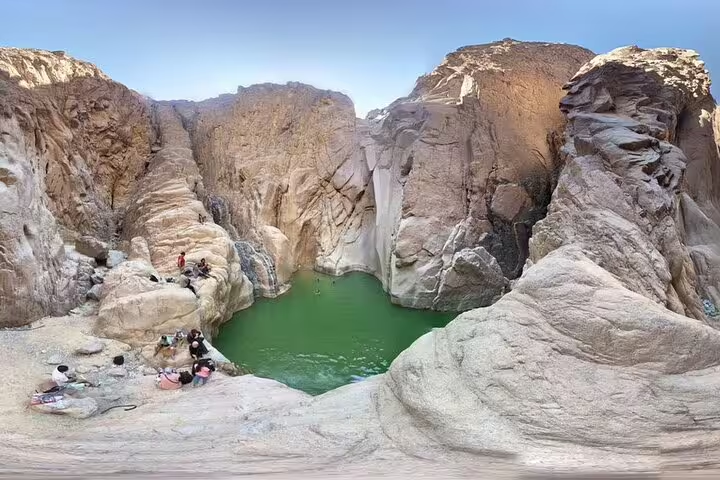
South Sinai desert landscapes. Head inland for a different texture of travel, rock formations, open horizons, and a stronger sense of isolation. Primary reason to visit, the classic Sinai contrast between coast and desert.
Neighboring border region stops. The area’s frontier geography can shape day plans depending on your route and documentation. Primary reason to visit, to understand the crossroads identity of Taba and its role in regional travel corridors.
Is Taba better for relaxing or sightseeing?
It is strong for relaxing, especially if you like coastal views and a slower pace. Sightseeing is best approached through scenic drives and day trips rather than dense city style attractions.
How many days should I spend in Taba?
One day covers the highlights at a relaxed pace, especially if your focus is the shoreline and viewpoints. Two to three days gives room for a day trip and a recovery day.
What is the best way to get around locally?
Walking works for short coastal stretches near where you are staying. For longer distances and viewpoints, arrange a driver or organized transport and confirm pickup details in advance.
When is the best time of day for photos in Taba?
Sunrise and sunset usually offer softer light and more dramatic color on the sea and mountains. Midday light can be harsh, so plan shaded breaks and save viewpoints for later.
What should I pack for a Taba trip?
Bring sun protection, comfortable walking shoes, and a refillable water bottle for warm conditions. Add a light layer for evenings, especially if you plan to spend time outside after dark.