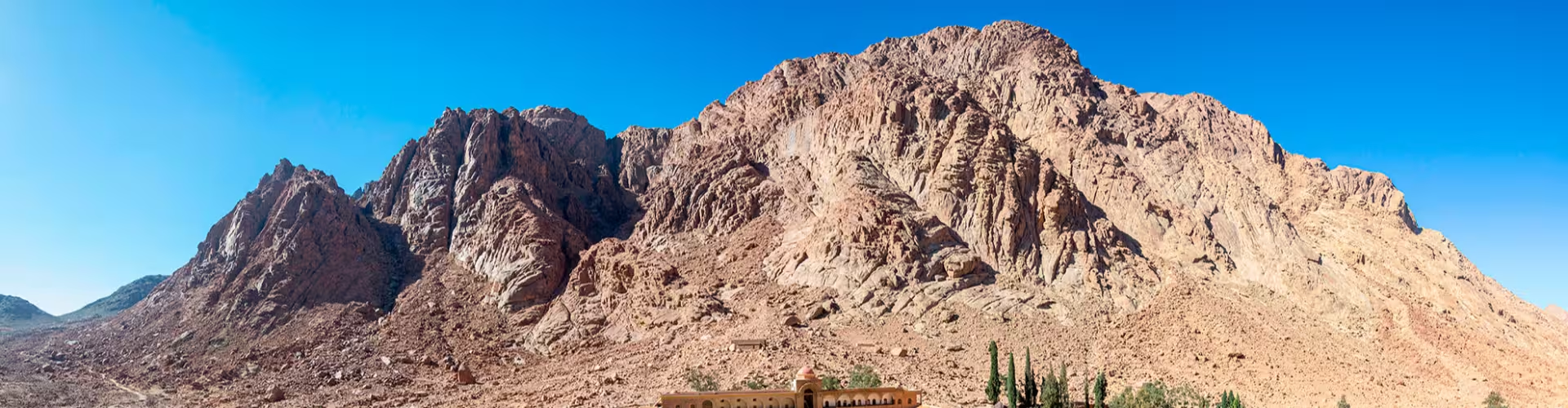


Mount Sinai is one of Egypt’s most evocative highland landscapes, where rugged granite peaks, desert silence, and living monastic tradition shape a journey that feels both physical and reflective. Travelers come for the iconic summit climb, the spiritual heritage tied to the Sinai Peninsula, and the rare mix of raw wilderness and hospitality found around Saint Catherine. This guide focuses on practical decision support, what to prioritize, how to pace your time, and how to experience Mount Sinai with respect and confidence.
Mount Sinai delivers a signature vibe that is stark, elevated, and timeless, with cool mountain air and wide horizons that change color by the hour. Go now if you want a destination that rewards early starts and slow evenings, where the main attraction is not a single monument but a whole atmosphere of altitude and history. It is the kind of place where logistics matter, because the best moments often happen before dawn and far from city services.
Mount Sinai sits in Egypt’s South Sinai Governorate, in the mountainous interior of the Sinai Peninsula, near the town area commonly associated with Saint Catherine and its monastic heritage. The setting is distinctly different from Egypt’s Nile cities, with higher elevations, sharper temperature swings, and a sense of remoteness that shapes every plan. For gateways, travelers typically route through major Egypt transport hubs and then continue overland into South Sinai, planning buffers for mountain roads and limited services once you are in the highlands.
Seasonality here is less about rain and more about temperature and visibility. Cooler months generally support longer hikes and more comfortable nights, while hotter periods can make daytime movement feel intense and increase the value of starting very early. Crowd levels often rise when conditions are mild, especially around peak sunrise experiences, so planning your approach time and choosing less crowded moments can shape the entire trip. If your goal is a summit experience, align your timing with rest, layers, and realistic pacing rather than trying to squeeze the climb into an already packed day.
Budgeting for Mount Sinai is mainly about transport, guiding support if you choose it, and food and essentials in a remote area. Carry cash in Egyptian pounds for small purchases and simple meals, because mountain destinations can have more limited card acceptance than major cities. Keep a small reserve for unexpected needs like extra water, snacks, or a warm layer if temperatures drop. Treat spending as part of safety planning, because the most useful purchases here are often the practical ones.
Summit Hike for Sunrise
This is the defining experience, because the climb turns the landscape into a story of effort and reward, with changing light revealing the scale of the Sinai mountains. The quiet at altitude is part of the appeal, especially as the horizon brightens. Practical tip, pace yourself and treat warmth as essential, because pre dawn conditions can feel much colder than expected.
Sunset and Stargazing Moments
The high desert sky and low light pollution make evenings feel expansive, and the temperature shift often brings relief after daytime heat. Even without technical astronomy, the sensation of space and stillness is memorable. Practical tip, bring a headlamp and keep your route simple, because darkness arrives quickly and terrain can be uneven.
Monastic Heritage Near Saint Catherine
The area is closely tied to long running religious tradition, and the cultural gravity of the monastery landscape is part of what makes Mount Sinai more than a hike. Even for non religious travelers, it offers a rare view into continuity, preservation, and desert life. Practical tip, dress modestly and keep your voice low, because the setting is active and reverent rather than purely touristic.
Bedouin Hospitality and Local Knowledge
Local communities have deep expertise in routes, weather shifts, and how to move through the mountains safely. Engaging respectfully can add context to the landscape, turning viewpoints into stories and practical guidance. Practical tip, ask clear questions about pacing, rest points, and what to carry, because small details matter more at altitude.
Photography of Granite Peaks and Desert Texture
The visual character here is all about contrast, hard rock lines, and soft desert tones that change with the sun angle. Even simple phone photos can look dramatic when you frame scale with people or trail lines. Practical tip, protect your gear from dust and keep batteries warm, because cold can drain power quickly during early starts.
Quiet Time at Viewpoints
One of the most underrated activities is simply stopping, sitting, and letting the silence do the work. The mountain environment encourages reflection, and it can be a reset from busier Egyptian destinations. Practical tip, plan intentional pauses, because rushing reduces both safety and enjoyment on steep sections.
Short Walks and Acclimatization Time
Not every visitor needs an all in summit push immediately. Shorter walks help you learn the terrain, test footwear, and understand how your body handles the elevation and dryness. Practical tip, use your first hours to hydrate and adjust, because dehydration can feel like fatigue and spoil the next day.
Local Craft and Simple Souvenirs
Small locally sold items can be meaningful when they connect to place rather than mass production. Buying modestly and thoughtfully can support local livelihoods in a remote region. Practical tip, carry small bills and shop calmly, because bargaining culture can exist but should stay respectful.
Plan a single day around one main anchor experience, ideally the Mount Sinai summit hike or a monastery focused visit, not both at full intensity. Start with a very early departure to match the coolest hours, then build in a long rest window afterward for recovery and food. Use the remaining time for a gentle viewpoint walk, simple local meal, and an early night, because fatigue can accumulate quickly in dry mountain air.
With two to three days, you can balance effort with context. Dedicate one day to acclimatization and a cultural focus near Saint Catherine, keeping movement light and learning the terrain. Choose a second day for the major hike, building in recovery time and a calm evening. If you have a third day, use it for slow exploration, photography in shifting light, and a flexible plan that adapts to weather and energy levels.
Mint Tea
Fresh and aromatic, it is a classic comfort in desert regions and pairs well with cool evenings. Ordering tip, ask for it lightly sweetened if you prefer a cleaner herbal taste.
Black Tea
Stronger and more direct, it is often served as a warming drink after early starts. Ordering tip, request it without too much sugar if you want the tea flavor to lead.
Flatbread
Simple bread is a staple that works with nearly any meal and travels well for hikes. Ordering tip, ask for it warm if possible, because texture and flavor improve immediately.
Grilled Chicken
A reliable option that feels satisfying after a long walk, usually seasoned simply and served with bread or rice. Ordering tip, ask what the side is before you commit, because portion styles can vary.
Rice Dishes
Mild, filling, and practical, rice based plates are common for travelers who want steady energy without heavy spice. Ordering tip, pair it with a small salad or vegetables when available for balance.
Lentil Soup
Earthy and warming, lentil soup is a classic comfort food that suits cooler mountain evenings. Ordering tip, check if lemon is available, because a squeeze can brighten the flavor.
Movement around Mount Sinai is a mix of overland driving to reach the highland area and then walking or hiking for the core experiences. Within the immediate mountain and Saint Catherine area, many key moments happen on foot, so footwear and pacing matter more than speed. For longer connections, plan transport in advance, because remote regions can have fewer spontaneous options than coastal resort towns. Safety note, carry water, a light source for early or late movement, and layers for temperature swings, because conditions can change quickly with elevation and time of day.
Saint Catherine Area Exploration
Travel time, short local transfers depending on your base. Primary reason to visit, cultural context and a deeper sense of place beyond the summit narrative.
Sinai Mountain Viewpoints
Travel time, variable depending on route and starting point. Primary reason to visit, wide panoramas and quieter alternatives to the most popular paths.
Desert Walks with Local Guidance
Travel time, typically local and route dependent. Primary reason to visit, a closer look at desert ecology, track reading, and the lived geography of South Sinai.
Coastal South Sinai Connections
Travel time, longer overland drives depending on destination. Primary reason to visit, contrast, swapping cool mountain air for Red Sea breezes and a different rhythm of travel.
Is the Mount Sinai summit hike suitable for beginners?
Many travelers attempt it, but it is still a mountain hike that demands pacing, hydration, and warm layers. If you are unsure, build in acclimatization time and consider local guidance for confidence.
How early should I start for sunrise?
Start times depend on your pace and the route conditions, so plan backward from sunrise with a generous buffer. Beginning earlier also reduces stress and usually means cooler temperatures.
What should I wear for Mount Sinai?
Wear sturdy walking shoes and bring layers, because pre dawn and summit conditions can be much colder than lower elevations. Modest clothing is also important near religious and cultural sites.
Do I need cash in the Mount Sinai area?
Yes, carrying Egyptian pounds in small bills is practical for snacks, simple meals, and small purchases. Card acceptance can be limited compared with major cities.
How many days do I need to enjoy the area properly?
One day can cover a single headline experience, but two to three days allows a better balance of hiking, rest, and cultural context. Extra time also helps you adapt plans to weather and energy levels.