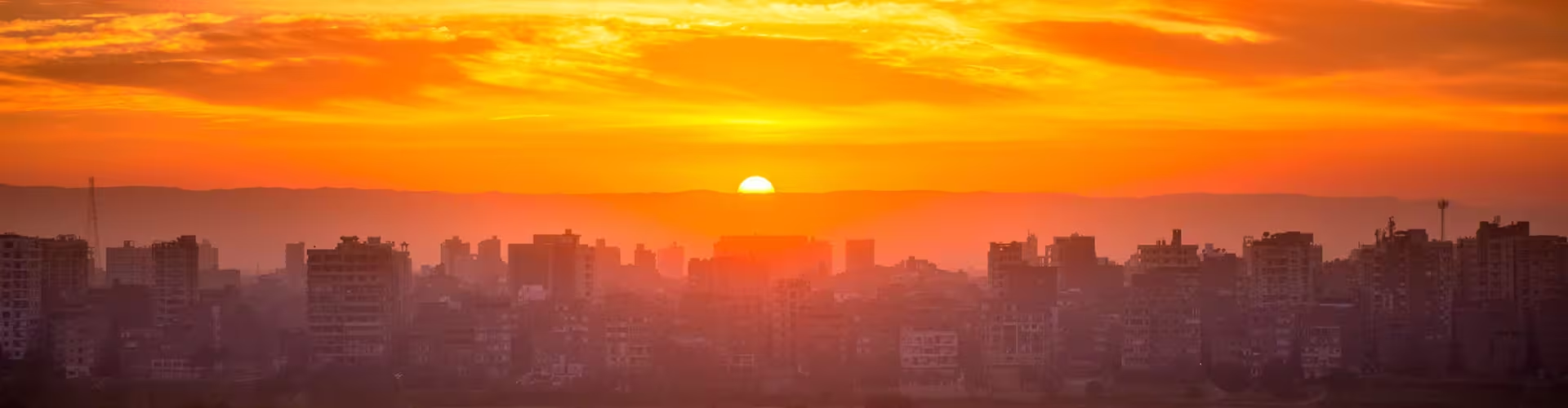


Sohag is a Nile Valley city in Upper Egypt that rewards travelers who want a calmer, more local-paced base for exploring ancient sites and everyday river life. The appeal is in its understated atmosphere, where heritage, faith, and daily routines sit close together, and where you can slow down and notice details that busier hubs can blur. Use this guide to plan smarter routes, choose the right season, and build an itinerary that balances history, food, and practical logistics.
Sohag feels grounded and authentic, with a Nile-side rhythm and a strong connection to Upper Egypt’s history and traditions. It is a strategic stop for travelers interested in temples, monasteries, and lesser-visited archaeological areas without the pressure of heavy crowds. Go now if you want more breathing room in your schedule, more spontaneous local interactions, and a trip that leans into discovery rather than checklists.
Sohag sits in Upper Egypt along the Nile, within Sohag Governorate, a region defined by river agriculture, desert edges, and a long archaeological timeline. For most visitors, the easiest planning approach is to think in hubs, then connect onward: Cairo is the primary international gateway for Egypt, while Upper Egypt routes often connect through major Nile Valley cities. When you map your trip, place Sohag as a practical base for nearby heritage sites, then decide whether you will continue north toward Cairo or south toward other Upper Egypt stops.
Upper Egypt is typically hottest in summer, with strong sun and dry air that can make midday sightseeing feel intense, especially at open-air archaeological sites. Cooler months are generally more comfortable for long walks, temple visits, and full-day excursions because you can stay outside longer without rushing. If you prefer quieter lanes and a more local feel, aim for travel windows that avoid peak holiday surges, then build your sightseeing around early mornings and late afternoons for softer light and easier pacing.
Egypt uses the Egyptian pound, and it is wise to carry cash for small purchases, local transport, tips, and quick snacks. Cards can work in some formal settings, but cash keeps your day moving, especially when you are hopping between neighborhoods or arranging short rides. For budgeting, plan a flexible daily buffer for transport and spontaneous stops, then keep larger payments, like accommodation, separated so you can track spending without stress.
Abydos Temple Complex
Abydos is one of Egypt’s most historically resonant sacred landscapes, associated with ancient pilgrimage and royal memory. Visiting helps you understand how religion, kingship, and art shaped Upper Egypt over centuries. Practical tip, start early to enjoy cooler air and clearer photo angles, then bring water and sun protection because shade can be limited.
Dendera Temple (as a regional highlight)
Dendera is often discussed among Egypt’s standout temple experiences for its monumental scale and distinctive decorative program. Pairing it with Sohag planning can strengthen a wider Upper Egypt route that goes beyond a single city. Practical tip, treat it as a full excursion day and confirm your transport plan in advance so you are not negotiating under time pressure.
White Monastery (Deir el Abyad)
The White Monastery is a powerful window into Coptic heritage in Upper Egypt, where faith, architecture, and community history intersect. The experience is as much about atmosphere as it is about details, because the setting conveys continuity across generations. Practical tip, dress modestly and keep your voice low, then ask before photographing people or sensitive areas.
Red Monastery (Deir el Ahmar)
Often paired with the White Monastery, the Red Monastery adds depth to a day focused on Coptic sites and regional identity. Seeing both helps you compare materials, design, and the way sacred spaces sit within the local landscape. Practical tip, plan a simple route with a driver or organized transport so you can focus on the visit rather than navigation.
Nile Corniche Stroll
A riverside walk is one of the best ways to feel the everyday pulse of Sohag, especially in the late afternoon when the light softens. It is a low-cost, high-reward activity that balances more intensive heritage touring. Practical tip, go near sunset for photos and cooler temperatures, then keep small change handy for snacks and tea stops.
Local Markets and Street Life
Markets reveal the practical side of Upper Egypt, from produce and spices to household goods, and they are ideal for travelers who like observing daily routines. The value here is cultural context, you learn what people buy, how they bargain, and what flavors define home cooking. Practical tip, browse first, then buy, and keep your valuables secure in crowded areas.
Upper Egypt Food Tasting
Food is a direct route into local culture, and in Sohag you can focus on filling, comforting dishes that suit the climate and lifestyle. A tasting mindset helps you order smaller portions across multiple stops rather than committing to one heavy meal. Practical tip, ask what is freshest today, then follow with a simple tea or mint drink to reset your palate.
Archaeology-focused Day Trip Planning
Even if you do not join a formal tour, you can structure your day like an archaeologist, with early starts, breaks, and time for observation. This approach makes major sites feel less like a rush and more like a story you can read slowly. Practical tip, carry a small notebook or offline notes so you can track what you saw and connect it later.
Start with an early departure for Abydos Temple so you can explore before the day heats up, then take a short rest break with water and a light snack. Return toward Sohag for a Nile Corniche walk in the late afternoon to reset your pace and capture golden-hour views. End your day with a focused local dinner, choose one signature dish and one small side, then finish with tea for a simple, satisfying close.
Day 1, dedicate your morning to Abydos and your afternoon to a slow riverside walk, then add a market visit for everyday context. Day 2, plan a Coptic heritage day with the White Monastery and Red Monastery, then keep your evening flexible for a relaxed meal and a second Corniche stroll. If you have a third day, expand your Upper Egypt circuit with a longer excursion such as Dendera Temple, then return to Sohag for a calm final evening and packing time.
Baladi bread
Soft, hearty, and ideal for scooping, this staple anchors many meals and pairs well with dips and stews. Ordering tip, ask for it fresh if available, then use it to sample small plates without needing extra cutlery.
Ful medames
A slow-cooked fava bean dish with a comforting, savory profile that works well for breakfast or a light lunch. Ordering tip, ask for your preferred toppings, then balance it with bread and something acidic if offered.
Taameya
Egypt’s fava-based version of falafel, crisp outside and tender inside, often served as a quick street-food bite. Ordering tip, request it hot and freshly fried, then pair it with pickles for contrast.
Koshari
A filling mix of grains and pasta with a tangy sauce profile that makes it popular for budget-friendly meals. Ordering tip, start with a smaller portion if you are sampling multiple foods, because it can be very satisfying.
Molokhia
A green, aromatic soup or stew with a distinct texture, often enjoyed as a comforting home-style dish. Ordering tip, ask what it is served with today, then try it alongside rice or bread to understand the full pairing.
Grilled meats and kebab-style plates
Smoky, savory, and typically served with bread and sides, these plates are a dependable choice after a long sightseeing day. Ordering tip, ask for a mixed plate if available so you can taste more than one style without over-ordering.
Mint tea
Fragrant and soothing, mint tea is a simple ritual that fits naturally into breaks between sites. Ordering tip, take it after a meal or during an afternoon pause, then use the time to review your route and transport plan.
Within Sohag, you can often handle short distances on foot in cooler parts of the day, especially for riverside areas and central errands. For longer hops and day trips, arrange a private driver or a trusted taxi plan so you can control timing and reduce negotiation fatigue, particularly when you are trying to start early. Keep your route simple, group nearby stops, and prioritize comfort and hydration, then add extra time buffers because travel in Upper Egypt can be slower than maps suggest.
Abydos
A high-impact heritage excursion known for its temple complex and deep historical associations. Travel time varies by route and transport, so plan it as a dedicated half-day or full-day. Primary reason to visit, it is one of Upper Egypt’s most meaningful ancient sacred landscapes.
White Monastery and Red Monastery
A paired trip that highlights Coptic architecture and spiritual history near Sohag. Travel time depends on your starting point and transport, so bundle both in one day for efficiency. Primary reason to visit, it adds cultural depth beyond pharaonic sites.
Dendera
A temple-focused outing that can complement an Upper Egypt itinerary when you want another major archaeological experience. Travel time varies, so confirm your plan before committing. Primary reason to visit, it is widely valued for its monumental design and distinctive decorative tradition.
Is Sohag a good base for visiting Abydos?
Yes, it can work well as a planning base because it places you within the wider Upper Egypt heritage corridor. Treat the visit as a dedicated excursion day so you can start early and avoid rushing.
How many days do I need in Sohag?
One day covers core highlights if you focus on a single major site plus a riverside evening. Two to three days lets you add the White Monastery and Red Monastery and keep your schedule comfortable.
What is the best time of day for sightseeing?
Early morning and late afternoon are typically the most comfortable for walking and open-air sites. You will also get softer light for photos and a more relaxed pace.
Do I need cash in Sohag?
Carrying cash is a smart choice in Sohag for small purchases, tips, and local transport. Keep small denominations to make everyday transactions easier.
How should I dress for monasteries and religious sites?
Choose modest clothing that covers shoulders and knees, and keep a light scarf or layer handy. This is respectful and also practical for sun protection during travel between stops.