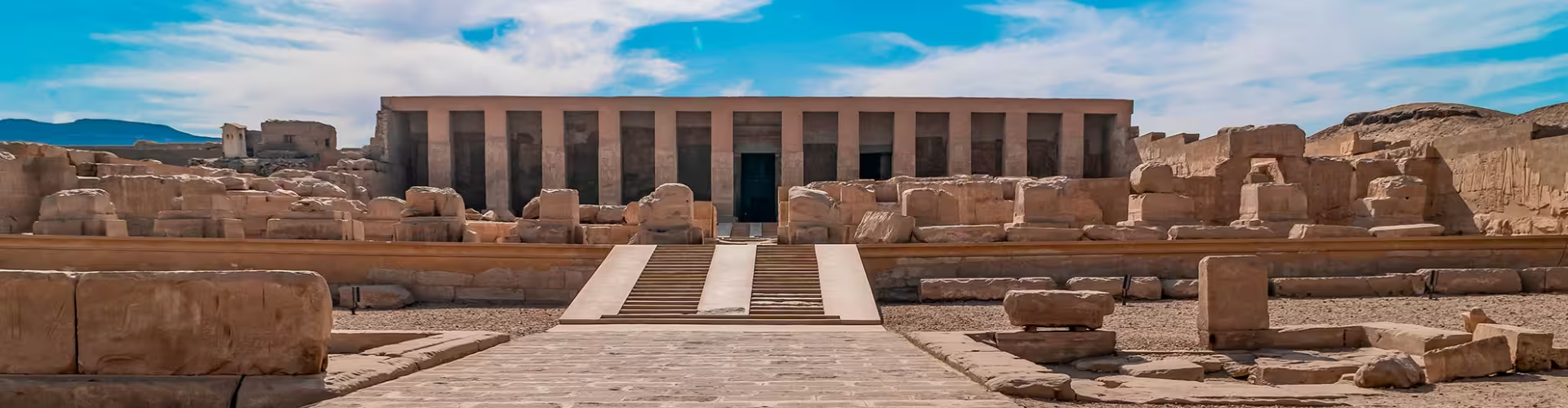


Abydos is one of Egypt’s most compelling ancient destinations, a place where temple walls, royal symbolism, and desert silence combine into a focused, almost museum like travel experience. Many travelers come for the artistry and historical weight, then stay longer than planned because the site rewards slow looking and repeat laps. If you want a high impact day outside the big city circuit, Abydos delivers depth without distraction.
Abydos feels contemplative and monumental, with a strong sense of sacred geography and layered dynastic history. The signature vibe is quiet grandeur, best appreciated by travelers who like to read the walls, scan the carvings, and imagine the processions that once moved through these spaces. Go now if you want a less crowded alternative to Egypt’s headline sites, while still experiencing world class Pharaonic heritage.
Abydos is in Upper Egypt within the Sohag Governorate, associated with the El-Balyana area. It sits in the Nile Valley zone that links major heritage cities, so it is commonly visited as part of an Upper Egypt route rather than as a standalone base. Practical gateways typically involve arriving via larger transport hubs in Upper Egypt, then continuing by road to the site.
Upper Egypt travel is generally shaped by temperature and sun intensity, not just crowds. Cooler months tend to be more comfortable for long walks and extended temple viewing, while hotter periods can compress sightseeing into early morning and late afternoon. If you are sensitive to heat, plan your most detail heavy exploration for the first part of the day, and keep midday for shade, rest, and note taking.
Carry a mix of cash for small purchases and tips, and keep larger payments for established operators where possible. In heritage areas, it is wise to assume that cash is more universally accepted than cards for minor expenses. Keep small denominations accessible, and store the rest securely, especially when moving between stops.
1) Explore the Temple Reliefs in Abydos
Why it matters: The carved scenes and inscriptions are a masterclass in ancient Egyptian visual language, designed to communicate power, piety, and cosmic order. Even if you are not an Egyptology specialist, the repetition of symbols becomes readable with a little patience. Practical tip: Walk the same corridor twice, first for the overall story, then for close up details and photo framing.
2) Look for King Lists and Royal Iconography
Why it matters: Abydos is strongly tied to ideas of kingship and legitimacy, and royal lists and titles are part of that message. These elements help you connect the site to the bigger narrative of dynasties and succession. Practical tip: If you hire a guide, ask them to explain how the royal imagery is used as political storytelling, not just decoration.
3) Study the Craftsmanship, Not Only the Big Scenes
Why it matters: The most memorable moments often come from the small things, like the depth of carving, the balance of figures, and the precision of hieroglyphs. This is where you see how elite workshops worked and how style changed over time. Practical tip: Bring binoculars or a zoom lens to appreciate higher registers without straining your neck.
4) Photograph with Respect for Preservation
Why it matters: Ancient surfaces are sensitive, and the best travel photography is careful, not intrusive. Low impact behavior helps protect the site for future visitors and maintains a calm atmosphere. Practical tip: Use natural light, avoid touching carved walls, and step back to include architectural lines that show scale.
5) Build a Narrative Walk Through the Complex
Why it matters: Temples are designed as sequences, with thresholds that mark shifts from public to sacred space. Walking in order helps you feel the intended progression and understand why certain scenes appear where they do. Practical tip: Start with a quick orientation loop, then commit to a slow route that follows the main axis.
6) Pair Abydos with Nearby Upper Egypt Heritage Stops
Why it matters: The value of Abydos increases when you see it as part of a regional story, connected to Nile Valley settlement patterns and religious centers. It also makes transport time feel more productive. Practical tip: Plan your day so that driving is grouped into one block, then keep the rest of the time for uninterrupted site exploration.
7) Travel with a Local Guide for Context
Why it matters: A good guide turns carvings into readable history, clarifies what you are seeing, and helps you avoid missing key panels. They can also support smoother logistics in a less urban setting. Practical tip: Agree on your pace in advance, and ask for time to explore solo after the main explanations.
8) Slow Down for the Atmosphere
Why it matters: Abydos is not only about checklists, it is about place. The quiet, the desert edge, and the monumental stonework create a reflective mood that many travelers remember as much as the highlights. Practical tip: Schedule a buffer so you can sit, hydrate, and absorb the setting without rushing back to the car.
Start early and aim to arrive before the strongest sun, then do a full orientation walk to understand the layout. Focus on the most significant relief corridors and royal iconography, and take time to revisit your favorite wall sections for closer viewing. Finish with wide angle photos that capture architectural symmetry, then leave time for a calm departure and any planned stops on the return route.
Use day one for a guided overview of Abydos, focusing on the site’s major narrative elements and how to read the imagery. On day two, return with your own priorities, photography, sketching, or detailed observation of carving styles, and give yourself space to compare sections without pressure. If you have a third day in the region, add additional Upper Egypt heritage sites nearby so the trip becomes a connected story rather than isolated visits.
Food around Upper Egypt travel days is often about simple, satisfying staples that handle heat and long drives well. What you choose depends on where you stop and what is available, but these are commonly sought flavors when traveling through the Nile Valley.
Most visitors reach Abydos by road as part of an Upper Egypt itinerary, using a private driver, tour transport, or a pre arranged car. Once at the site, exploration is primarily on foot, so comfortable shoes and sun protection matter as much as your camera. For safety and comfort, keep water with you, move deliberately on uneven surfaces, and plan short shade breaks so fatigue does not rush your visit.
Upper Egypt rewards travelers who connect multiple heritage areas in one trip, especially if you already have transport arranged. Exact travel times depend on road conditions and your base, so treat these as flexible add ons rather than fixed schedules.
Most travelers visit by road using a private driver or organized tour transport, then explore the site on foot. Plan for variable driving conditions and build in buffer time so you can arrive early and unhurried.
A focused visit can fit into a single day, especially if you prioritize the main relief corridors and key royal imagery. If you enjoy detailed observation and photography, a return visit adds value because the carvings reward a second pass.
Early morning is usually the most comfortable for walking and for seeing fine details without harsh glare. Midday can feel intense, so plan shade breaks and save slower activities like note taking for the hottest hours.
A guide is not required, but it can significantly improve your understanding of symbolism, kingship themes, and how to read the scenes. Many travelers choose a short guided overview, then continue independently to explore at their own pace.
Yes, carrying some cash is practical for small purchases and tips, especially in less urban areas. Keep smaller denominations accessible and store the rest securely while moving between stops.