The Red Sea is Egypt’s iconic shoreline for sun drenched resort escapes, coral reef adventures, and easygoing coastal downtime. It is best known for clear water, beach focused days, and a travel style that can swing from relaxed to adrenaline filled depending on your plans. Use this guide to compare seasons, map logistics, and choose experiences that fit your pace.
The signature vibe of the Red Sea is bright, outdoorsy, and water centered, with long beach days and evenings that feel unhurried. Travelers come for reef scenery, boat trips, and the simple luxury of warm weather routines. Go now if you want a destination where planning is straightforward and the main attractions, sea time, desert edges, and resort comforts, are easy to combine.
The Red Sea coast runs along eastern Egypt, facing the Arabian Peninsula and forming a natural corridor between desert landscapes and marine life. The main travel hubs are the resort cities along the coast and their nearby airports, which typically serve as gateways for beach stays and diving focused trips. If you are building a multi stop itinerary, treat the coast as a linear route where you move between resort areas by road and then branch out by boat for reef days.
Seasonality on the Red Sea is largely about heat, wind, and how busy resort areas feel. Warmer periods tend to favor swimming and long water sessions, while cooler periods can feel more comfortable for desert excursions and active sightseeing. If you prefer a quieter atmosphere, aim for shoulder season timing and plan popular excursions earlier in the day to reduce crowd overlap.
Egypt uses the Egyptian pound, and most travelers find it helpful to carry some cash for small purchases, tips, and places that do not accept cards. Resort areas often support card payments in hotels and larger venues, but cash remains useful for local snacks, short rides, and quick stops. To keep spending predictable, decide in advance which days are premium experience days, like boat trips or dive packages, and balance them with low cost beach time and self guided walks.
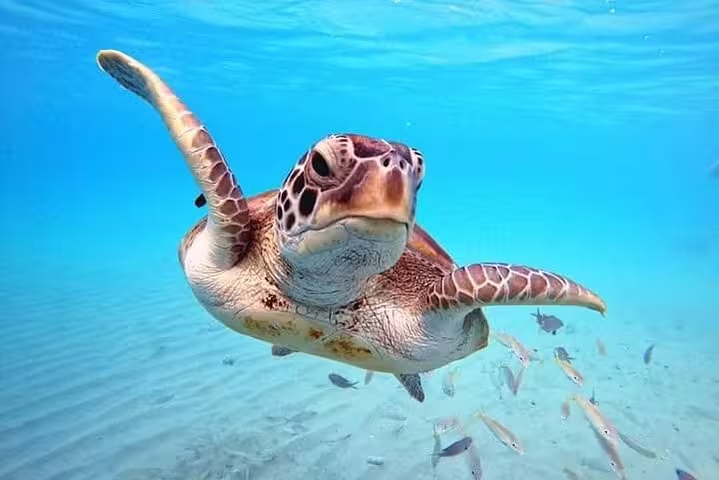
1) Coral Reef Snorkeling
Why it matters: The reefs are the headline experience, with clear water that makes marine life viewing approachable even for beginners. It is a low barrier way to understand why the Red Sea is globally associated with underwater scenery. Practical tip: Choose calm water windows and go earlier in the day for better visibility and a more relaxed pace.
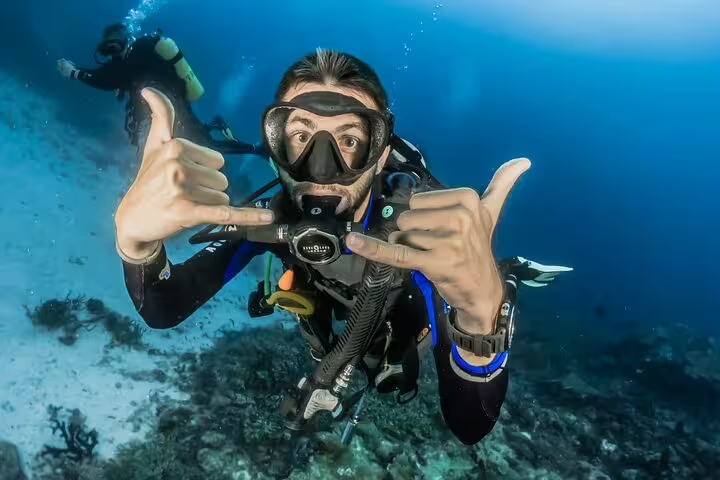
2) Scuba Diving Day Trips
Why it matters: Diving adds depth to the coastline, turning a beach holiday into a true nature trip. It is also one of the best ways to experience the region’s biodiversity and dramatic underwater topography. Practical tip: If you are traveling in peak periods, reserve your dive days in advance so you can match sites to your skill level and comfort.
3) Glass Bottom Boat or Semi Submarine Ride
Why it matters: This is a practical alternative if you want reef views without extended time in the water. It works well for mixed groups where not everyone wants to snorkel or dive. Practical tip: Sit where you can see both sides of the viewing area and bring a light layer in case the sea breeze picks up.
4) Beach Club and Resort Day Pass Style Relaxation
Why it matters: A beach day is not filler here, it is part of the destination identity. The coast is built for slow travel, with sun, shade, and water access shaping the rhythm of the day. Practical tip: Start earlier for the best choice of loungers and plan a midday break to avoid the harshest sun.
5) Desert Edge Excursions
Why it matters: The contrast between sea and desert is one of the most memorable aspects of the Red Sea region. A short drive can shift the scenery from coastal blues to wide open landscapes, which adds variety to a beach heavy itinerary. Practical tip: Pack closed shoes and eye protection for dust, and keep water on hand even for short outings.
6) Sunset Promenade Walks
Why it matters: Evenings offer a softer, more social side of the coast, with strolls that feel relaxed after a day on the water. It is an easy way to explore without committing to a formal activity. Practical tip: Time your walk for the last light and bring a light jacket if you are sensitive to wind.
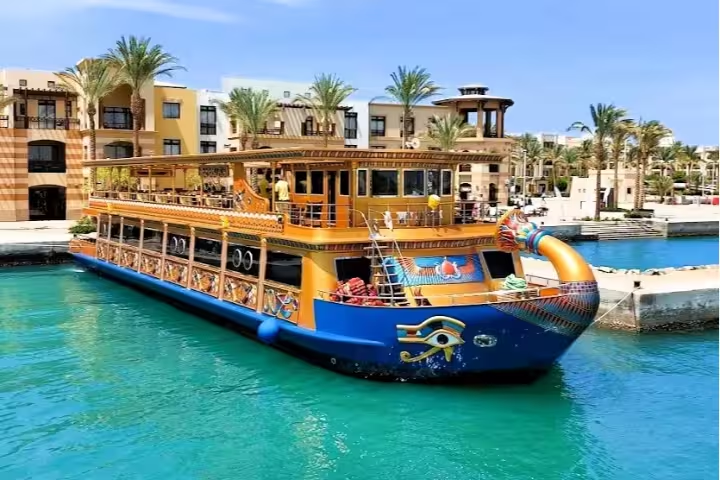
7) Boat Cruise for Sea Views
Why it matters: Seeing the shoreline from offshore gives you a better sense of the region’s scale and coastal geography. It also creates a full day experience that mixes swimming stops with pure scenery time. Practical tip: Bring reef safe sun protection and keep valuables in a dry bag.
8) Local Markets for Snacks and Souvenirs
Why it matters: Markets add texture to a resort centered trip and help you connect with everyday shopping patterns. They are also a good place to pick up practical items for beach days. Practical tip: Carry small bills and decide your budget before browsing so you can shop confidently.
Start with an early morning reef session, either snorkeling from shore or joining a short boat outing. Spend late morning and early afternoon on a beach or at a resort area where you can rest, hydrate, and keep the day simple. Close with a sunset promenade walk and a relaxed dinner that leans into seafood and grilled staples, then finish with a low key café stop if you want a calm evening.
Day 1 focuses on water time, with a dedicated snorkeling or diving block and a slower afternoon for recovery and sun safe downtime. Day 2 adds contrast, pair a morning boat trip with a desert edge excursion later in the day, then plan an easy evening stroll so the schedule does not feel rushed. If you have Day 3, use it for flexibility, repeat your favorite reef activity, shop for small souvenirs, and leave space for unplanned stops that fit your energy.
Grilled seafood
Taste profile: Clean, smoky, and often simply seasoned to let the fish stand out. Ordering tip: Ask what is freshest that day and choose grilled if you want a lighter meal after a long beach session.
Sayadeya style fish and rice
Taste profile: Savory and comforting, with rice built around fish flavors. Ordering tip: If you are hungry after a boat day, this is a filling choice that travels well if you need takeaway.
Koshari
Taste profile: Hearty and tangy, a mix of grains and pasta with a punchy sauce. Ordering tip: It is a reliable budget friendly option when you want a quick meal between activities.
Taameya
Taste profile: Crisp outside, soft inside, with herb forward flavor. Ordering tip: Order it with bread and salad for an easy lunch before heading back to the water.
Shawarma
Taste profile: Spiced, juicy, and satisfying, often served in wraps. Ordering tip: It is a practical option for travel days when you need something fast and familiar.
Fresh juices
Taste profile: Bright and refreshing, a good counterpoint to salty sea air. Ordering tip: Choose whatever fruit is in season and drink it soon after it is made.
Getting around the Red Sea region typically involves a mix of hotel arranged transfers, taxis, and private drivers for longer hops between resort areas. Within resort zones, walking can work well for short distances, especially along promenades and beach strips, but heat can make midday walks uncomfortable. For excursions, many activities operate as pickup based tours, which simplifies logistics and reduces the need to negotiate transport on the spot. If accessibility is a concern, confirm in advance whether boats, docks, and vehicles have steps or ladders, since water activities often involve uneven surfaces.
Nearby reef spots by boat
Travel time: Often a half day to full day depending on the route. Reason to visit: More variety in coral and fish viewing, plus the feeling of being offshore with open sea around you.
Desert landscapes on the coastal edge
Travel time: Typically a short drive from resort areas. Reason to visit: Scenic contrast and a deeper sense of place beyond the beach.
Neighboring resort towns along the coast
Travel time: Varies by road distance. Reason to visit: A change of atmosphere, different promenades, and new dining options without leaving the region.
Local shopping areas and markets
Travel time: Usually within town or a short ride. Reason to visit: Snacks, small souvenirs, and a more everyday view of the destination.
Is the Red Sea a good destination for first time snorkelers?
Yes, many travelers choose it specifically for beginner friendly reef viewing. Start with a guided session so you can learn safe entry, exit, and how to avoid contact with coral.
How many days do I need for a Red Sea trip?
One day can cover a quick reef experience and an evening promenade, but 2 to 3 days lets you balance boat time with rest. Extra days help if you want both water activities and a desert excursion.
Should I carry cash or use cards along the coast?
Cards are often accepted in larger hotels and established venues, but cash is still useful for small purchases and tips. Keep small bills to make everyday transactions easier.
What is the best time of day for reef visibility?
Morning is often a strong choice because the light is good and the day feels less crowded. It also gives you flexibility if wind or sea conditions change later.
How do I get between resort areas on the Red Sea coast?
Most travelers use private transfers, taxis, or hotel arranged transport for longer distances. For excursions, pickup based tours reduce planning and keep the day organized.