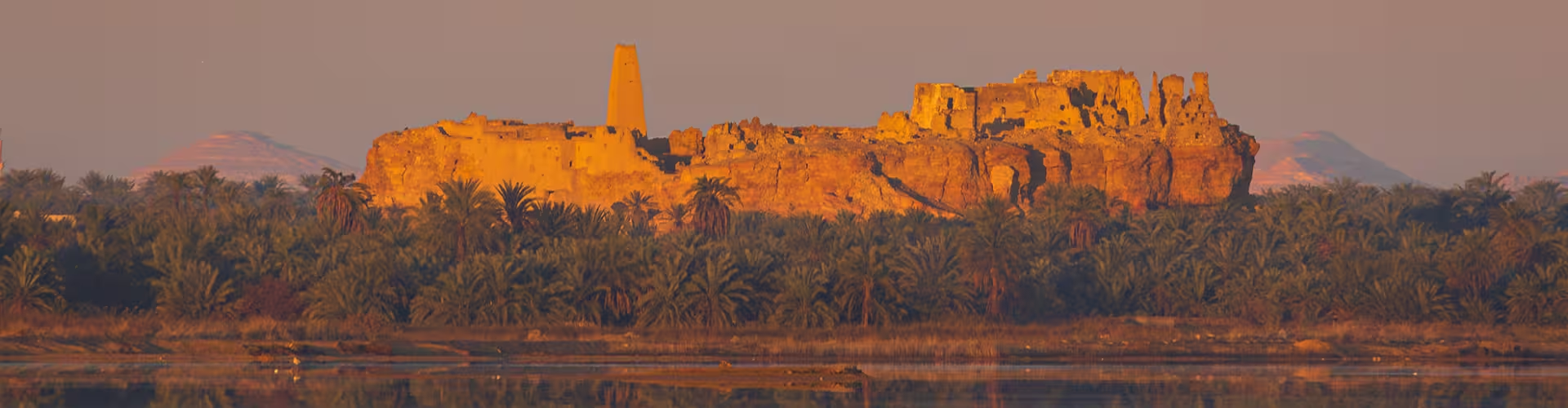


Siwa Oasis is one of Egypt’s most distinctive desert destinations, known for its palm-filled landscapes, salt lakes, and a slower rhythm that feels far removed from the Nile Valley’s big-city pace. Travelers come for a blend of nature and heritage, where ancient sites sit close to springs, dunes, and small communities with strong local identity. This guide focuses on practical planning, what to do, and how to structure your time so your trip feels both easy and meaningful.
Siwa Oasis has a calm, earthy vibe, with wide skies, date palms, and a sense of distance that makes everyday stress fade quickly. It is ideal for travelers who want desert scenery plus cultural depth, with time to slow down and enjoy simple routines like sunset viewpoints and spring swims. Go when you want a quieter Egypt experience that rewards patience, respectful curiosity, and good planning.
Siwa Oasis is located in Egypt’s Western Desert within Matrouh Governorate, a region that stretches from Mediterranean coastal areas down into vast inland landscapes. Most travelers route through major hubs, then continue overland, so planning your transfer time matters as much as choosing your hotel. Expect the journey to be part of the experience, with long desert roads and big changes in scenery as you approach the oasis.
Season choice affects comfort and how you experience outdoor sites. Cooler periods are generally better for long walks, climbing viewpoints, and spending extended time in the open desert. Warmer periods can still work if you plan around the sun, prioritizing early mornings, late afternoons, and spring stops to break up the heat. Crowd levels are typically tied to comfortable weather, so booking ahead becomes more important when conditions are at their best.
Budgeting in Siwa Oasis is easiest when you assume you will pay many small expenses in cash, especially for local shops and simple meals. Keep smaller notes available for day-to-day purchases and tips, and plan a buffer for transport, guides, and spontaneous stops that become highlights. If you rely on cards for most travel, treat the oasis as a place where cash-first habits reduce friction and save time.
1) Explore the Old Town areas
The historic core gives context to why Siwa Oasis feels culturally distinct, with architecture and street patterns shaped by desert life and community needs. Walking here helps you understand the oasis beyond the postcard views.
Practical tip: Go in the gentler light of morning or late afternoon, and wear shoes that handle uneven ground.
2) Visit the Temple of the Oracle
This site is central to the oasis’s historical identity and is often associated with stories of ancient pilgrimage and decision-making. Even without rushing through details, being there connects you to the long arc of travel and belief in the Western Desert.
Practical tip: Pair it with a wider heritage loop so you do not spend more time commuting than exploring.
3) Watch sunset from a high viewpoint
Sunset is when Siwa Oasis feels most cinematic, with palms and salt flats catching warm color and the desert horizon stretching in every direction. It is also a natural reset moment after a day of walking and driving.
Practical tip: Arrive early to choose a comfortable spot and bring water, even if the air feels cool.
4) Swim or soak in natural springs
Springs are a signature experience, mixing relaxation with a sense of place. They are also a practical way to balance active sightseeing with downtime, especially if you are doing desert excursions.
Practical tip: Pack a quick-dry towel and modest swimwear, and follow any local guidance on respectful behavior.
5) See the salt lakes
The salt lakes are visually striking and highlight the unique geology that shapes life in Siwa Oasis. The bright surfaces, shallow edges, and big sky make them popular for photos, but they are also simply peaceful places to slow down.
Practical tip: Protect your feet if you plan to walk near salty edges, and rinse off after contact with salt water when possible.
6) Take a desert safari into the dunes
A dune trip adds scale to your understanding of the oasis, showing how small pockets of green exist within an immense desert environment. It is an adventure experience, but it also explains why local knowledge and navigation matter here.
Practical tip: Choose an experienced driver and confirm what is included, such as water and stops, before you depart.
7) Shop for local crafts and dates
Markets and small shops are where you see everyday life and support local producers. Dates and olive-based products are often tied to the agricultural identity of Siwa Oasis, and crafts can reflect local aesthetics and practical desert needs.
Practical tip: Carry cash in small notes and ask politely before photographing people or stalls.
8) Slow travel, tea, and café time
Part of what makes the oasis special is how well it rewards unstructured time. A simple tea break can turn into your best cultural moment, especially if you observe daily routines and local etiquette.
Practical tip: Build a buffer into your schedule so you can linger without feeling rushed to the next stop.
Start early with a heritage-focused morning, combining the old town areas with the Temple of the Oracle so you get historical context before the day warms up. After lunch, shift to water and landscape, with a spring stop and time at the salt lakes for scenery and photos. End with a sunset viewpoint, then keep dinner simple so you can rest, especially if you arrived the night before after a long transfer.
Day one mirrors the highlights route but at a slower pace, adding extra time for walking, shopping, and café stops. Day two is ideal for a dune excursion, with a spring stop for recovery and a second sunset in a different location to compare views and light. If you have a third day, keep it flexible, revisit your favorite area, add a longer market browse, and prioritize conversations with local guides for deeper cultural context.
1) Date-based sweets
Dates are central to oasis agriculture, and sweets often lean toward rich, caramel-like sweetness with a satisfying chew. They work well as travel snacks during long drives.
Ordering tip: Ask for a mixed selection so you can compare textures and sweetness levels.
2) Olive-forward plates
Olives and olive oil commonly shape the flavor profile of local food, giving dishes a savory depth that pairs well with bread and simple salads. These meals feel hearty without being heavy.
Ordering tip: Request bread on the side so you can scoop and share family-style.
3) Grilled meats with simple seasoning
Grilling highlights straightforward flavors, often focusing on salt, smoke, and tenderness rather than complex sauces. It is a good choice after a long day outdoors.
Ordering tip: If you are sharing, order a variety and add extra salad for balance.
4) Vegetable stews
Stews are comforting and practical, especially when the weather is cooler. They tend to be warming, gently spiced, and filling without requiring adventurous tastes.
Ordering tip: Ask what is seasonal, then choose the pot that locals are ordering most.
5) Fresh flatbread with dips
Bread is often the backbone of a meal, used to scoop, wrap, and share. The experience is as much about the communal rhythm as the flavor.
Ordering tip: Order an extra portion if you are eating with a group, it disappears quickly.
6) Sweet mint tea
Tea breaks are part of the oasis pace, with mint adding a clean aroma and sugar often providing a strong sweetness. It is both a social ritual and a rest stop.
Ordering tip: If you prefer less sugar, ask politely for it lighter, or request sugar on the side if available.
Inside town, many travelers move around by walking for short distances, especially in market areas where streets can be narrow. For longer hops between springs, lakes, and viewpoints, arrange local transport through your accommodation or a trusted driver, since distances add up quickly. If you are planning a dune trip, use a proper vehicle with a driver who knows the terrain, because desert navigation is not a casual self-drive activity.
For safety and comfort, carry water, sun protection, and a charged phone, and avoid pushing long outdoor walks at midday in hotter periods. Accessibility can vary, with uneven ground at heritage sites and natural areas, so plan extra time and choose footwear that supports stability.
1) Desert dune landscapes
Travel time varies by route and chosen stops, but the main reason to go is the scale of the Western Desert and the thrill of moving through sand terrain. It is the clearest contrast to the oasis’s green core.
Tip: Combine dunes with a spring stop to keep the day balanced.
2) Additional springs outside town
Short-to-moderate drives can bring you to quieter water spots that feel less busy than central areas. The reason to visit is simple, more space, more calm, and a deeper sense of nature.
Tip: Go earlier for a more private experience and softer light.
3) Salt lake viewpoints and photo stops
Even if you already visited a salt lake, different angles and times of day change the experience. The reason to return is the shifting light and the minimal, almost surreal landscape.
Tip: Sunset and late afternoon are usually the most flattering for photos.
4) Heritage loop expansions
If you enjoy history, add extra time around the oasis to revisit key sites at a slower pace. The reason to do this is better understanding, not more checkboxes.
Tip: Ask a local guide to explain context, especially if you want more than a quick visit.
Yes, a one-day highlights plan can cover heritage areas, a spring stop, and a sunset viewpoint. It will feel fast-paced, so a two-day trip is more comfortable if you want downtime.
Two to three days is a strong fit for most travelers, with time for history, springs, and a dune excursion. It also gives you flexibility to slow down and enjoy the oasis rhythm.
Cash is very useful for small purchases like snacks, tea, and market shopping. Carry smaller notes to make day-to-day transactions easier.
Morning and late afternoon are usually the most comfortable for walking and viewpoints. Midday can be better for resting, tea breaks, or a relaxed meal.
It is safer to go with an experienced driver who knows the terrain and routes. Desert navigation is not the place to experiment, especially if you are unfamiliar with local conditions.