Saqqara is one of Egypt’s most atmospheric archaeological landscapes, a place where desert silence, ancient stone, and big-sky horizons make history feel close. Visiting is less about a single monument and more about moving through a wide necropolis that rewards patience, good planning, and a curious eye. This guide focuses on practical decision-making, what to prioritize, how to pace your day, and how to shape a visit that fits your time and travel style.
Saqqara has a calm, open-desert vibe that contrasts with the intensity of central Cairo and the busier pyramid zones. People come for the feeling of space, the layered dynastic history, and the chance to explore tomb art and early pyramid architecture in one area. It is especially appealing when you want a heritage day that feels immersive, with room to slow down between sites and take in the desert light.
Saqqara sits in the wider Giza region, within reach of Cairo’s main urban hubs and the broader pyramid fields. Most travelers use Cairo as their base, then plan a half-day or full-day excursion into the desert edge where the necropolis spreads out. For international arrivals, the primary gateway is Cairo International Airport, then onward by road using a private driver, taxi, or pre-arranged tour transport.
Expect a classic desert climate pattern, with cooler conditions in the winter season and higher heat in the summer. Shoulder seasons can be a comfortable compromise, with manageable temperatures and fewer peak-tour crowds than the busiest holiday windows. Whatever month you choose, the most important timing choice is your time of day, earlier starts generally mean softer light for photos and a more comfortable walk between monuments.
Egyptian pounds are the working currency for day-to-day travel needs, including snacks, tips, and small purchases. Carry cash in small denominations for flexibility, especially if you are paying drivers, buying water, or leaving gratuities. Cards can be useful in larger hotels and some established businesses, but in heritage zones and roadside stops, cash is often the smoother option.
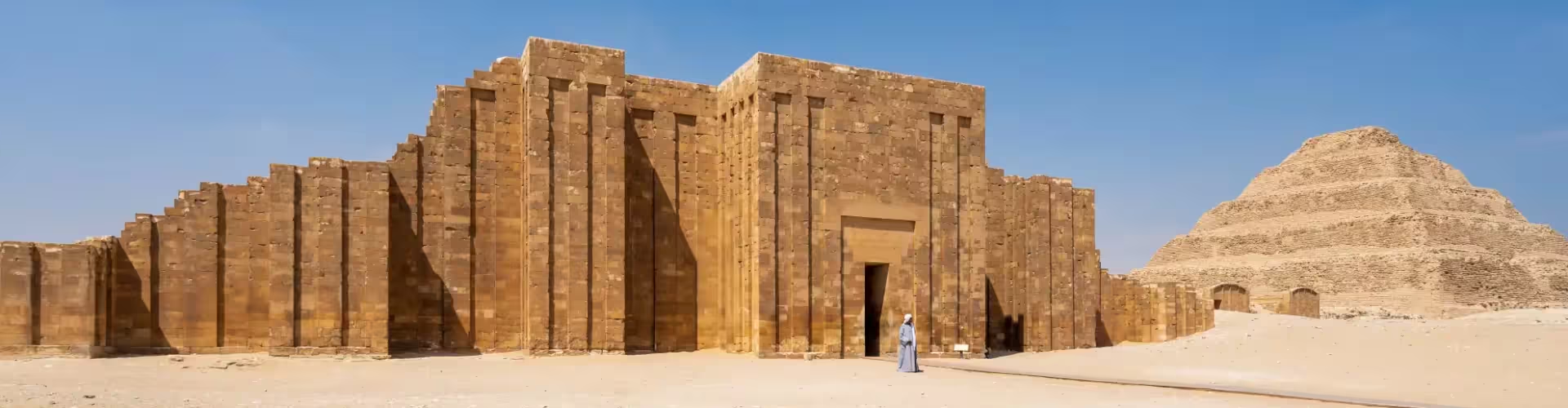
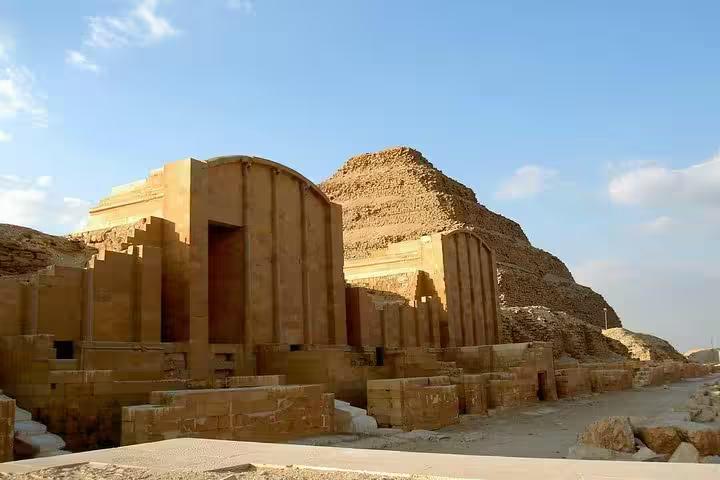
Explore the Step Pyramid complex
This is the architectural headline of Saqqara, and it helps you understand how pyramid building evolved from earlier tomb forms. The setting feels spacious, with long sightlines that make the scale and ambition easier to grasp. Practical tip, arrive earlier in the day for cooler temperatures and to enjoy the site before the midday rush.
Walk the wider necropolis for context
The magic of Saqqara often reveals itself between the big stops, when you notice how monuments, pathways, and desert contours connect. This broader walk turns the visit into a landscape experience rather than a checklist. Practical tip, wear closed-toe shoes and bring water, distances can feel longer under the sun.
Prioritize a tomb-art visit
Tomb scenes are a highlight for travelers who love detail, daily life depictions, and ancient storytelling through reliefs and paintings. They offer an intimate counterpoint to the monumental architecture, shifting your focus from skyline shapes to human-scale narratives. Practical tip, bring a small flashlight if permitted, some interior spaces can be dim, and you will want to see fine carving clearly.
Plan a photography loop
The desert palette, stone textures, and open horizons make Saqqara especially photogenic. A simple loop that balances major structures with quieter corners can produce a more varied set of images than staying in one area. Practical tip, aim for angled light, morning and late afternoon typically give more depth to reliefs and stonework.
Go with a guide for layered history
A knowledgeable guide can connect dynasties, building phases, and symbolism in a way that signage alone often cannot. This is especially valuable in a multi-site landscape where context is the difference between seeing ruins and understanding a civilization. Practical tip, if you want a guide, arrange it in advance so you can start smoothly and avoid last-minute negotiations.
Pair it with nearby pyramid fields
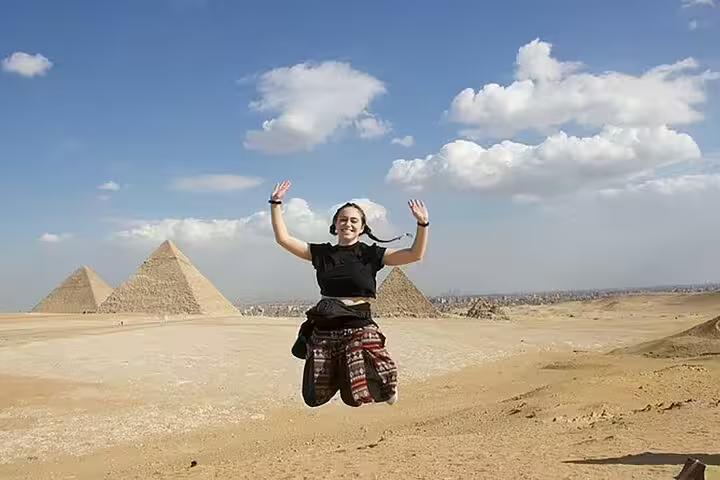
Many travelers combine Saqqara with other pyramid areas for a fuller sense of ancient Egypt’s royal and elite burial traditions. This pairing creates a strong narrative arc across different sites without needing to add extra days. Practical tip, keep your route efficient by grouping locations that are close by and avoiding backtracking.
Build in quiet time for desert atmosphere
Part of the appeal is the feeling of space and stillness, which can be lost if you rush. Sitting for a few minutes away from the busiest points helps you absorb the landscape and notice small details in the stone and sand. Practical tip, choose a spot with shade when possible and keep your valuables secure in open areas.
Do a comfort-first visit strategy
Heat, glare, and walking distances can shape your day as much as your interests. A comfort-first plan helps you see more, because you avoid burnout and can stay focused on what you came for. Practical tip, bring sun protection, water, and a light layer for wind, and schedule breaks between clusters of monuments.
Start early with the Step Pyramid area to anchor your understanding of Saqqara and its role in early monumental architecture. Then choose one tomb-art stop to add human detail and visual storytelling to your day. Finish with a wider necropolis walk for panoramic views and a sense of the site’s scale, then return to your base before the afternoon heat peaks.
On day one, focus on the Step Pyramid complex and a curated selection of tombs, keeping time for slow observation rather than rapid hopping. On day two, explore additional corners of Saqqara at a relaxed pace, using a guide to connect the sites into a coherent historical timeline. If you have a third day, combine nearby pyramid fields and museum time in Cairo to round out context, then revisit your favorite area for better light and fewer crowds.
Koshari
A hearty mix with a comforting, savory profile that works well after a morning in the sun. Ordering tip, ask for your preferred spice level and consider sharing if you are pairing it with other dishes.
Ful medames
A warm, filling fava bean staple that is simple, earthy, and satisfying. Ordering tip, request extra lemon if you like brighter flavors and ask for bread on the side.
Taameya
Egypt’s herb-forward take on fried patties, crisp outside and tender inside. Ordering tip, eat it fresh, it is best right after frying, and pair it with pickles for contrast.
Shawarma
A familiar street-food option with savory, spiced meat and a quick, portable format. Ordering tip, ask what sauces are available and choose the one that matches your heat tolerance.
Molokhia
A distinctive green soup with a rich, garlicky character that many travelers remember long after the trip. Ordering tip, try it with rice if you want a more filling meal after a long walking day.
Mint tea
Sweet, aromatic, and restorative, especially after time in dusty open-air sites. Ordering tip, if you prefer less sugar, ask for it lightly sweetened.
Saqqara is best tackled with a clear transport plan because the landscape is spread out and walking between clusters can be tiring in the heat. Many travelers use a private driver or a tour vehicle to move efficiently, then walk within each site area for closer viewing and photos. If you rely on taxis or ride services, confirm pickup plans in advance, reception can be inconsistent in some areas, and having a clear meeting point reduces stress. For safety and comfort, carry water, use sun protection, and pace yourself, accessibility can be limited in sandy or uneven sections.
Giza Plateau
Travel time varies by traffic, but it is commonly approached as a same-day pairing. The main reason to go is to compare pyramid forms and experience a different visitor atmosphere.
Dahshur
Often combined with Saqqara for a pyramid-field day. The draw is seeing additional royal pyramid architecture in a less urban-feeling setting.
Memphis
A short add-on for travelers who want more context on ancient Egypt’s administrative and cultural centers. It works well as a quick stop to round out the story of the region.
Cairo museums and historic districts
A practical contrast day after desert exploration. The reason to visit is to connect what you saw in tombs and monuments with curated artifacts and deeper interpretation.
Is Saqqara a half-day trip or a full-day trip?
It can work as either, depending on how many tombs and areas you want to cover. A full day gives you time to walk the wider landscape and take breaks in the heat.
How do I get to Saqqara from Cairo?
Most travelers go by road using a private driver, taxi, or a pre-arranged tour vehicle. Planning your pickup and return details in advance helps avoid delays.
What should I wear for a visit?
Choose breathable clothing, closed-toe shoes, and strong sun protection. Bring water and consider a light layer in case of wind across open desert areas.
When is the best time of day to visit Saqqara?
Earlier starts are usually more comfortable for walking and often provide better photo light. If you visit later, pace your route carefully and build in shade breaks when possible.
Can I combine Saqqara with other nearby sites in one day?
Yes, many people pair it with nearby pyramid fields or a quick Memphis stop. Keep your route efficient so you spend more time exploring and less time in the car.