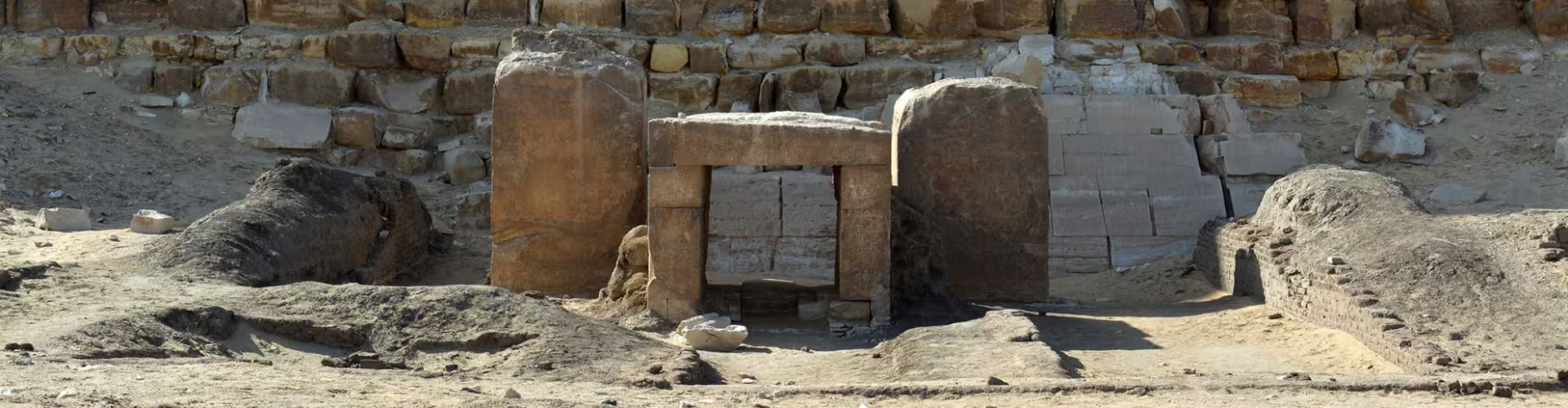


Badrashin sits in the Giza Governorate, close enough to Cairo for an easy add on, yet far enough to feel like a calmer, more local slice of the Nile Valley. The signature vibe is rural Egypt meeting deep time, where farmland, river life, and ancient sites share the same horizon. Go now if you want a base for heritage focused exploring with fewer crowds than central Cairo, plus a slower pace that makes day to day travel feel simpler.
Badrashin is part of Giza Governorate in Egypt, positioned within reach of the Greater Cairo area and the Nile Valley landscape that shapes daily life in this region. For most travelers, the main gateways are Cairo’s transport hubs, then onward by road into Giza’s southern areas. Plan your route with a Cairo or Giza base in mind, then use Giza day trips planning logic, grouping nearby sites to reduce backtracking and time in traffic.
Egypt’s travel seasons generally swing between cooler months that are more comfortable for long outdoor visits and hotter months when midday touring can feel intense. If your plans include extended time outside, aim for mornings and late afternoons, then keep midday for shade, meals, or short transfers. Crowd levels tend to rise during peak holiday periods, so if flexibility matters, choose shoulder season timing and build in extra buffer for transit.
Carry a mix of cash for small purchases and tips, plus a card for larger payments when available, since acceptance can vary by business type and location. Keep small denominations handy for quick transactions and to avoid needing change. A practical approach is to set a daily cash amount for food, local transport, and incidentals, then keep a separate reserve for tickets, guided visits, and longer rides.
1) Explore the Saqqara area as a heritage anchor
The wider Saqqara zone is one of the most significant ancient landscapes near Giza, giving you context for how Egypt’s early monumental architecture evolved. It is a powerful counterpoint to the better known pyramid imagery, because it helps you understand the long arc of royal and religious life. Practical tip, go early for cooler temperatures and clearer light for photography, and group your visit with nearby sites to minimize driving.
2) Plan a focused visit around Dahshur pyramids
The pyramids at Dahshur are often highlighted by travelers who want a less crowded experience while still seeing major ancient engineering up close. The setting feels more open, which can make the landscape itself part of the experience, especially if you enjoy wide horizon views. Practical tip, bring sun protection and water, and confirm transport in advance so you can stay as long as you want without rushing.
3) Use ancient sites near Cairo planning to build a smart cluster
The biggest win in this part of Egypt is itinerary design, because many major sites are within practical reach if you group them by direction and travel time. A well clustered day reduces fatigue and helps you spend more time on the ground rather than in transit. Practical tip, map your stops the night before and keep a short list of must see highlights, so you can adapt if traffic or weather shifts.
4) Take in local Nile Valley scenery and daily rhythms
Beyond monuments, the Nile Valley is a living landscape of agriculture, village life, and river shaped geography. Watching the pace of local routines can add depth to your trip, especially if you have already seen headline attractions in Cairo. Practical tip, prioritize respectful observation, ask before photographing people, and keep your visit low impact.
5) Book a private driver for flexibility
If your goal is to see multiple sites efficiently, a private driver can be a practical tool, especially when public transport is indirect. Flexibility matters here because you may want to linger at a site, adjust for heat, or swap the order of stops. Practical tip, agree on the route and waiting expectations before you depart, and keep your key addresses written down.
6) Add a guided layer for deeper context
A knowledgeable guide can turn stone and sand into a coherent story, connecting dynasties, architecture, and belief systems. This is especially useful when visiting multi period necropolises where the meaning is not always obvious at first glance. Practical tip, choose a guide who can tailor the pace, and ask for a clear plan that prioritizes your interests.
7) Build a photography plan around light and heat
In desert edge environments, light changes fast, and harsh midday sun can flatten details. Planning around golden hour can improve both comfort and images, especially for large scale structures. Practical tip, carry a lens cloth for dust and keep electronics shaded when temperatures rise.
8) Slow travel moments in Badrashin itself
Using Badrashin as a base can be appealing if you want a quieter end to the day after busy sightseeing. The value is in the contrast, ancient grandeur during the day, then a more grounded local atmosphere after. Practical tip, keep evenings simple, confirm your next day’s transport, and rest early if you plan morning departures.
Start early and head toward your top priority ancient site first, when temperatures are lower and the light is softer. Continue with a second major stop in the same direction, using a pre planned route to reduce time on the road. Return toward your base in the late afternoon, then keep the evening for a relaxed meal and planning the next day.
Day 1, dedicate the morning to a major necropolis style site, then spend the afternoon on a second nearby complex so the historical narrative stays coherent. Day 2, focus on a different cluster, such as a pyramid focused route, and leave time for slower exploration and photography. Day 3, keep flexible for revisits, a guided deep dive, or a lighter day that leans into local scenery and recovery from intensive walking.
Koshari, a filling mix of grains, pasta, and sauce with a tangy, savory profile. Ordering tip, ask for your preferred level of spicy sauce so it matches your heat tolerance.
Ful medames, slow cooked fava beans with a rich, earthy taste that works well for breakfast or a light meal. Ordering tip, request extra lemon if you like brighter flavor.
Taameya, Egyptian style herb forward fritters with a crisp exterior and soft center. Ordering tip, eat it fresh and hot, and pair it with simple salads for balance.
Molokhia, a green, garlicky soup like dish with a distinctive texture and comforting depth. Ordering tip, ask what protein it is served with so you can choose what suits you.
Grilled kofta, seasoned minced meat with smoky char and warm spice notes. Ordering tip, order with bread and simple sides, and share plates if you want variety.
Mint tea, sweet and aromatic, a classic way to pause between activities. Ordering tip, specify how sweet you want it, since sweetness levels can vary.
Getting around typically involves road based transport, especially if you are linking multiple sites in a single day. Walking can work for short local errands, but distances between major attractions usually require a car or arranged ride. For comfort and safety, keep water with you, plan shade breaks, and if you have mobility needs, build extra time so you can move at a steady pace without rushing.
Saqqara, a high impact heritage day with major archaeological significance. Travel time depends on your starting point and traffic, so plan an early departure.
Dahshur, a pyramid focused excursion with a more open feel than some headline sites. Travel time varies, and it pairs well with another nearby stop if you want a full day.
Central Cairo, ideal for museums, city culture, and a change of pace from desert edge landscapes. Travel time varies, and it can be easier to visit on a separate day to avoid fatigue.
Giza Plateau area, a classic counterpart to the southern Giza sites, useful if you want to compare different monument landscapes. Travel time varies, and mornings tend to feel more manageable for outdoor touring.
Is Badrashin a good base for visiting ancient sites?
Yes, it can work well if your priority is reaching multiple heritage areas in southern Giza with less back and forth. The key is planning your route to cluster sites efficiently.
How many days do I need for a first trip?
One day can cover highlights if you move quickly and start early. Two to three days gives you time to slow down, add guided context, and build in rest.
What is the best time of day to tour outdoor sites?
Morning and late afternoon are usually more comfortable for walking and photography. Midday can be better for meals, shade, and transit between stops.
Do I need cash in Badrashin?
In Badrashin, carrying cash is practical for small purchases and tips, since card acceptance can vary. Keep small notes so you do not depend on change.
How should I get around between sites?
For most itineraries, road transport is the most efficient option because distances can be significant. If you want flexibility, arrange a driver so you can adjust timing and order of stops.