Philae Island is one of the most evocative stops in Aswan, known for its temple setting that feels both serene and cinematic. This guide focuses on practical planning, what to do once you arrive, and how to shape a smooth visit that fits your time and travel style. Expect a mix of history-forward sightseeing, easy logistics, and photo-friendly moments on the Nile.
Philae Island delivers a calm, river-breeze atmosphere paired with monumental stone architecture, which makes it a high-impact sight without feeling rushed. The signature vibe is tranquil and reflective, with water all around and a strong sense of place tied to ancient Egypt’s sacred landscape. Go now if you want a destination that combines iconic heritage with a manageable footprint that is easy to fit into an Aswan itinerary.
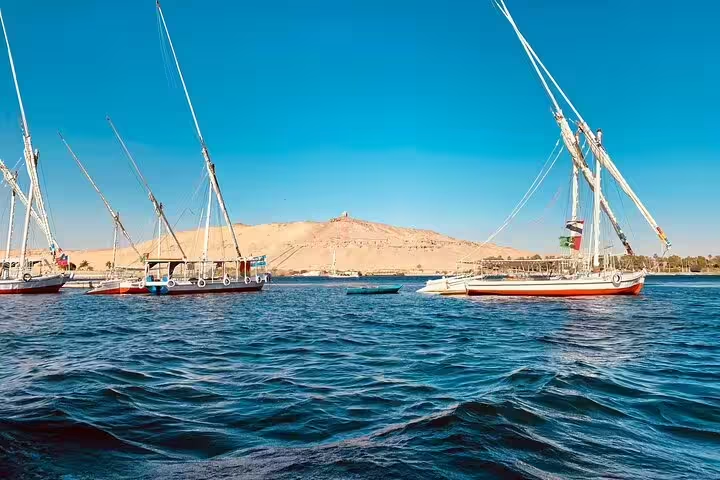
Philae Island sits in the Aswan area in southern Egypt, set within the Nile’s island-dotted scenery that defines the region’s look and feel. Aswan is the main hub for organizing your visit, with transport connections and tour services that typically coordinate river access. For most travelers, Aswan functions as the gateway city, and your day plan usually combines the island visit with other nearby Aswan highlights.
Aswan is known for strong sun and a desert climate, so comfort often depends on timing as much as it does on your itinerary. Cooler parts of the day tend to feel more comfortable for walking and unhurried viewing, while midday light can be intense and contrast-heavy for photos. Crowd levels can vary by season and by the time of day, so choosing an earlier start or a later visit can help you enjoy a quieter atmosphere.
Plan for a mix of small, on-the-go expenses and larger bundled costs if you book a tour that includes transport. Carry some cash for small purchases and tips, and keep a card available for larger payments where accepted. If you are comparing options, focus on what is included, such as transfers, guiding, and boat arrangements, since these can affect overall value more than the headline price.
Note: Experiences are curated to help you plan without relying on unverified details. Use these as decision-support building blocks for your Aswan days.
1) Temple Walk on Philae Island
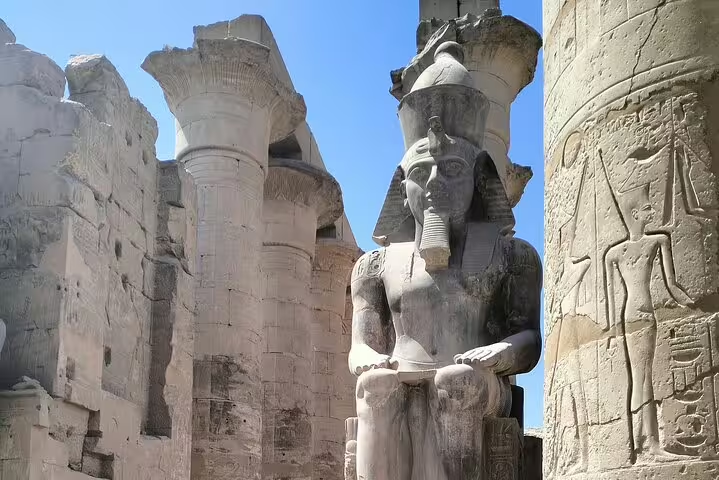
The core experience on Philae Island is a slow, intentional walk through the temple complex atmosphere, where stonework, courtyards, and river views create a powerful sense of scale. It matters because the island setting shapes how the site is experienced, with water acting like a natural frame that makes the architecture feel more dramatic. Practical tip: start with a full loop mindset, and pace yourself so you have time to pause for details and viewpoints.
2) Nile-View Photo Stops
The surrounding water and open sightlines are a major part of what makes Philae Island memorable, especially if you enjoy travel photography. It matters because the island perspective gives you layered compositions, stone textures in the foreground, and the Nile’s calm horizon behind. Practical tip: bring sun protection and plan a few deliberate photo pauses, rather than trying to capture everything while walking.
3) Guided Context Walk
A guide can help translate what you are seeing into a coherent story, especially when temple layouts and symbolic motifs feel complex at first glance. It matters because understanding the “why” behind the site often turns a quick visit into a lasting memory. Practical tip: ask for a route that balances big-picture highlights with a few close-up details, so the visit feels both efficient and meaningful.
4) Combine with an Aswan Heritage Day
Many travelers pair Philae Island with other Aswan sights to create a full day that mixes river landscapes and cultural history. It matters because Aswan’s identity is deeply tied to the Nile, and grouping nearby stops reduces transit time and decision fatigue. Practical tip: keep buffer time in your schedule so you do not feel pressured to rush through the island portion.
5) Quiet-Time Visit for Atmosphere
The island’s mood can shift dramatically depending on how busy it is, and a quieter window can feel more contemplative. It matters because the setting invites slower travel, with space to appreciate the soundscape, light, and scale. Practical tip: aim for a time when you can move at your own pace, and consider stepping aside from the main flow for a few minutes of stillness.
6) Focus on Architectural Details
Even without deep prior knowledge, you can get more from the visit by looking for repeating patterns, proportions, and carved surfaces. It matters because details are often where the craftsmanship becomes most apparent, and they are easy to miss when you are only chasing the main viewpoints. Practical tip: choose a theme for your visit, such as columns, gateways, or relief textures, and let that guide your attention.
7) Pair the Island with a Nile Mood Break
Aswan travel can be intense in sun and movement, so building in a short rest with water views can improve your whole day. It matters because a calmer rhythm helps you stay present and reduces the temptation to speed-run the site. Practical tip: carry water, take shade breaks, and treat the visit as a sequence of short, focused moments rather than one continuous push.
8) Plan a Simple Souvenir Strategy
If you like to bring something home, decide what kind of keepsake you want before you arrive, such as a small craft item or a postcard-style memento. It matters because having a plan helps you avoid impulse buys and keeps your attention on the experience. Practical tip: set a small budget cap and stick to it, especially if you are visiting multiple Aswan sites in one day.
Start your day in Aswan with a clear plan for transport and timing, then head to Philae Island as your anchor experience. Focus on a complete walk that prioritizes the most visually striking spaces and the best Nile viewpoints, then leave time for a short reset back in town. End the day with a flexible slot for another Aswan stop, or simply a relaxed riverside wind-down, depending on your energy and the heat.
On day one, visit Philae Island with a slower pace and a context-first approach, ideally with guiding support if you prefer structured interpretation. On day two, build an Aswan day around river scenery, local neighborhoods, and a food-first plan that lets you try multiple dishes without rushing. If you have a third day, keep it flexible for a day trip, extra museum time, or a second pass at the island experience for different light and atmosphere.
While Philae Island is primarily a heritage visit, your food experience will usually be shaped by Aswan’s broader dining scene. These are common Egyptian staples you may encounter in Aswan, with practical ordering guidance to help you choose confidently.
Visiting Philae Island typically involves organizing your movement from Aswan to the river access point, then continuing by boat to the island. In Aswan, you may rely on hotel-arranged transfers, taxis, or tour transport depending on your comfort level and time constraints. Walking is best for exploring the island site itself, so wear stable shoes and plan for sun exposure, since shade can be limited in open areas.
For safety and ease, keep your essentials secure, carry water, and avoid pushing your schedule too tightly, especially in hotter conditions. If you have accessibility needs, consider arranging support in advance so your transport and walking route can be adapted to your pace.
Aswan is a strong base for expanding your trip beyond the city. Travel times vary by route and transport type, so treat these as planning ideas to discuss with your hotel or tour operator.
Is Philae Island a half-day or full-day visit from Aswan?
Most travelers plan it as a focused outing that can fit into a broader Aswan day. Your total time depends on transport coordination and how slowly you want to explore.
How do you get to Philae Island?
You typically travel from Aswan to the river access point, then continue by boat to Philae Island. Many visitors arrange this through a tour, a driver, or hotel support to simplify timing.
What should I wear for visiting the site?
Choose comfortable walking shoes and lightweight clothing suitable for strong sun. Bring sun protection and water so you can take your time without feeling rushed.
When is the best time of day to visit?
Cooler parts of the day are often more comfortable for walking and lingering at viewpoints. If you prefer a quieter feel, aim for a time window that avoids peak crowd flow.
Is Philae Island good for travelers who want photos and history?
Philae Island works well for both, since the Nile backdrop adds atmosphere while the architecture provides detail and scale. A guide can help connect what you photograph to the story behind it.