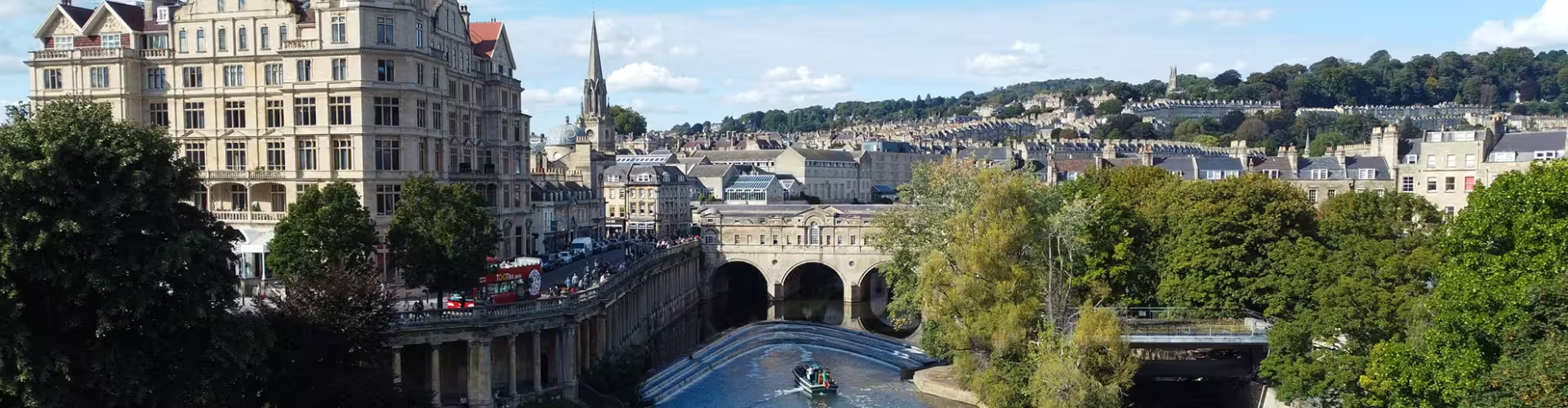


Bath is a compact, walkable city in South West England where honey colored Georgian streets meet ancient Roman bathing culture. It is a place for slow mornings, museum rich afternoons, and atmospheric evenings in historic pubs and theatres. Come for the architecture and spa heritage, stay for the easy day trips into the Cotswolds and the wider United Kingdom.
Bath feels refined and restorative, with a signature vibe built around elegant crescents, limestone façades, and a long tradition of wellness. It is ideal when you want a city break that balances culture, scenery, and downtime without needing a car. Go now if you want a destination that rewards walking, offers year round indoor options, and pairs beautifully with countryside escapes.
Bath sits in South West England, within easy reach of major hubs in the United Kingdom. Many travelers use London as a gateway for onward rail connections, while Bristol is a common regional base for transport links. Once you arrive, the historic core is concentrated, which makes planning simple and keeps transit time low.
Spring and early summer tend to suit travelers who want long walking days and gardens at their best, with a lively but manageable feel. Peak summer can bring the biggest crowds, so planning around early starts and pre booked entries helps you keep the day smooth. Autumn often brings a calmer pace and a moodier, photogenic cityscape, while winter is a strong fit for museums, cafés, and spa focused downtime when daylight is shorter.
The local currency is the British pound. In most visitor facing places, card payments are widely used, which makes it easy to travel without carrying much cash. For budgeting, plan for a city break style spend that can rise quickly if you add guided experiences, spa time, and central dining, then balance it with free walking routes and museum visits.
1) Roman Baths Experience
This is the defining story of Bath, where the city’s identity connects directly to ancient bathing culture and engineering. Seeing the site in person helps you understand why the settlement grew here and how water shaped local life. Practical tip: aim for a quieter time of day by visiting early, and allow extra time for interpretation so it feels like a narrative, not just a photo stop.
2) Georgian Architecture Walk
The city’s Georgian planning creates a rare sense of harmony, with crescents, terraces, and grand streets designed to impress. Even a self guided loop gives you a strong feel for the social history of the spa town era. Practical tip: build in pauses for viewpoints and details, then return at golden hour when the stone warms up for photos.
3) Bath Abbey and the Historic Core
The abbey area anchors the pedestrian heart of the city and concentrates many of the most recognizable scenes. It is a good place to orient yourself because everything radiates outward from here. Practical tip: use this as your meeting point for the day, then branch into side streets for quieter corners and independent shops.
4) Pulteney Bridge and Riverside Views
The river setting adds softness to the city’s formal architecture, and the bridge is one of the most distinctive urban viewpoints. The water, stone, and greenery combination makes it feel both elegant and relaxed. Practical tip: visit twice, once in daytime for clear views, then again near dusk when the riverside feels more cinematic.
5) Thermae Style Spa Time
Wellness is part of the local DNA, and modern spa culture is one of the easiest ways to experience that legacy without needing specialist knowledge. It also provides a weather proof break in the middle of a sightseeing day. Practical tip: plan spa time for late afternoon, then head to dinner afterward so you end the day feeling unhurried.
6) Jane Austen Connections
Literary travelers often enjoy tracing how the city appears in the wider world of English novels and social history. It adds a human layer to the grand façades, focusing on manners, society, and the rituals of a fashionable destination. Practical tip: pair a literary stop with a café break nearby, then continue with an architecture focused walk for a balanced theme.
7) Independent Shops and Local Markets
Beyond the headline sights, browsing independent retailers is a simple way to support local businesses and pick up practical souvenirs. It also helps you slow down and notice the city’s smaller details, like courtyards and hidden lanes. Practical tip: shop earlier in the day, then carry a foldable tote so you are not juggling bags during sightseeing.
8) Museum and Gallery Afternoon
Museums and galleries provide context on design, daily life, and the city’s evolution as a destination. They are also ideal when weather shifts, which can happen in the United Kingdom. Practical tip: plan one indoor anchor each day, then build outdoor stops around it so your itinerary stays resilient.
Start in the historic core near the abbey to get your bearings, then prioritize the Roman bathing story while your energy is highest. Continue with a Georgian architecture loop that takes in the most iconic streetscapes, then break for a relaxed lunch to reset. In the afternoon, head to the river for bridge views and a gentle walk, then finish with a spa style wind down or a theatre evening depending on your pace.
On day one, focus on the essential heritage sights, then add a museum or gallery to deepen the story. On day two, slow the tempo with independent shopping, a longer architecture walk, and time for riverside wandering, which is when the city feels most personal. If you have a third day, reserve it for a day trip into nearby countryside, then return to Bath for a final evening meal and a last walk through the illuminated streets.
Afternoon tea
Expect a mix of sweet and savory, often built around warm baked goods and delicate sandwiches. Ordering tip: book ahead if you are traveling on a weekend, and arrive hungry so it can double as a light meal.
Sunday roast
A classic United Kingdom comfort plate, typically hearty and best enjoyed slowly. Ordering tip: go earlier in the service window to increase your chances of the full selection.
Fish and chips
Crisp, satisfying, and ideal after a long walking day, especially when the weather turns cool. Ordering tip: ask for it freshly cooked, then eat it promptly so the texture stays at its best.
West Country cider
The region is known for cider culture, which can range from dry and crisp to fuller and fruitier. Ordering tip: if you are unsure, ask for a dry option first, then adjust from there.
Local ales
Pub culture is part of the city’s evening rhythm, and a pint can be a simple way to pause and people watch. Ordering tip: if you prefer lighter flavors, ask for something described as golden or pale.
Classic British breakfasts
A filling start that suits early sightseeing days and long walks. Ordering tip: if you want a lighter version, look for smaller plates or choose a couple of components instead of the full set.
The central areas of Bath are well suited to walking, and many visitors find that a good pair of shoes is their most important transport choice. Public transport can help connect outer areas and reduce uphill effort, while taxis or ride hailing can be useful when time is tight or weather is poor. For accessibility, plan routes with rest stops, use museums and cafés as indoor breaks, and avoid overpacking your day because the most rewarding moments often happen at a slower pace.
1) Bristol
A nearby city option that adds a different urban energy and cultural mix. Travel time is typically short by regional connections. Primary reason to visit: a contrasting city day that complements Bath without feeling repetitive.
2) The Cotswolds
A countryside classic known for village scenery and rural walking. Travel time varies depending on your chosen base. Primary reason to visit: a scenic reset that pairs well with a heritage focused city break.
3) Stonehenge
One of the United Kingdom’s most famous prehistoric landmarks, often visited as a half day or full day excursion. Travel time depends on the route and transport choice. Primary reason to visit: a big ticket heritage experience that adds deep time context to your trip.
4) Salisbury
A historic city that can pair well with wider regional exploration. Travel time varies by connection. Primary reason to visit: an additional heritage stop that complements the architectural theme.
Is Bath easy to explore without a car?
Yes, most key sights are concentrated in the central area and are comfortable to reach on foot. For longer hops or tired legs, taxis and public transport can fill the gaps.
How many days do I need in Bath?
One day covers major highlights if you keep a steady pace. Two to three days lets you add museums, shopping, and a day trip without rushing.
What is the best time of year to visit?
Spring and early summer suit long walking days and a lively atmosphere. Autumn and winter can feel calmer, with indoor culture and spa time becoming more central.
Should I carry cash?
Card payments are widely used, so cash is often optional for everyday spending. Keeping a small amount can be handy for small purchases or tips depending on your preferences.
Can I combine Bath with nearby destinations?
Yes, it works well as a base for nearby cities and countryside areas in South West England. Many travelers add the Cotswolds or Bristol to create a varied itinerary.