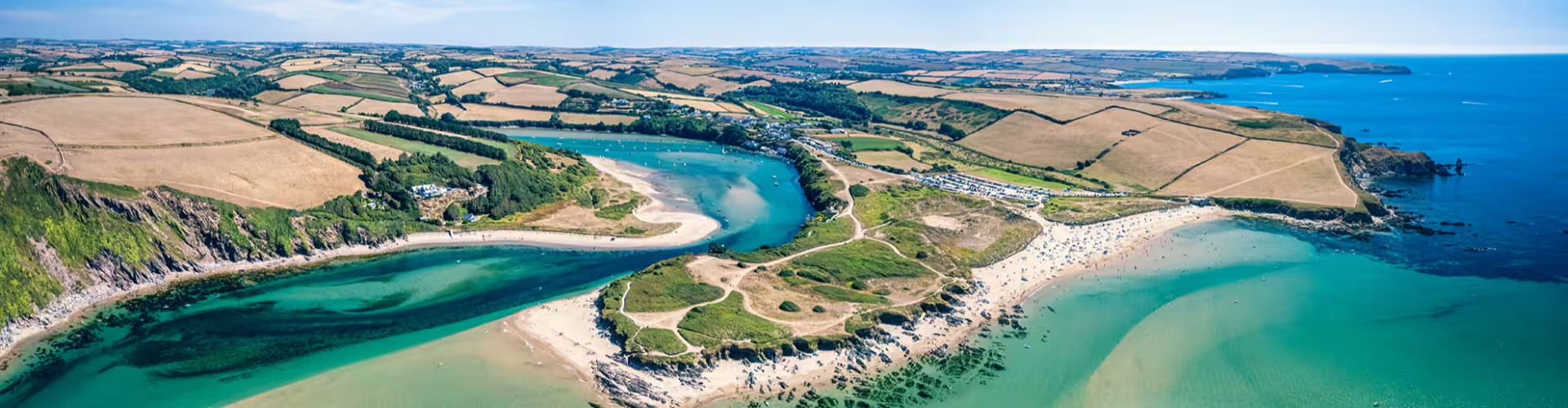


South West England blends rugged Atlantic coastlines, honey colored villages, and creative small cities into one of the United Kingdom’s most rewarding regions for slow travel. Expect a trip shaped by coastal walks, market town browsing, and pub culture that feels grounded and local. Go now for the year round mix of outdoor scenery and indoor comforts, plus the flexibility to build an itinerary around beaches, moors, or historic streets without needing a single base.
South West England sits on the south western peninsula of England, stretching from the Bristol area down into Cornwall, and across to the Dorset coastline. It is defined by two dramatic shorelines, the Bristol Channel to the north and the English Channel to the south, with wild uplands like Dartmoor and Exmoor adding a strong inland counterpoint. For gateways, travelers commonly use Bristol as a major transport hub, with additional rail and road connections linking the region’s cities, seaside towns, and rural areas.
Timing in South West England is less about a single perfect month and more about matching the season to your travel style. Warmer periods are ideal for beaches, coastal paths, and long evenings in harbor towns, but they also bring higher visitor numbers in popular seaside spots. Cooler periods suit city breaks, museum time, and storm watching on the Atlantic edge, with the bonus of quieter roads and easier reservations in smaller places.
The local currency is the British pound, and spending can vary widely depending on whether you base yourself in a city, a coastal hotspot, or a rural village. Cards are widely accepted, but it is practical to carry a small amount of cash for small purchases in independent shops, markets, and countryside stops. To keep costs predictable, plan around a mix of paid attractions and free experiences like coastal walks, viewpoints, and time in public gardens.
Coastal walks along the South West Coast Path. This is the signature experience of South West England, where cliffs, coves, and big sea views set the pace of the day. Even a short section gives you the region’s elemental character, wind, salt air, and changing light. Practical tip, choose a point to point stretch and use local buses or taxis to return, so you can keep walking without backtracking.
Explore Cornwall’s seaside towns and beaches. Cornwall is central to the region’s identity, with fishing heritage, surf culture, and a strong creative scene. It is a place to slow down, watch the harbor life, and build days around the tide and the weather. Practical tip, check beach conditions and plan parking early in busier periods, coastal roads can be narrow and slow.
Discover Devon’s moorland landscapes. Devon gives you a powerful inland contrast to the coast, with open moorland, stone villages, and a sense of space that feels almost cinematic. It is ideal for travelers who want hikes, viewpoints, and pub lunches after fresh air. Practical tip, pack layers and waterproofs, moor weather can change quickly even when nearby towns feel mild.
Spend time in Bath’s historic streets. Bath is one of the region’s most iconic cities, known for its elegant architecture and walkable layout that rewards unhurried wandering. It is a strong choice for a culture focused day, especially when you want a break from driving. Practical tip, start early to enjoy the city before day trip crowds, then linger later when the pace calms again.
See the Jurassic Coast in Dorset. The Dorset coastline is famous for dramatic geology and striking viewpoints, making it a high impact day even for travelers short on time. It is a place where the landscape tells a story, cliffs, bays, and rock formations that feel distinctly different from the Atlantic side. Practical tip, wear sturdy shoes for uneven paths and aim for softer light for photos, mornings and late afternoons often look best.
Visit Bristol for food, art, and waterfront energy. Bristol brings a modern creative edge to South West England, with neighborhoods that reward exploring on foot and a lively harborside atmosphere. It is a good base if you want city comforts while still being close to rural and coastal areas. Practical tip, plan your day by area rather than trying to cross the city repeatedly, you will save time and enjoy it more.
Browse market towns and village high streets. The region’s smaller towns are where local life is most visible, independent shops, bakeries, and weekly markets that make a trip feel personal. These stops are ideal between bigger headline sights, and they help you understand the region beyond postcards. Practical tip, arrive earlier in the day for the best selection in markets and to find easier parking.
Take in a classic pub meal and local ales. Food culture is part of the travel experience here, and pubs are often the most relaxed way to try regional flavors. A good pub stop also solves a practical problem, it breaks up drives and turns a transit day into a travel day. Practical tip, if you are driving, consider a lunch stop rather than dinner, it can be easier to find a table and you can still enjoy the atmosphere.
Start with a city morning in Bristol or Bath, focusing on walkable streets and waterfront or historic areas so you can cover a lot without logistics stress. Shift to the coast for the afternoon, choosing one signature viewpoint or a short section of the coastal path for maximum scenery with minimal planning. End with a pub dinner in a market town or seaside village, and keep the evening flexible so weather does not dictate the entire day.
Day one, base yourself in Bristol or Bath to anchor the trip with culture, architecture, and food. Day two, commit to a coastal focus, either Cornwall for beaches and harbor towns or Dorset for Jurassic Coast landscapes, then build in a long lunch and a short walk rather than trying to see everything. Day three, go inland into Devon moorland for a different mood, viewpoints, village stops, and a slower rhythm that balances the coastline’s big energy.
Cornish pasty. A hearty, portable pastry filled with savory ingredients, designed for travel and outdoor days. It is ideal for a picnic on the coast or a quick meal between stops. Ordering tip, ask for it warm if available, it is especially satisfying on breezy days.
Cream tea. A classic treat built around scones, jam, and clotted cream, with tea served alongside. It is less about speed and more about taking a break, which fits the region’s slower pleasures. Ordering tip, if you are unsure about local style, ask how it is traditionally served in that area and follow the house recommendation.
Local ales and cider. The region is well known for pub culture, and drinks often reflect local farms and small producers. Expect flavors that range from crisp and dry to richer, more rounded profiles depending on the style. Ordering tip, ask for a small sample if the pub offers it, it helps you choose confidently.
Fresh seafood in coastal towns. Along the coast, seafood is a natural choice, often tied to local fishing heritage and simple preparations that let the ingredients stand out. It suits a long lunch with a harbor view, especially after a walk. Ordering tip, look for what is listed as local or landed nearby, it is often the best guide to freshness.
Pub classics with regional character. Many menus lean into comfort food, with seasonal twists that reflect what is available locally. It is a practical option after a day outdoors, and it pairs well with local drinks. Ordering tip, check chalkboards or specials, they often highlight what the kitchen is most excited about that day.
Getting around South West England is easiest when you mix transport styles rather than relying on just one. Cities like Bristol and Bath are well suited to walking, which lets you enjoy architecture, waterfront areas, and neighborhoods without parking concerns. For coast and countryside, a car offers flexibility, especially for beaches, moorland viewpoints, and small villages where public transport can be limited.
Trains and buses connect many major towns, and they can be a smart choice when you want to avoid driving in busy city centers or when you plan a point to point coastal walk. Ride sharing and taxis can help bridge gaps, especially for evenings or rural starts and finishes. For safety and accessibility, plan for narrow roads in rural areas, allow extra time, and bring comfortable footwear because even short sightseeing days often involve uneven paths and hills.
Cornwall. A day trip into Cornwall delivers beaches, harbor towns, and a strong sense of place, with a mix of sea views and creative local culture. Travel time depends on your base, so start early and choose one area rather than trying to cover the whole county in a single day.
Devon and the moors. Head inland for moorland scenery and a quieter mood than the coast, ideal for hikes and village stops. Travel time varies, but it is often a straightforward drive from regional hubs, and the landscape shift feels immediate once you reach open high ground.
Dorset and the Jurassic Coast. This is the choice for dramatic coastal geology and iconic viewpoints, perfect for travelers who want scenery with a strong narrative. Plan time for short walks, the best views often require a bit of effort on foot.
Bath. If you are based elsewhere in South West England, Bath works well as a culture focused day trip with an easy, walkable center. It is best enjoyed at a slower pace, with time for streets, viewpoints, and relaxed meals.
Bristol. For a city day with food, art, and waterfront energy, Bristol offers a different perspective on the region. It is a strong option when weather is mixed, since you can combine indoor and outdoor stops without sacrificing the day.
Walking works best in cities like Bristol and Bath, where key areas are close together. For coast and countryside, a car gives the most flexibility, while trains and buses can cover major town to town links.
One day can cover a city plus a short coastal stop if you keep the route tight. Two to three days lets you balance a city, a coastal area, and an inland landscape without rushing.
South West England works year round, with warmer seasons favoring beaches and long coastal walks. Cooler seasons can be quieter and are great for city breaks, pubs, and dramatic coastal weather.
South West England can range from good value to premium depending on where you stay and how you travel. You can keep costs down by mixing free outdoor experiences with a few paid highlights and by planning meals around pubs and markets.
Bring layers, a waterproof jacket, and comfortable shoes with grip for uneven paths. Even on short days, wind and sudden showers can make the weather feel more intense along the coast and on moorland.