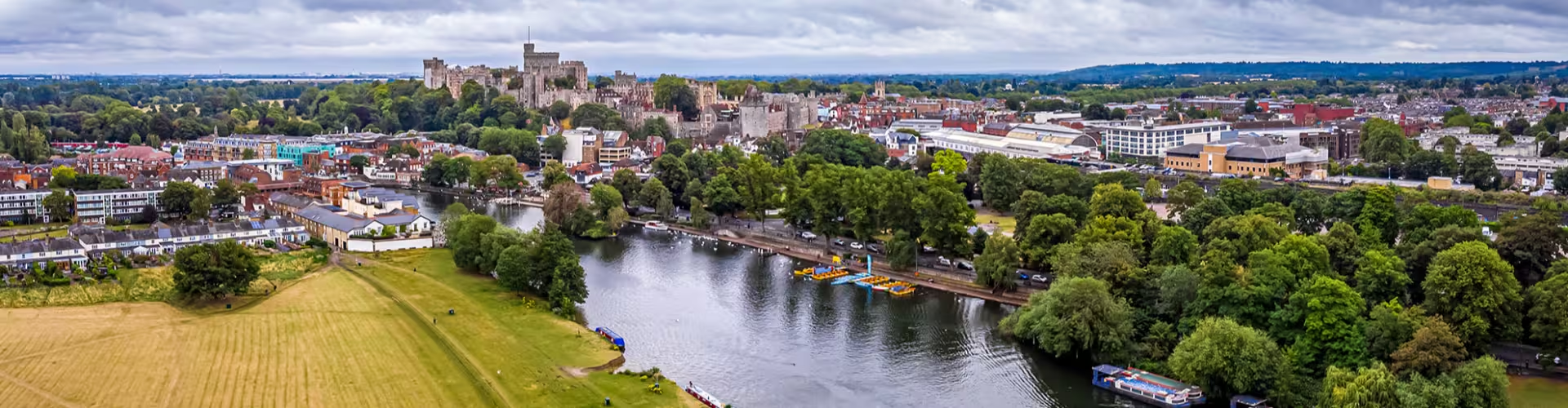
Windsor is a classic English riverside town where royal heritage, leafy walks, and pub culture come together in a compact, easy-to-explore setting. It is best known for its castle skyline above the Thames, plus a day out that can feel both grand and relaxed. Use this guide to plan what to see, how to get around, and how to shape a trip that fits your pace.
Windsor pairs ceremonial history with a lived-in local rhythm, think cobbled lanes, parkland views, and boats on the river. Go now if you want a high-impact UK day trip that works in any season, with plenty to do even when the weather turns. The signature vibe is regal and walkable, with the Thames adding a calm backdrop to busy sightseeing.
Windsor sits in South East England, within easy reach of London and the wider Thames Valley. For international arrivals, the most convenient gateway is typically London Heathrow, with London’s major rail hubs acting as key connection points for onward travel. The town center is compact, so once you arrive you can cover many highlights on foot, especially along the river and around the castle area.
Spring and early summer bring long daylight hours and a lively outdoor feel, ideal for riverside walks and parkland time. Peak summer tends to be busier, especially on weekends and school holidays, so expect more queues and fuller restaurants. Autumn can feel calmer with crisp air and golden light, while winter is best for cozy indoor stops, pub meals, and shorter sightseeing loops when daylight is limited.
The local currency is the British pound. Cards are widely accepted, but carrying a small amount of cash can help for small purchases and tips. Windsor can feel pricier than smaller market towns due to its popularity, so set a realistic daily budget and consider booking key experiences in advance to avoid last-minute premium options.
Windsor Castle. This is the headline sight and the visual anchor of town, with a setting that makes the scale of royal history feel immediate. Even from outside, the walls and approach streets create a sense of ceremony. Practical tip, aim for an earlier arrival to reduce waiting, and keep plans flexible in case of crowd surges.
Walk the Thames Path. The river brings a slower, more local side to Windsor, with easy strolling routes and frequent photo moments. It is a great reset between big-ticket attractions. Practical tip, go in the morning for softer light, or later in the day for a calmer atmosphere after day-trippers leave.
Explore Eton. Just across the river, Eton adds a contrasting academic and traditional feel, with historic streets and a quieter pace. It is a strong option if you want to balance royal landmarks with a different slice of English heritage. Practical tip, cross on foot and treat it as a short loop, then return to the main town for dinner.
Windsor Great Park. This is where the destination opens up, giving you wide views, long walking options, and a sense of landscape that complements the castle’s formality. It is especially rewarding if you enjoy nature and big-sky scenery. Practical tip, bring comfortable shoes and a light layer since open parkland can feel cooler and breezier.
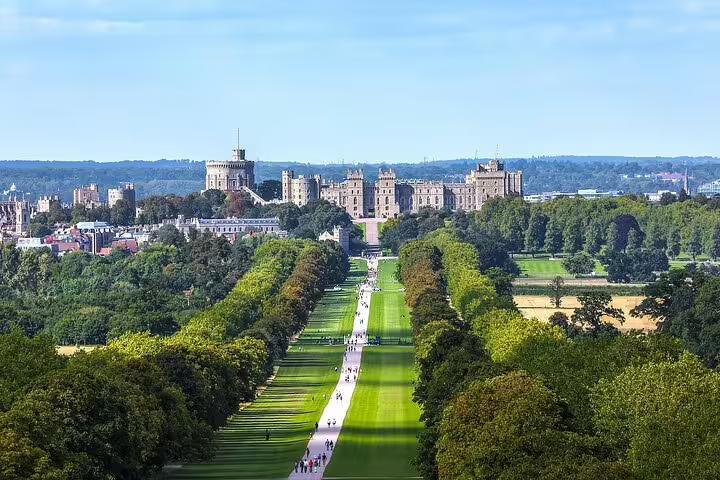
Long Walk viewpoint. The Long Walk is one of the most iconic perspectives in Windsor, offering a straight, scenic approach with the castle as a focal point. It is simple, free, and high impact, which makes it ideal for first-timers. Practical tip, time it for golden hour if possible, and keep an eye on changing weather for dramatic skies.
Riverside pubs and classic British dining. Part of the appeal here is how easily sightseeing flows into a relaxed meal, especially near the Thames. A pub stop is not just food, it is a cultural pause that rounds out the day. Practical tip, try to eat slightly earlier than peak dinner time on weekends to avoid long waits.
Boat time on the Thames. Being on the water reframes the town, turning landmarks into a moving panorama. It is a gentle way to add variety after lots of walking. Practical tip, bring a light jacket even on mild days, since it can feel cooler on the river.
Independent shopping streets. Beyond the major sights, the town center has pockets that reward unhurried wandering, especially if you like small boutiques and local gift ideas. It is also a useful way to fill gaps between timed activities. Practical tip, build in browsing time so your day does not feel like a checklist.
Start with Windsor Castle area first, when energy is high and crowds are typically lighter. Then walk down toward the Thames for a scenic stretch on the riverside, using the water as your orientation line. Cross to Eton for a short look around, then return for a late lunch or early dinner in a pub, finishing with the Long Walk for an easy, memorable finale.
Day one, focus on the castle zone and the historic core, then slow down with a river walk and a relaxed meal. Day two, dedicate time to Windsor Great Park and longer outdoor routes, with breaks that keep the day comfortable rather than rushed. If you have a third day, use it for a flexible mix, revisit your favorite viewpoint, spend more time in Eton, and add a Thames boat outing to see the town from a different angle.
Afternoon tea. Expect a mix of sweet and savory, often featuring sandwiches, scones, and cakes. Ordering tip, ask what is included so you can plan whether it is a full meal or a light treat.
Fish and chips. Crisp batter, flaky fish, and a comforting, salty finish make it a classic UK choice. Ordering tip, if you want a lighter meal, consider sharing or pairing it with a simple side.
Sunday roast. A hearty plate built around roast meat, potatoes, vegetables, and gravy, it is as much ritual as food. Ordering tip, Sundays can be busy, so plan around peak times and consider reserving where possible.
Pie and mash. Rich, warming, and ideal after a long walk, it is a pub staple that feels distinctly British. Ordering tip, ask what pies are available that day, since selections can vary.
Full English breakfast. A filling start that can power a day of sightseeing, especially if you plan a long outdoor walk later. Ordering tip, if you prefer something smaller, ask if a lighter version is available.
Local ales. Pub culture is part of the experience, and an ale can be a good way to sample regional character. Ordering tip, ask for a small pour first if you are unsure what style you like.
Windsor is highly walkable, particularly between the castle area, the riverfront, and the bridge to Eton. Walking is often the fastest option in the center, while local transport can help if you are heading farther out toward parkland areas or if mobility is a concern. Taxis and ride-hailing can be useful at busy times or for point-to-point travel, but allow extra time during peak visitor hours. For accessibility, plan routes with rest stops, and consider pacing major sights across multiple days if you prefer a slower rhythm.
London. Travel time varies by route and connection, but it is a straightforward add-on from the Thames Valley. The main reason to go is world-class museums, neighborhoods, and theater.
Oxford. A rewarding option for architecture, college quads, and bookish atmosphere. It suits travelers who enjoy historic streets and cultural depth.
Bath. Known for Georgian elegance and a strong sense of heritage, it makes a memorable contrast to royal Windsor. It is best if you want a full-day outing with a different cityscape.
Henley-on-Thames. A smaller riverside town with a relaxed feel and classic Thames scenery. Choose it for a slower day built around walks, water views, and café stops.
Many travelers use rail connections via London’s major hubs, then continue to the town center on foot. Once you arrive, the core sights are close together and easy to navigate.
A single day covers the major highlights at a brisk pace. Two to three days is better if you want time for the park, riverside walks, and a more relaxed dining schedule.
Midweek days outside school holidays are often calmer. Shoulder seasons like spring and autumn can also feel less intense while still offering good walking weather.
Yes, Windsor is compact and naturally organized around the castle area and the Thames. Comfortable shoes help, especially if you add the Long Walk or parkland routes.
Bring comfortable walking shoes and a light layer for changing conditions. A small umbrella or rain jacket is useful, plus a phone charger if you plan lots of photos.