
Build your dream
experience

More to know about Wiltshire
Wiltshire Travel Guide
Wiltshire is a county of big skies, ancient landmarks, and market towns where everyday life still revolves around high streets, pubs, and weekly rhythms. Come for world-famous stone circles and cathedral cities, stay for chalk downland walks, farm shops, and heritage villages that feel quietly cinematic. This guide is designed to help you plan a smooth, satisfying trip, with practical logistics and curated ideas that make Wiltshire easy to navigate and hard to forget.
Snapshot
Wiltshire delivers a signature blend of prehistoric wonder and pastoral calm, with landscapes shaped by chalk hills and long human history. It suits travelers who like meaningful sights by day and cozy, local evenings after. Go now if you want a UK break that feels cultural and outdoorsy at the same time, without the pace of a major city.
🗺️ Geography and Logistics
📍 Orientation: Where is it within South East England and United Kingdom?
Wiltshire sits in southern England, often grouped with the wider South West, and it links naturally to the South East via fast rail and road connections. Key hubs for arrival typically include London airports and major rail stations, then onward travel by train to towns such as Salisbury, Bath (nearby), or Swindon, depending on your route. If you are building a multi-stop itinerary, it pairs well with nearby counties and heritage cities across southern England.
🕒 When to Go: Seasonal breakdown
Spring brings longer days and fresh countryside color, ideal for walking routes and garden visits. Summer usually has the warmest weather and the busiest visitor periods, so plan earlier starts and consider weekday sightseeing for popular icons. Autumn can feel calmer with softer light for photography, while winter favors atmospheric city breaks, museum time, and pub meals, with shorter daylight hours to factor into your plans.
💰 Budget & Currency: Practical money tips
The local currency is the British pound. Cards are widely accepted across the UK, but carrying a small amount of cash can help for smaller purchases in villages, markets, and parking machines. Budget levels vary by style of travel, so decide early whether you are prioritizing guided experiences, countryside stays, or day trips, then build your plan around transport and pre-booked highlights.
⭐ Essential Things to Do
Stonehenge
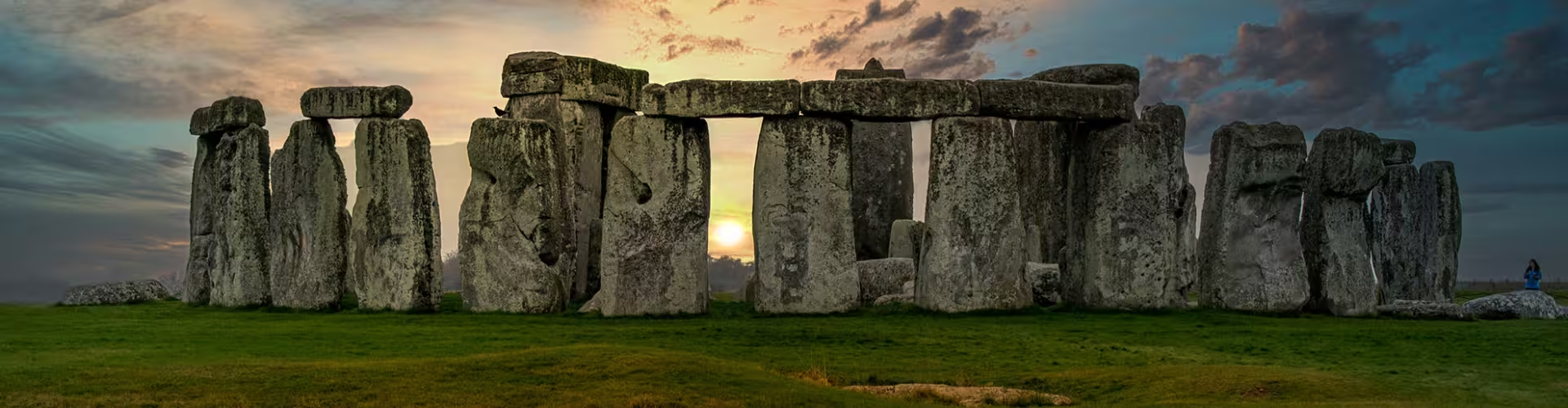
Few places communicate deep time like this, and the surrounding chalk landscape adds to the sense of scale and mystery. It is more than a photo stop, it is a chance to reflect on how people shaped the land long before modern Britain. Practical tip: aim for early or late visiting windows for gentler light and a calmer experience, and book ahead if timed entry is required.
Salisbury Cathedral and Close
Salisbury’s cathedral precinct feels like a self-contained historic world, with green spaces and a strong sense of place. The city itself is walkable, making it easy to combine cultural sightseeing with cafes and independent shops. Practical tip: pair your cathedral time with a slow wander around the Close, then plan a relaxed lunch to break up the day.
Avebury and the wider stone circle landscape
Avebury offers a different mood to Stonehenge, more village-meets-prehistory, where ancient stones sit close to everyday life. It is a great choice if you like exploring at your own pace and noticing details rather than rushing through a single viewpoint. Practical tip: wear comfortable shoes, and allow extra time for short walks that reveal how the monuments relate to the surrounding countryside.
Lacock village
Lacock is known for its preserved historic character, which makes it feel like stepping into a living period set. It is ideal for travelers who enjoy heritage streetscapes, photography, and gentle browsing rather than big-ticket attractions. Practical tip: visit earlier in the day to enjoy quieter lanes, then linger for a warm drink when the village gets busier.
Bradford-on-Avon
This riverside town has a relaxed, creative feel, with historic buildings and scenic walks that suit a half-day or full-day stop. It works well as a contrast to major landmarks, offering a more local slice of England. Practical tip: plan a riverside stroll, then choose a pub meal to round out the visit.
Walking on the chalk downlands
The downland scenery is part of what makes Wiltshire special, wide horizons, open paths, and a sense of quiet distance from city life. Even a short walk can deliver big views and that classic southern England countryside atmosphere. Practical tip: bring layers and a light rain jacket, and start earlier for better visibility and fewer people on popular paths.
Market towns and local high streets
The county’s towns reward unstructured time, browsing shops, finding a bakery, and seeing how local life works. This is where you can balance iconic sightseeing with slower travel moments that make a trip feel personal. Practical tip: check for market days when you arrive, and keep your schedule flexible so you can stay longer if you find a great spot.
🚶 Curated Itineraries
⏰ The Highlights (1 Day): A fast-paced “Best Of” route
Start with an early visit to Stonehenge for the best chance of calmer conditions and clear photos. Continue to Salisbury for cathedral time and a walk around the historic center, then pause for lunch before a short afternoon loop through countryside viewpoints. If you still have energy, finish with an evening stop in a market town for a relaxed meal and a final stroll.
⏰ Deep Dive (2-3 Days): Adding local texture
Day one focuses on the headline sights, Stonehenge plus Salisbury, with time built in for unhurried exploring rather than rushing between stops. Day two shifts to Avebury and nearby villages, adding short walks that show the scale of the prehistoric landscape. Day three can be for Lacock and Bradford-on-Avon, or a countryside-focused day built around downland walking, farm shops, and scenic drives that highlight the rural character of Wiltshire.
🍽️ Flavors of Wiltshire
Traditional pub roast
Expect hearty comfort food, rich gravies, and seasonal vegetables, designed for slow meals after a day outdoors. Ordering tip: if you want the classic experience, choose a Sunday roast when available and arrive earlier to avoid the busiest period.
Ploughman’s lunch
A classic plate built around cheese, bread, pickles, and simple extras, it is ideal when you want something filling without a long wait. Ordering tip: ask what local cheeses are featured, it is often the best part of the board.
Local ales and ciders
The West Country and southern England have a strong brewing and cider tradition, and you will often find regional options on tap. Ordering tip: if you are unsure, ask for a small taste first, many places will help you choose.
Afternoon tea
A slower, sweeter ritual with tea, cakes, and sandwiches, perfect on a cooler day or as a break between sights. Ordering tip: book ahead when possible, especially at popular hotels or tearooms.
Farm shop treats
Farm shops are a highlight for picnic supplies, local produce, and baked goods that travel well. Ordering tip: build a simple countryside picnic and eat it somewhere scenic, then stock up for the next day.
🚌 Navigation & Transport
Getting around Wiltshire can be straightforward with a mix of trains, buses, and car travel depending on your itinerary. Cities and larger towns are generally walkable once you arrive, while rural sights and village-to-village routes are often easiest by car or pre-planned tours. If you are relying on public transport, group your days by area to reduce backtracking and waiting times, and keep an eye on earlier finishes in the countryside.
For accessibility, prioritize destinations with compact centers, and build in rest breaks between major sites. On roads, drive cautiously on narrow lanes, especially after dark or in bad weather. If you are walking, wear sturdy footwear, as paths can be uneven and muddy after rain.
🌄 Beyond the Center: Day Trips
Bath
Travel time varies by starting point, but it is a popular nearby city for Georgian architecture and a strong food scene. It is a great contrast to rural days in Wiltshire, adding urban elegance and museums.
Cotswolds villages
Depending on where you are based, you can reach classic stone-built villages and rolling countryside for a photogenic day out. Go for gentle walks, tea stops, and scenic drives.
Oxford
A rewarding option for history and university architecture, ideal if you want libraries, museums, and a more scholarly atmosphere. Plan a full day to make the travel feel worthwhile.
Bristol
A lively city option for street art, harborside walks, and contemporary culture. It works well if you want a modern counterpoint to heritage-heavy sightseeing.
✅ Insider Tips for Travelers
- Start early for the most popular landmarks, it improves photos and reduces time spent in queues.
- Group your days by area, rural travel can take longer than it looks on a map.
- Pack layers and a light rain jacket, weather can change quickly in the UK.
- Wear shoes suitable for uneven paths, especially if you plan downland walks.
- Build in time for market towns, these slower moments often become trip highlights.
- If you want guided interpretation at prehistoric sites, consider booking a tour in advance.
❓ Frequently Asked Questions, FAQ
How many days do I need for Wiltshire?
One day covers the biggest highlights if you plan tightly. Two to three days lets you add Avebury, villages, and countryside walks without rushing.
Is it better to stay in Salisbury or in the countryside?
Salisbury is convenient for rail connections and a walkable base with dining options. A countryside stay suits travelers who want quiet evenings and easier access to rural routes.
Do I need a car to visit Stonehenge and Avebury?
A car makes it simpler to link rural sites and villages in one day. Without a car, plan carefully around public transport or choose a guided tour to reduce logistics.
What should I pack for a trip to Wiltshire?
Bring comfortable walking shoes, layers, and a light rain jacket for changeable conditions. A day bag and a reusable water bottle are also useful for longer sightseeing days.
When is the best time to visit Wiltshire to avoid crowds?
Aim for weekdays and earlier start times, especially in peak travel seasons. Spring and autumn often feel calmer while still offering good daylight for exploring.
This guide explains how to plan a trip to Wiltshire with practical logistics, curated experiences, and itinerary ideas. It is designed by Toursxplorer.com to support confident travel decisions across key towns, landmarks, and nearby day trips.
Europe, United Kingdom, England, South East England, Wiltshire