Brighton is a high energy seaside city where Regency elegance meets indie creativity, with a pebbled shoreline, a famous pier, and a compact center made for wandering. Come for the salt air and people watching, stay for the lanes of small shops, the café culture, and the easy access to the South Downs. This guide helps you plan smarter, from timing and transport to what to prioritize once you arrive in Brighton.
Brighton feels playful and free spirited, with a beach town rhythm layered over a culture forward city scene. It is ideal when you want a quick coastal reset without sacrificing food, art, and nightlife. Go now if you are craving walkable days, sea views, and a destination that rewards curiosity street by street.
Brighton sits on the south coast of England in Sussex, facing the English Channel and backed by the rolling landscapes of the South Downs. It is commonly paired with nearby Hove as a single urban coastline, which makes it feel larger while still being easy to navigate on foot. For gateways, most travelers route through London area hubs and then continue by rail or road, with the city also functioning as a convenient base for exploring Sussex towns and countryside.
Expect a classic UK coastal pattern, with milder, brighter days drawing bigger crowds and a busier events calendar. Peak summer tends to feel most animated along the seafront and in the central shopping lanes, while shoulder seasons are often better for unrushed museum visits, long walks, and easier restaurant bookings. In cooler months, the city leans into cozy pubs, galleries, and indoor attractions, and the beach becomes more about bracing strolls and dramatic skies than sunbathing.
Plan to pay in pounds sterling, and expect a range of spending styles, from budget bites to higher end dining and boutique stays. Card payments are widely accepted in cities like this, but carrying a small amount of cash can still help for quick snacks, markets, or small purchases. To keep costs predictable, consider booking accommodation early for weekends and school holiday periods, and build in free experiences like beach walks, viewpoints, and neighborhood exploring.
Brighton rewards travelers who mix classic seaside icons with time in its small streets and creative spaces. Here are curated experiences that balance atmosphere, culture, and practicality, including Brighton Pier, Royal Pavilion Brighton, and the best of Brighton Lanes shopping.
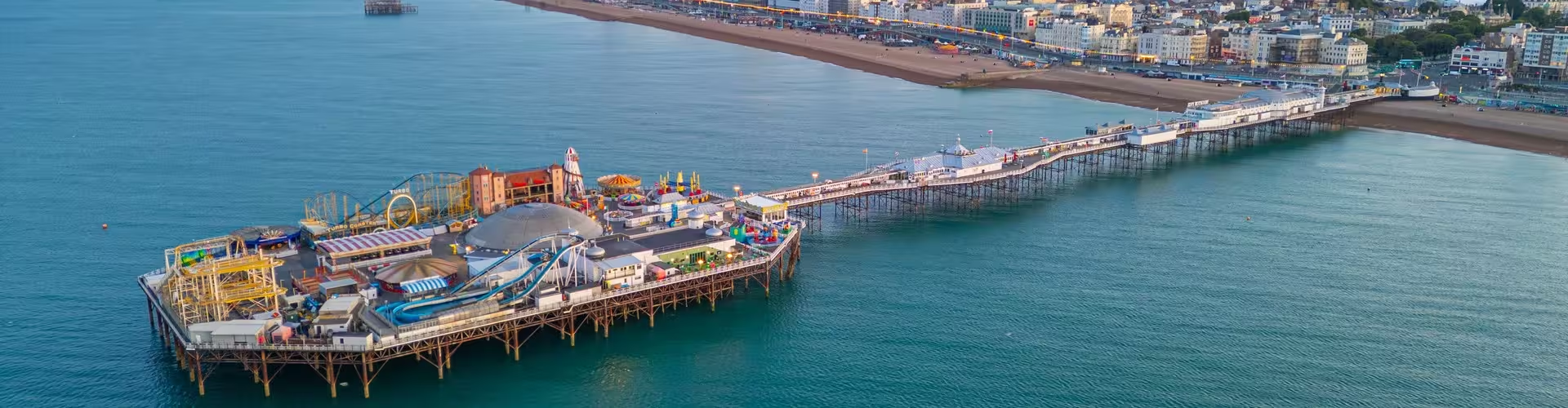
Brighton Palace Pier
Why it matters, the pier is part nostalgia and part theater, a place where the seaside tradition of arcades and rides still frames the modern city skyline. It is also one of the easiest spots for wide angle photos back toward the beachfront and the built up promenade. Practical tip, go early for calmer crowds, or come later for lights and a livelier atmosphere.
Royal Pavilion
Why it matters, this landmark is central to understanding Brighton as more than a beach town, with a distinctive look that signals the city’s Regency era ambition and flair. It is an ideal anchor attraction when you want a cultural reset between seafront walks and shopping. Practical tip, pair it with a slow wander through the surrounding gardens for a quieter moment in the middle of the city.
The Lanes
Why it matters, these narrow streets are the heart of the city’s independent spirit, full of small storefronts that make exploring feel like a treasure hunt. Even if you do not buy anything, the atmosphere is a highlight, with constant visual details and a steady hum of conversation. Practical tip, visit earlier in the day for easier browsing, then return in the evening when the area shifts toward dining and drinks.
North Laine
Why it matters, this neighborhood leans creative and alternative, with a street by street mix of cafés, vintage finds, and local makers. It is a strong choice if you want the city’s everyday character rather than only headline sights. Practical tip, build in time to pause, the best discoveries here often happen when you slow down and follow what catches your eye.
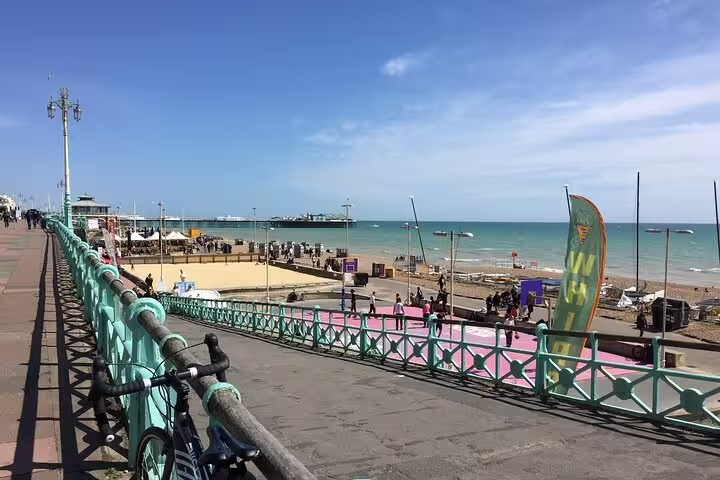
Brighton Beach and Seafront Promenade
Why it matters, the pebbled beach sets the tone, and the promenade is where you see how locals use the city, running, cycling, meeting friends, and grabbing takeaway. It is also the easiest way to connect multiple areas without overthinking directions. Practical tip, bring shoes that handle pebbles comfortably, and pack layers because coastal breezes can change the feel of the day.
Brighton Marina
Why it matters, the marina adds a different coastal view, with boats, open water perspectives, and a more spacious feel than the central seafront. It is a good contrast if the main promenade feels busy. Practical tip, time it around golden hour for softer light and a calmer mood.
Sea Life Brighton
Why it matters, this is a reliable indoor option when the weather turns, and it suits families or anyone wanting a break from walking. It also adds variety to a seafront focused itinerary. Practical tip, consider visiting earlier in the day to avoid peak crowds, especially on weekends.
Brighton i360
Why it matters, this modern viewpoint experience is about seeing the coastline and city layout in one sweep, which helps you understand Brighton geographically. It is especially appealing if you like skyline views and photography. Practical tip, choose a clear day for the best visibility, and plan a seafront walk before or after to make the most of the location.
Start with a seafront walk to set the pace, then head to Brighton Pier for classic seaside energy and wide views. Move inland to the Royal Pavilion Brighton area for a cultural centerpiece and a calmer garden break. Spend your afternoon in Brighton Lanes shopping and nearby streets, then finish with a relaxed promenade stroll, choosing a spot that matches your mood, lively near the pier or quieter farther along the coast.
On day one, combine the seafront icons with the Pavilion and a focused wander through The Lanes. On day two, explore North Laine at a slower pace, then shift to a different coastal perspective at the marina, using the change of scenery to keep the trip feeling fresh. If you have a third day, build in flexible time for viewpoints, indoor attractions if the weather changes, and a longer walk that links neighborhoods, since Brighton is at its best when you let the day unfold rather than rushing from checklist to checklist.
Brighton is known for a varied, modern food scene shaped by seaside classics, casual café culture, and a strong independent streak. These are easy to seek out without needing a rigid plan.
Fish and chips
Taste profile, crisp batter, flaky fish, and salty comfort that fits the coastal setting. Ordering tip, ask for it freshly cooked, and consider eating it by the sea while it is hot.
Seaside ice cream
Taste profile, sweet and simple, ideal after a long promenade walk. Ordering tip, go for a classic flavor when the wind is up, it is less messy and still hits the spot.
Afternoon tea
Taste profile, a mix of sweet pastries and savory bites, paired with tea for a slower, more elegant pause. Ordering tip, schedule it between sightseeing blocks, it works well as a reset on a busy day.
Sunday roast
Taste profile, hearty and warming, especially satisfying in cooler months. Ordering tip, aim for an earlier seating if you prefer a quieter pub atmosphere.
Craft beer
Taste profile, often hop forward or balanced, depending on the style, and well suited to relaxed evenings. Ordering tip, try a tasting flight if available, it is an efficient way to find what you like.
Vegetarian and vegan friendly plates
Taste profile, typically fresh, colorful, and globally influenced, reflecting the city’s modern dining culture. Ordering tip, look for seasonal specials, they are often the most interesting choice.
Brighton is compact, and many top sights are walkable, especially between the seafront, the Pavilion area, The Lanes, and North Laine. Walking is often the fastest way to absorb the city’s character, but build in breaks because pebbled beach sections and busy streets can add up over a full day. For longer hops, local buses and taxis can help, and ride sharing may be available depending on current local coverage.
For accessibility, plan routes that prioritize flatter streets if needed, and remember that coastal weather can affect comfort more than distance. Keep an eye on personal belongings in crowded areas like the pier and popular shopping lanes, as you would in any busy UK city center.
One of the best reasons to base yourself in Brighton is how quickly the scenery changes once you leave the seafront, with countryside, cliffs, and historic towns within easy reach. Travel times vary by route and transport, so treat these as flexible ideas rather than fixed schedules.
South Downs National Park
Reason to visit, open landscapes and big sky walks that feel worlds away from the city. Travel time, typically a short trip from the city depending on your starting point and transport.
Seven Sisters and the Sussex cliffs
Reason to visit, dramatic coastal scenery and iconic viewpoints that deliver classic southern England coastal drama. Travel time, commonly doable as a day trip, with timing depending on connections.
Lewes
Reason to visit, a historic market town atmosphere with traditional streets and a slower pace than the coast. Travel time, generally quick from Brighton by local transport.
Arundel
Reason to visit, heritage focused exploring and a scenic town setting that pairs well with countryside wandering. Travel time, feasible as a day trip with planning.
Chichester
Reason to visit, a cathedral city feel and a cultural change of pace from the beachfront energy. Travel time, workable as a day trip depending on your route.
Q1: Is Brighton easy to explore without a car?
A: Yes, the center is compact and many major sights are close enough to reach on foot. For longer distances, local buses and taxis can help you connect neighborhoods and the marina.
Q2: How many days do I need for Brighton?
A: One day covers the main seafront highlights and a quick look at The Lanes. Two to three days lets you slow down, add North Laine, and include a day trip into Sussex.
Q3: What is the best time of year to visit Brighton?
A: Warmer months bring the biggest beach energy and the busiest atmosphere. Shoulder seasons are often better if you want a calmer pace while still enjoying long walks and outdoor time.
Q4: What should I pack for a trip to Brighton?
A: Bring layers and a wind resistant outer layer, since the coast can feel cooler than inland areas. Comfortable walking shoes are essential, especially if you plan to spend time on the promenade and pebbled beach.
Q5: What are the must see areas for first timers in Brighton?
A: Focus on the seafront and pier, then head inland to the Royal Pavilion area for a cultural anchor. Make time for The Lanes and North Laine to get a feel for Brighton’s independent shopping and café scene.