South East England

logoBlack

Build your dream
experience

dreamimg

More to know about South East England


South East England Travel Guide

South East England is where royal heritage, chalk cliffs, vineyard-dotted countryside, and creative seaside towns sit within easy reach of London. This guide focuses on practical decisions, how to structure your time, and what each place feels like on the ground, so you can plan with confidence. Expect a mix of iconic landmarks, coastal walks, market towns, and food experiences that reward slow wandering as much as fast highlights.


Snapshot

South East England blends grand history with outdoorsy, salt air energy, plus a modern food and arts scene that keeps the region feeling current. Go for the contrast, you can tour castles and cathedrals in the morning, then end the day on a beach promenade or in a countryside pub. It is especially appealing when you want variety without long travel days, because many top spots connect well by rail and road.


🗺️ Geography and Logistics

📍 Orientation: Where is it within England and United Kingdom?

South East England sits in the south of England, wrapping around London and stretching to the Channel coast. It includes a mix of coastal counties and inland landscapes, from chalk downs to historic towns. Key gateways include London’s major airports and rail hubs, which make it straightforward to base yourself in the capital and branch out, or stay in a regional city and explore locally.

🕒 When to Go: Seasonal breakdown

Spring and early summer bring longer daylight and gardens at their best, with comfortable conditions for coastal paths and countryside walks. Peak summer generally means the biggest crowds at beaches, landmark towns, and popular day trip routes, so planning earlier starts helps. Autumn can feel calmer while still offering good walking weather, and winter is best for museums, cozy pubs, festive markets, and shorter, bracing seaside strolls.

💰 Budget & Currency

The currency is the British pound. Cards are widely accepted, and contactless payments are common, but carrying a small amount of cash can still help for small purchases, tips, or rural spots. Costs vary widely, with coastal resorts and heritage hotspots often feeling pricier than smaller towns, so consider mixing highlight days with lower-cost countryside and walking days.


⭐ Essential Things to Do

1) Explore historic cities and cathedral towns
Many of the region’s most memorable moments come from walking streets shaped by medieval trade, pilgrimage routes, and later Georgian growth. Cathedral towns often concentrate history into a compact center, which makes them ideal for a half-day visit. Practical tip, arrive earlier in the day for quieter streets and better photos, then linger for a café break once day trippers arrive.

2) Walk the chalk downs and countryside trails
The rolling hills and open skylines are part of the signature look of the south of England, especially where chalk landscapes create bright, grassy slopes and wide views. It is one of the best ways to experience the region beyond its headline attractions, because the pace slows and villages feel more local. Practical tip, pack a light rain layer and comfortable shoes, and plan a pub stop as a natural midpoint.

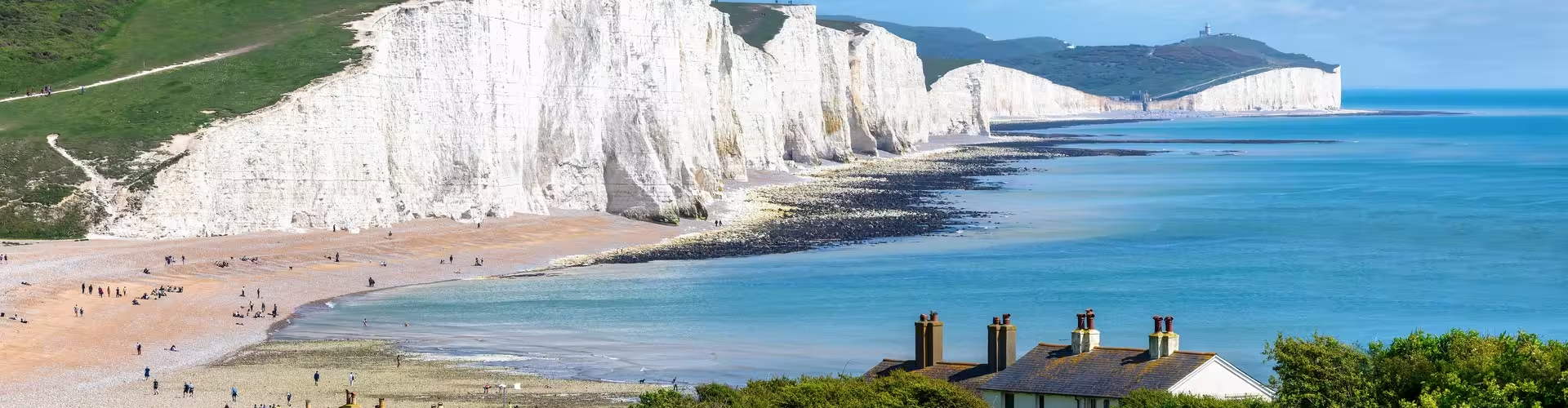
3) Do a classic coast day with cliffs and beaches
The coastline is a major reason to choose South East England, with a mix of dramatic viewpoints, pebble beaches, and traditional seaside promenades. A coast day balances scenic walking with simple pleasures like fish and chips and arcade energy in resort towns. Practical tip, check tide times if you want to walk below cliffs or explore broad beach sections.

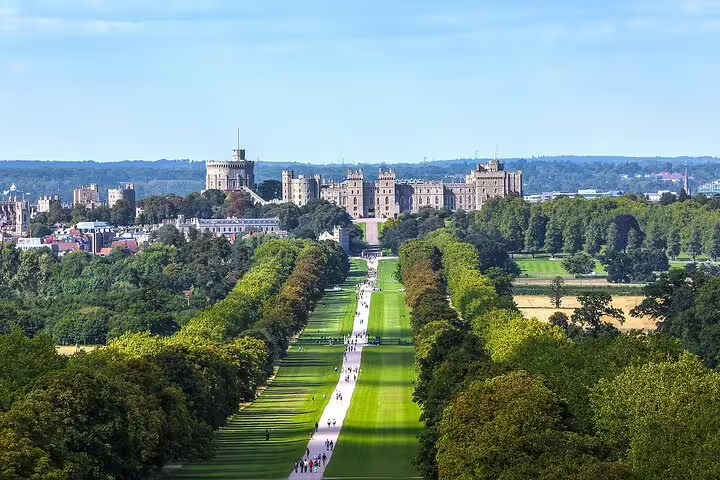
4) Visit castles and royal connections
This region is rich in defensive castles, stately homes, and royal history that links to major chapters of England’s story. Even if you do not tour every interior room, the grounds, gatehouses, and surrounding towns often deliver the strongest sense of place. Practical tip, prioritize one major castle visit and pair it with a nearby town for lunch to keep the day varied.

5) Spend time in market towns and local high streets
Market towns are where you get the everyday rhythm, independent shops, bakeries, antiques, and weekend markets. They are also excellent for slow travel, because you can build an itinerary around browsing, a long lunch, and a short walk. Practical tip, aim for midweek if you prefer quieter streets, or weekends if you want the fullest market atmosphere.

6) Seek out gardens, estates, and landscaped parks
Designed landscapes are a defining pleasure of the region, from formal gardens to wilder parkland. They offer a different lens on history, showing how wealth, taste, and horticulture shaped the countryside. Practical tip, go in the morning for softer light and fewer crowds, and bring a reusable water bottle for long grounds walks.

7) Try a vineyard or local drinks experience
Parts of the south have a growing reputation for English wine, and tasting rooms can be a relaxing contrast to city sightseeing. It is also a good way to understand the local food scene, which often emphasizes seasonal produce and modern British cooking. Practical tip, book ahead when possible, and consider visiting earlier in the day if you are driving later.

8) Add a creative seaside town for arts and culture
Beyond the classic resort vibe, several coastal towns lean into galleries, independent cafés, and live events, creating an atmosphere that feels contemporary and playful. These places are ideal for travelers who want more than a beach photo, because you can combine shopping, culture, and sea views in one stop. Practical tip, plan for a late afternoon visit and stay through sunset for the best ambience.


🚶 Curated Itineraries

⏰ The Highlights (1 Day)

Start with a historic town or compact city center, focusing on one major landmark plus a short walk through older streets. After lunch, shift to a coastal viewpoint or beach promenade for a change of scenery and a classic seaside snack. End with a relaxed dinner in a market town or neighborhood known for independent restaurants, keeping travel time manageable by choosing stops on the same rail line or driving corridor.

⏰ Deep Dive (2-3 Days)

Day one, anchor yourself in a heritage hub, then add a castle or estate in the afternoon for a strong sense of regional history. Day two, dedicate time to the outdoors, with a chalk down walk or coastal path section, plus a pub lunch to break up the day. Day three, slow down in a market town and add a vineyard or garden visit, which rounds out the trip with food, scenery, and local atmosphere.


🍽️ Flavors of South East England

Fish and chips
Crisp batter, flaky fish, and salty chips are a seaside staple, best enjoyed fresh near the coast. Ordering tip, ask for it wrapped to take to the promenade, and add a side like mushy peas if you want a fuller meal.

Sunday roast
A comforting plate built around roasted meat or a vegetarian centerpiece, plus potatoes, vegetables, and gravy. Ordering tip, book ahead for popular pubs, and arrive hungry because portions can be generous.

Ploughman’s lunch
A pub classic featuring bread, cheese, and pickles, often with extras like ham or salad. Ordering tip, it is ideal when you want something filling without a long wait, especially on walking days.

English sparkling wine
Bright, crisp, and often citrus-led, it pairs well with seafood and light dishes. Ordering tip, try a tasting flight if available so you can compare styles without committing to a full bottle.

Cream tea
Scones with jam and cream, served with tea, make a satisfying mid-afternoon break. Ordering tip, treat it as a planned pause between attractions, because it is more filling than it looks.

Seasonal pub desserts
Think warm, comforting sweets that suit cooler days and countryside stops. Ordering tip, ask what is homemade, and consider sharing if you want to sample more than one option.


🚌 Navigation & Transport

Getting around South East England can be straightforward if you plan around rail corridors for towns and cities, then use buses, taxis, or short rideshares for last-mile connections. Driving opens up rural villages, gardens, and trailheads, but parking and busy summer roads can add time, especially in coastal hotspots. For many travelers, a hybrid approach works best, use trains for major moves, then pick a few days for local driving or guided tours.

Walking is often the best way to experience historic centers, where narrow streets and older layouts reward slow exploration. For accessibility, check terrain expectations in advance, because coastal paths and countryside trails can include uneven surfaces and steep sections. As a general safety note, keep an eye on changing weather near the coast, and carry layers even on mild days.


🌄 Beyond the Center: Day Trips

1) Oxford
Often reached in around an hour from London by train, Oxford is a high-impact day trip for architecture, college history, and riverside walks. The city feels scholarly and cinematic, with plenty of museums and bookish corners.

2) Cambridge
Typically around an hour to 90 minutes from London by train, Cambridge offers a different university-city mood with elegant streets and green spaces. It is ideal if you want a culture-heavy day with a relaxed pace.

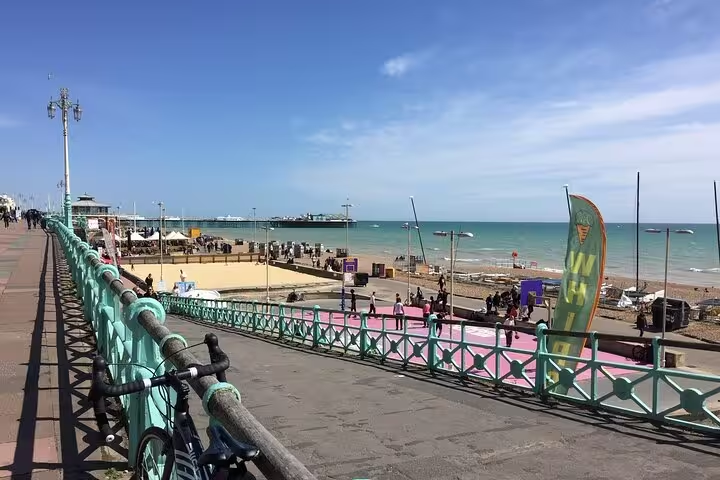
3) Brighton
Commonly about an hour from London by train, Brighton mixes beach energy with independent shops, nightlife, and a creative food scene. It is a strong choice when you want seaside atmosphere without complicated logistics.

4) Canterbury
Often around 1.5 to 2 hours from London by train, Canterbury is known for its historic character and cathedral heritage. It works well as a focused history day with time for cafés and riverside strolling.

5) The White Cliffs coast
Travel times vary by starting point, but it is a classic option for dramatic views and bracing sea air. Go for walking, photography, and a sense of England’s Channel edge.


✅ Insider Tips for Travelers

  • Start popular days early, coastal towns and landmark centers can feel significantly calmer before late morning.
  • Build in buffer time for weather changes, especially on cliff walks and exposed viewpoints.
  • Mix one major paid attraction with free or low-cost experiences like walks, markets, and viewpoints to balance your budget.
  • If you are relying on trains, plan your day around one main line and cluster nearby stops to reduce connection stress.
  • For countryside days, pack a light layer, comfortable shoes, and a portable charger, distances can feel longer than expected.
  • Choose a base that matches your trip style, a city for nightlife and dining, or a smaller town for quieter evenings and faster access to trails.

❓ Frequently Asked Questions, FAQ

Is it better to base myself in London or stay within the region?
London is convenient for rail connections and lets you day trip efficiently. Staying locally can reduce transit time and gives you quieter evenings, especially if you plan countryside walks or coastal days.

How many days do I need for South East England?
One day covers a highlights loop, but 2 to 3 days lets you balance heritage, coast, and countryside at a more relaxed pace. For South East England, extra time is most valuable when you want walking days and market town browsing.

Do I need a car to explore?
You can see many towns and cities by train, then walk once you arrive. A car helps for rural trailheads, gardens, and villages, but it can add parking and traffic considerations in busy seasons.

What should I pack for a trip?
Bring comfortable walking shoes, a light rain layer, and clothing you can layer for changing conditions. If you plan coastal paths, add sun protection and a windproof outer layer.

When is the best time to visit South East England for fewer crowds?
Spring and autumn often feel calmer than peak summer while still being pleasant for walking. In South East England, midweek travel can also reduce crowds in popular coastal towns and heritage hotspots.