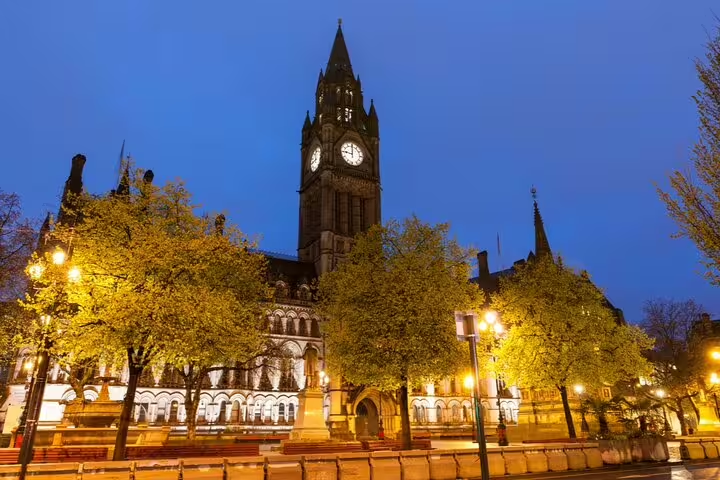
Manchester is a proud, music loud, football fluent city where industrial heritage meets modern neighborhoods built for independent shopping, galleries, and late night food. It rewards travelers who like to mix big headline sights with small local moments, a canal side walk, a pub conversation, a museum that shifts how you see the city. Use this guide to plan a trip that balances culture, comfort, and smart logistics, so your time in Manchester feels effortless and full.
Manchester feels energetic and creative, with a strong sense of identity shaped by industry, activism, sport, and music. Go for the mix of world class museums, distinctive neighborhoods, and an easy day trip radius that opens up northern England. It is especially satisfying right now if you want a city break that is walkable at the center, well connected by rail, and packed with indoor options when the weather turns.
Manchester sits in North West England, positioned as a major urban hub between Liverpool, Leeds, and the Peak District edge. It is one of the United Kingdom’s best connected cities for rail, making it practical for multi stop itineraries across England. For air access, the main gateway is Manchester Airport, and for rail, Manchester Piccadilly is the key city center station for arrivals and onward connections.
Expect a temperate climate with changeable skies, so layers and a light rain jacket are useful in any season. Spring and early summer tend to bring longer days that suit neighborhood wandering, canal side walks, and outdoor dining when conditions cooperate. Autumn and winter lean into the city’s indoor strengths, museums, galleries, live music venues, and cozy pubs, with crowds often influenced by football fixtures, concerts, and school holidays.
The local currency is the British Pound. Card payments are widely accepted across the city, including public transport and casual dining, though it is still worth carrying a small amount of cash for smaller purchases or tips. Budget wise, costs vary by area and event calendar, so booking accommodation earlier can help if you are traveling around major matches, festivals, or peak weekends.
Northern Quarter
This is the city’s indie creative heart, known for street art, record shops, vintage finds, and coffee stops that turn into long afternoons. It matters because it shows Manchester beyond the headline attractions, a place where local style drives the experience. Practical tip, go earlier in the day for browsing, then return in the evening when the bars and music spots bring the area to life.
Castlefield and the canals
Castlefield connects Roman roots and industrial era infrastructure through waterways, converted warehouses, and calm paths that feel surprisingly peaceful for a city center. It matters because it frames how Manchester grew, and why canals and rail shaped its identity. Practical tip, walk the canal side route in good daylight for easier navigation and better photo angles along bridges and reflections.
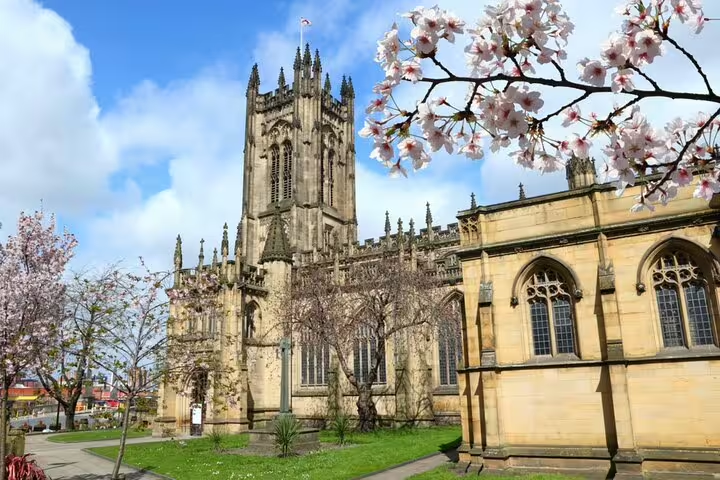
Manchester Cathedral and the historic core
The cathedral area anchors the older city story, offering a quieter counterpoint to the shopping streets and nightlife. It matters because it gives you a sense of continuity, from medieval layers to the modern city around it. Practical tip, pair this with a short walk to nearby riverside viewpoints to understand the city’s geography in a few minutes.
Science and Industry heritage
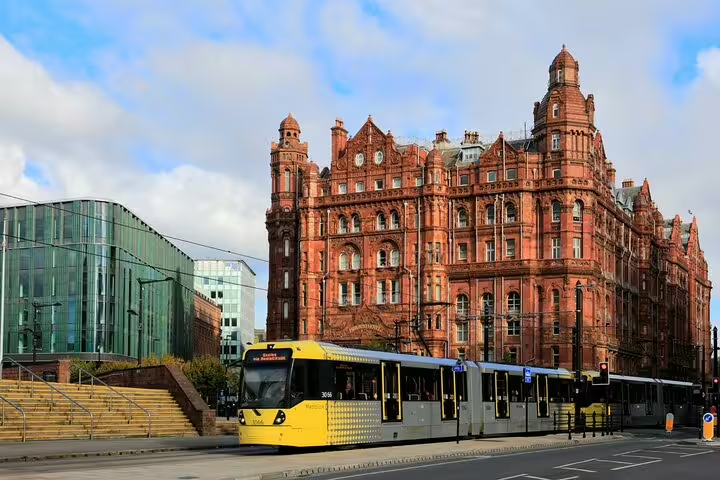
This city is inseparable from the Industrial Revolution, and exploring that legacy helps the streets make sense, the warehouses, the canals, the rail lines, and the workers’ neighborhoods. It matters because it is the backbone of Manchester as a global story, not just a local one. Practical tip, plan this for a weather uncertain day, and give yourself time to read exhibits rather than rushing for photos.
Football culture
Even if you are not a lifelong fan, football is part of the city’s language, and it shapes the weekend atmosphere in pubs, on trains, and in conversation. It matters because it is one of the clearest ways to experience local pride and community rituals. Practical tip, on match days, build extra time into transport plans and consider booking meals ahead if you want a specific spot.
Manchester music roots
The city’s music legacy is a living thing, reflected in venues, record stores, and the way locals talk about gigs. It matters because music is one of the most recognizable exports of Manchester, and the live scene still influences nightlife choices. Practical tip, check venue listings before you arrive and choose one evening to commit to a show rather than leaving it to chance.
Chinatown and the city’s global flavors
Chinatown adds a concentrated burst of food and culture close to the central shopping and theater areas. It matters because it shows how international the city feels, and how easy it is to eat well without over planning. Practical tip, arrive hungry and share dishes, it is the simplest way to sample more of the menu.
Spinningfields and modern Manchester
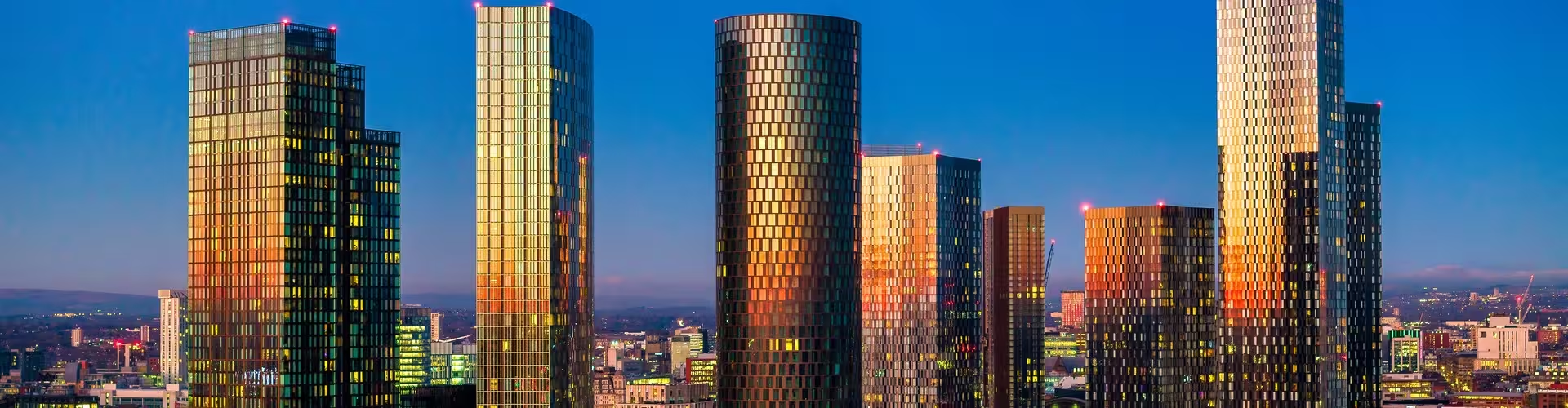
This area highlights the city’s newer, polished side, with contemporary architecture, dining, and a business district rhythm. It matters because it contrasts with the industrial brickwork and indie neighborhoods, showing the city’s range. Practical tip, it is a good place for a smarter dinner or cocktails, especially if you want a more refined night out.
Start in the historic core for a quick orientation walk, then head toward the Northern Quarter for coffee, street art, and shops. Spend midday exploring the city’s industry and innovation story, then take a late afternoon canal side walk around Castlefield to reset the pace. Finish with dinner in Chinatown or a central neighborhood, then choose a live music venue or a classic pub to close the night.
Day one follows the highlights route, but with more time for museums and neighborhood wandering. Day two focuses on contrasts, modern Spinningfields, then back into older industrial streets, ending with a football culture evening if a match day atmosphere is available. If you have a third day, keep it flexible for a day trip, or slow travel within Manchester by picking one neighborhood and exploring it on foot, stopping often for food and galleries.
Chippy tea, fish and chips
Crisp batter, flaky fish, and hot chips are classic comfort food, especially welcome after a wet weather walk. Ordering tip, ask for salt and vinegar if you want the traditional punchy finish.
Sunday roast
Roast meat or a vegetarian alternative with potatoes, vegetables, and gravy is a pub ritual that feels like a weekly reset. Ordering tip, arrive earlier rather than later, popular places can run out of certain options.
Meat pie with gravy
A hearty northern staple, savory and warming, often paired with mashed potatoes or peas. Ordering tip, if you want something more filling, choose a pie based dish as your main rather than a snack.
Indian and Pakistani curries
The Greater Manchester area has a strong South Asian food scene, with rich sauces, grilled meats, and breads that turn a meal into a shared event. Ordering tip, mix one creamy dish with one spicy option, and add naan or rice for balance.
Craft beer and local pubs
From traditional ales to modern IPAs, the city’s pub culture is a practical way to rest your feet and absorb local conversation. Ordering tip, if you are unsure, ask for a small pour first, many bars will help you choose.
Sticky toffee pudding
A soft sponge dessert with a deep caramel sauce, comforting and rich. Ordering tip, it is often best shared after a big meal, especially if you want to sample more than one dessert.
Central Manchester is highly walkable, and many key areas connect naturally on foot, especially the historic core, Northern Quarter, and canal side routes. For longer hops, use local public transport and trains from the main stations, which are useful for reaching outer neighborhoods and day trips. Ride sharing and taxis can help late at night or in heavy rain, but plan extra time around major events when roads and pickup points get busy. For safety, stick to well lit routes after dark and keep an eye on belongings in crowded areas, as you would in any major city.
Liverpool
Around an hour by train depending on service, Liverpool is ideal for maritime history, music heritage, and a different waterfront city feel. Go for museums, docks, and a strong cultural scene that complements Manchester.
Peak District
Travel time varies by route and starting point, but it is a classic escape for hiking, viewpoints, and stone villages. Go for fresh air and landscapes that contrast sharply with the city’s brick and glass.
Chester
Roughly around an hour by train depending on service, Chester offers a historic atmosphere and an easy pace for a full day out. Go for heritage streets and a change of tempo.
York
Typically reachable by train in a couple of hours depending on service, York is strong on medieval character and walkable sightseeing. Go for history and a compact center that feels very different from Manchester.
Is Manchester walkable for first time visitors?
Yes, the central areas are easy to explore on foot, especially if you group sights by neighborhood. For longer distances or bad weather, public transport and taxis make it simple to keep moving.
How many days do I need in Manchester?
One day covers the highlights, but two to three days gives you time for museums, neighborhoods, and a relaxed evening plan. Add an extra day if you want a day trip to nearby cities or countryside.
What is the best time of year to visit Manchester?
Spring and early summer are great for longer daylight and outdoor wandering when conditions are mild. Autumn and winter work well if you prioritize museums, pubs, and live music.
Do I need cash in Manchester?
Cards are widely accepted, including for transport and casual dining in Manchester. It is still useful to carry a small amount of cash for small purchases or tips.
Are day trips easy from the city center?
Yes, the rail connections make day trips straightforward, especially to nearby cities. Check train times in advance and keep your return plan flexible if you are traveling on busy weekends.