Cambridge is a compact, walkable city where medieval college courts, riverside meadows, and independent cafés sit within minutes of each other. The atmosphere feels scholarly yet lively, shaped by the University of Cambridge, cycling culture, and a calendar of talks, exhibitions, and seasonal events. This guide helps you plan what to see, how to get around, what to eat, and how to structure a trip that fits your pace.
Cambridge blends postcard architecture with a relaxed, outdoorsy rhythm, especially along the River Cam and its green commons. Go for iconic college scenery, museums with real depth, and an easy day to night flow from bookshops to pubs. It is at its best when you mix headline sights with slow moments, a punt on the river, a picnic, or a long walk through historic lanes.
Cambridge sits in the east of England, within the United Kingdom, and works well as a short break from London or as a stop on a wider England itinerary. It is connected by frequent rail links, and the city center is compact enough that many visitors do not need a car. For international arrivals, London’s major airports are common gateways, then you continue by train or coach to the city.
Spring and early summer bring long daylight and a fresh, green look to the college gardens and riverside paths, which can mean higher demand for accommodation. Summer tends to feel busy in the central lanes and near the main college entrances, especially on weekends, so early starts help. Autumn often suits museum days and long walks with fewer crowds, while winter is quieter and more atmospheric, with shorter days that reward planning your outdoor time earlier.
The local currency is the British pound. Many places accept card payments, including small cafés and shops, but it is still useful to carry a small amount of cash for small purchases or tips. Budget levels vary, with central areas near the colleges typically costing more, so consider eating a little outside the busiest streets or balancing sit down meals with bakery stops and market style lunches.
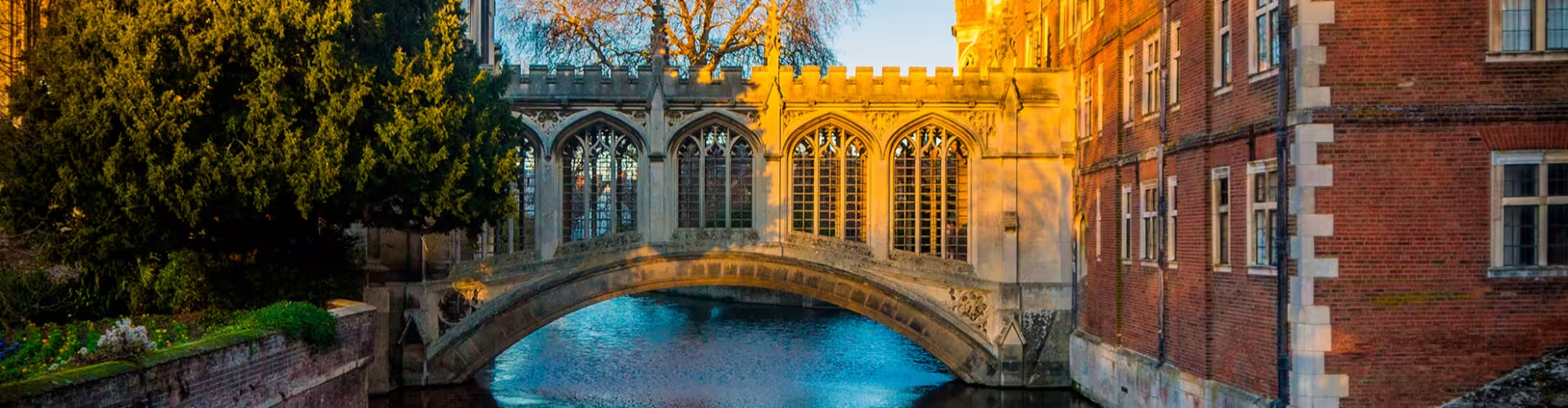
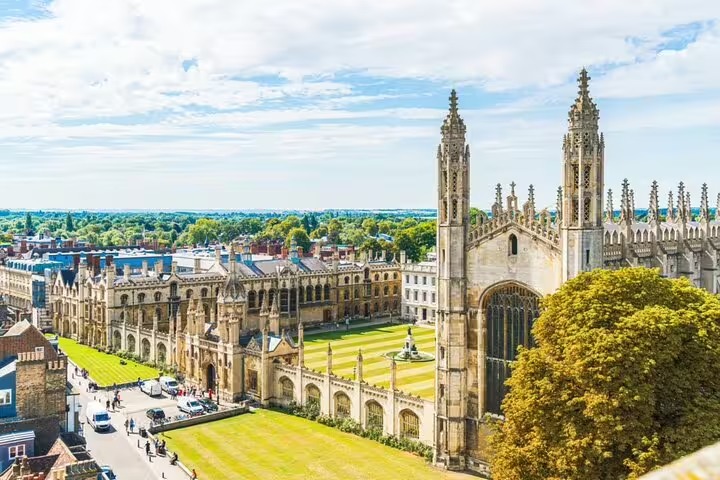
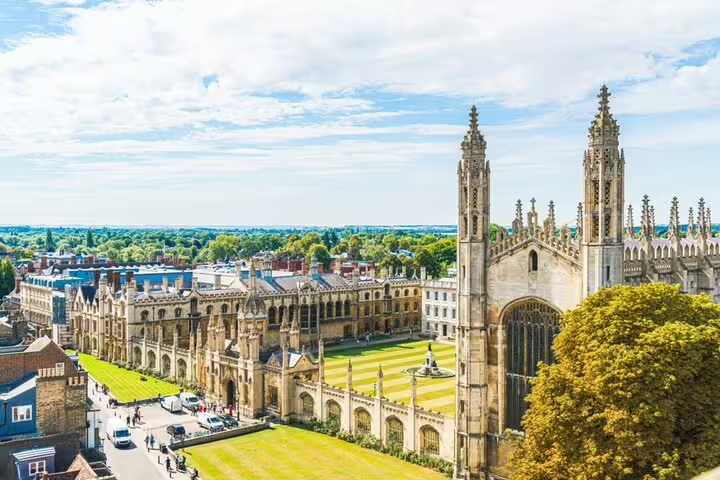
University of Cambridge colleges. The colleges are the city’s visual signature, with grand gates, chapels, and courtyards that reveal centuries of academic life. They are not only beautiful, they also explain the city’s layout and traditions. Practical tip, plan a simple route that groups nearby colleges together so you spend more time exploring and less time backtracking.
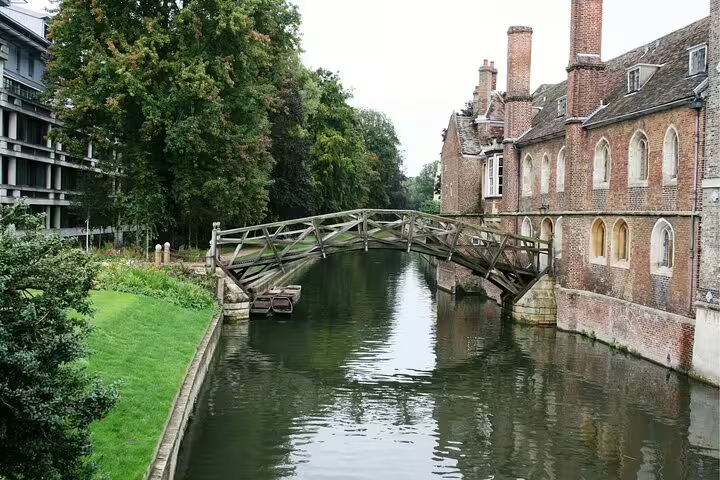
Punting on the River Cam. A punt ride gives you a calm, low angle view of bridges and riverside college backs, and it is one of the most memorable ways to understand the city’s relationship with the water. The pace is slow, which makes it ideal for photos and for a rest between walking stretches. Practical tip, go earlier in the day for a quieter river and clearer views.
King’s College Chapel. This is one of the most recognized buildings in Cambridge, admired for its scale and craftsmanship. Even if you are not focusing on architecture, it helps anchor the story of how the university grew and why the city feels so distinctive. Practical tip, visit at a time when you can also walk nearby lanes and river paths to extend the experience.
The Backs riverside walk. The Backs refers to the green riverside area behind several colleges, and it is where the city feels most open and scenic. It balances the dense, historic center with lawns, trees, and wide views. Practical tip, bring a light layer and allow time to pause on benches, it is a place that rewards slowing down.
Fitzwilliam Museum. This major museum adds depth to a trip with collections that can turn a quick visit into a longer cultural afternoon. It is also a good option when the weather shifts and you want an indoor plan without leaving the center. Practical tip, pick a few sections that match your interests rather than trying to see everything at once.
Cambridge University Botanic Garden. The botanic garden offers a calmer side of the city and a break from stone courtyards and shopping streets. It is ideal for travelers who like plants, photography, or simply a quiet walk. Practical tip, schedule it as a reset between busy sightseeing blocks, especially if you are traveling with family.
Market Square and independent shopping. The market area is a practical stop for casual food, small gifts, and a quick sense of everyday local life. It also makes a convenient meeting point because it sits near many central routes. Practical tip, use it to build a flexible lunch plan, then keep your afternoon open for museums or the river depending on the weather.
Cycle friendly city exploring. Cycling is part of the local identity, and seeing the city by bike can make a short trip feel much bigger. It is also useful for reaching quieter green spaces without relying on taxis. Practical tip, stay alert at junctions and keep to a steady pace, central streets can be busy with bikes and pedestrians.
Cambridge museums beyond the headline. Alongside the biggest names, the city has smaller collections tied to science, nature, and university research culture, which fits the city’s intellectual vibe. These are great when you want something focused and less crowded. Practical tip, choose one niche museum that matches your interests, then pair it with a café stop nearby.
Evening pubs and conversation culture. Evenings in Cambridge often revolve around pubs, casual dining, and long conversations, which suits the city’s academic atmosphere. It is a low effort way to end a day of walking and still feel connected to local life. Practical tip, aim for an early dinner if you want a quieter table, then take a short post meal stroll through the lit up lanes.
Start with a morning walk through the central college area, focusing on a small cluster so you can appreciate the courtyards and lanes without rushing. Continue to the River Cam for a punt or a riverside walk along the Backs, then pause for an easy market lunch. Spend the afternoon at the Fitzwilliam Museum or a smaller university museum, then finish with an evening pub meal and a short walk to see the historic center in softer light.
On day one, cover the core sights, colleges, the river, and one museum, then keep your evening relaxed. On day two, add the Cambridge University Botanic Garden and longer walks that connect green spaces with quieter streets, plus time for independent bookshops and cafés. If you have a third day, slow the pace further, revisit a favorite area at a different time of day, add another museum that matches your interests, and plan a half day trip beyond the center for a change of scenery.
Afternoon tea. Expect a mix of sweet and savory, often with a comforting, indulgent feel that suits a slower sightseeing day. Ordering tip, book ahead if you are visiting on a weekend, and consider timing it between morning walking and an afternoon museum.
Classic pub fare. Think hearty plates that pair well with a relaxed evening and conversation, often a reliable choice after a day on foot. Ordering tip, ask about daily specials for a good value option.
Sunday roast. A traditional meal that feels social and unhurried, ideal if you want one standout sit down lunch. Ordering tip, arrive earlier rather than later to avoid missing popular options.
Fish and chips. Crisp, comforting, and easy to fit into a busy day, especially if you want something filling without a long meal. Ordering tip, eat it fresh and hot, and consider taking it to a nearby green space if the weather is good.
Market street food. The market is a useful place to sample quick bites, and it suits travelers who prefer flexible schedules. Ordering tip, do a quick loop first, then choose the stall with the shortest queue or the most tempting aromas.
Local bakery treats. A pastry or sweet snack pairs well with a morning coffee and a walking route through the colleges. Ordering tip, pick something portable so you can keep moving without needing a full sit down stop.
The center of Cambridge is best explored on foot, with many key sights close together, and walking also helps you notice details like hidden courtyards and small lanes. Cycling is common and can be efficient, but central streets can feel busy, so ride cautiously and be mindful of pedestrians. For longer hops, local buses and licensed taxis are practical, and ride hailing may be available depending on area and time.
Accessibility varies, with some historic areas featuring uneven paving, narrow passages, and steps, so build in extra time if you need step free routes. For safety and comfort, keep valuables secure in crowded areas, and use well lit main routes at night, especially if you are walking back after dinner.
London. Travel time varies by service, but it is commonly done by train for a big city contrast of museums, neighborhoods, and major landmarks. Primary reason to visit, world class cultural options and easy connections.
Ely. Typically reached by train, Ely offers a smaller city feel and a change of pace from the busy central lanes. Primary reason to visit, historic atmosphere and a strong sense of place.
St Ives, Cambridgeshire. Often reached by bus or car, it is a good option for riverside walking and a quieter market town vibe. Primary reason to visit, relaxed scenery and local character.
Duxford. Commonly reached by bus or car, it appeals to travelers interested in aviation and modern history. Primary reason to visit, immersive museum style experiences and large scale exhibits.
One day covers the main colleges, the river, and a museum if you keep a steady pace. Two to three days lets you slow down, add gardens, and include time for cafés and independent shopping.
Yes, the city center is compact and walkable, and many visitors rely on walking and public transport. Cycling is also common, and taxis can help for longer hops or evening returns.
Spring and early summer bring long daylight and a vivid riverside look, but also more visitors. Autumn and winter can feel calmer, with shorter days that suit a plan built around museums and early outdoor time.
Focus on a small cluster of colleges, then spend time on the River Cam by punting or a riverside walk. Add one museum in the afternoon and finish with a pub dinner to experience the city’s evening rhythm.
Train is a common choice, with frequent services from London to the city. Once you arrive, you can cover most central sights on foot.