Lugano blends Swiss precision with Italian ease, set on a lakefront that feels both polished and relaxed. Think palm lined promenades, hillside viewpoints, and a compact center where cafés, parks, and galleries are easy to combine in one day. This guide focuses on practical choices, what to prioritize, and how to plan a smooth trip to Lugano without rushing.
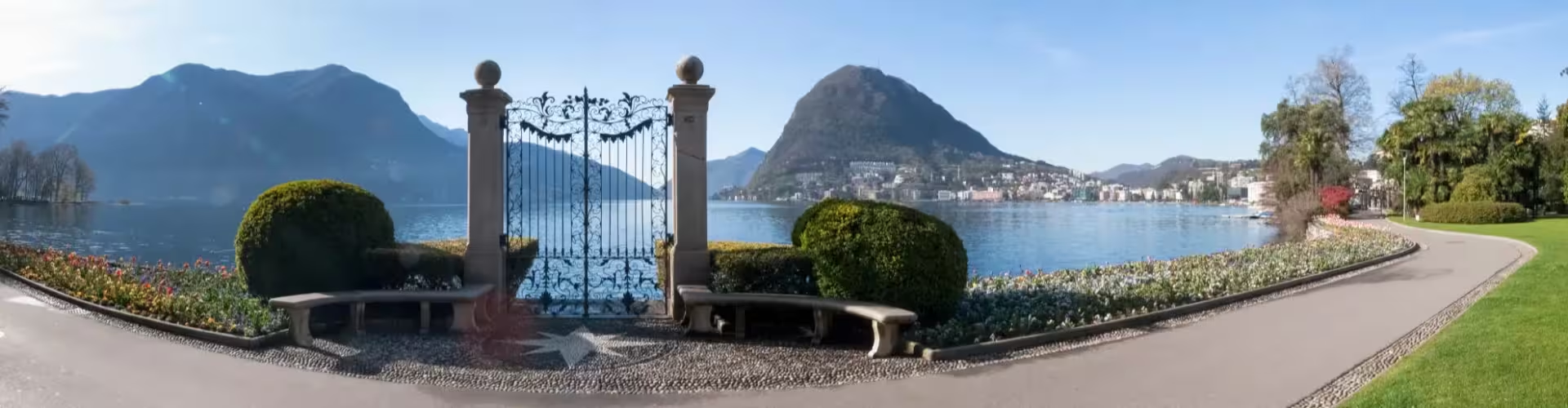
Lugano is a lakeside city with a refined, Mediterranean leaning vibe, where mountain scenery meets elegant shopping streets and green public parks. Go now if you want a destination that works equally well for a quick city break or a slow, scenic base for exploring Ticino. The signature experience is simple, a waterfront walk that turns into a funicular ride or a terrace lunch with views across Lake Lugano.
Lugano sits in the canton of Ticino in southern Switzerland, close to the Italian border. The city is positioned on Lake Lugano, surrounded by steep green hills that create natural viewpoints and short, scenic hikes. For long distance arrivals, most travelers route through major Swiss hubs and then connect by rail, or approach from northern Italy depending on their itinerary.
Spring and early summer are ideal for lakeside walks, gardens, and outdoor dining, with comfortable temperatures and a lively but not overwhelming feel. Peak summer brings the fullest event calendar and the strongest resort energy, plus the highest demand for centrally located stays. Autumn is a strong choice for calmer streets and clear views, while winter is quieter and better suited to museums, relaxed dining, and scenic rides when conditions allow.
Switzerland is known for higher price levels, and Lugano follows that pattern, especially in prime lakefront locations. Keep a flexible budget for transport, viewpoints, and meals, then balance it with bakeries, casual cafés, and set menus where available. Cards are widely accepted, but it is still smart to carry a small amount of cash for small purchases and local services.
Lakefront Promenade Walk. The waterfront is the city’s daily stage, with changing light, boats on the lake, and a steady flow of locals and visitors. It is the fastest way to understand the pace of Lugano and decide what you want more of, parks, shopping, or viewpoints. Practical tip, go early for calm photos, then return near sunset for warmer colors and a livelier atmosphere.
Old Town Stroll. The historic center is compact and easy to explore on foot, with narrow lanes that open into small squares and café terraces. This is where you will feel the Italian speaking character of Ticino most clearly, especially around aperitivo time. Practical tip, wear comfortable shoes because streets can be steep and slick after rain.
Parco Ciani. This lakeside park is a green anchor for the city, ideal for a slow hour between sightseeing stops. It gives you shade, views, and a calmer rhythm that balances the energy of the center. Practical tip, pack a simple picnic from a bakery and choose a bench facing the water.
Monte Brè Viewpoint. One of the classic panoramic experiences near Lugano is getting up to a high viewpoint and looking back over the lake and rooftops. It is a reminder that the city’s beauty comes from its vertical landscape as much as its waterfront. Practical tip, aim for late afternoon light and bring a light layer because temperatures can shift with elevation.
Monte San Salvatore. Another signature viewpoint, this one is especially memorable for its sweeping perspective over Lake Lugano and the surrounding ridgelines. It is a great choice when you want a big nature moment without committing to a full day hike. Practical tip, check conditions before you go, and plan a flexible return time if weather changes.
Funicular and Hillside Rides. In a city built on slopes, short rides can save time and energy, and they add a scenic element to simple transfers. They also help you connect the lakefront with higher neighborhoods and viewpoints efficiently. Practical tip, group nearby stops together so you are not constantly changing elevation during the day.
Museums and Galleries. Lugano works well for culture because you can pair an indoor visit with a lakeside stroll in the same afternoon. Museums are also a strong backup plan when weather turns, keeping your itinerary enjoyable without needing to leave the city. Practical tip, place museum time in the middle of the day, then use mornings and evenings for views and walks.
Shopping Streets and Local Boutiques. The center has a polished retail feel, with a mix of international brands and smaller shops. Even if you are not shopping, these streets are part of the city’s atmosphere and are easy to combine with coffee stops. Practical tip, browse earlier in the day, then switch to the lakefront for a more relaxed finish.
Start with a lakefront promenade walk to get oriented, then head into the old town for coffee and a slow loop through the lanes and small squares. Spend late morning in Parco Ciani for shade and views, then choose one big viewpoint, either Monte Brè or Monte San Salvatore, depending on conditions and your energy. Finish with a relaxed dinner near the center, and plan a final short lakeside walk to see Lugano in evening light.
Day one mirrors the highlights route, but with more time for the old town and a museum visit placed in the middle of the day. Day two focuses on viewpoints and neighborhoods, pairing a hillside ride with a longer walk and a leisurely lunch with lake views. If you have a third day, keep it flexible for a day trip, or stay local and build a slower rhythm around parks, cafés, and waterfront time, which is where Lugano really shines.
Risotto. Creamy, comforting, and often served as a main course, risotto fits the region’s Italian influence while still feeling at home in Switzerland. Ordering tip, ask if there is a seasonal version, which often reflects what locals are eating right now.
Polenta. A hearty cornmeal dish that can be served soft or grilled, polenta is a classic in Ticino and a great match for cooler evenings. Ordering tip, look for it paired with a slow cooked sauce for the most satisfying, local style meal.
Cheese and Charcuterie Boards. Perfect for sharing, these highlight Alpine and Italian borderland flavors in one plate. They work well as a light dinner with wine, especially after a viewpoint outing. Ordering tip, ask for a mixed board if you cannot decide, it is the easiest way to sample a range of textures and tastes.
Fresh Pasta. You will find pasta dishes that lean Italian in spirit, often simple and ingredient driven. It is a reliable choice when you want something familiar but still local to the region’s identity. Ordering tip, choose a house specialty if listed, it is usually the kitchen’s strongest option.
Espresso and Café Culture. Coffee breaks are part of the daily rhythm, and they are a practical way to pace sightseeing on steep streets. Ordering tip, take coffee at the bar if you want a quick stop, or sit down when you want to slow the day and people watch.
Aperitivo. Early evening drinks with small snacks are a social habit that suits the lakeside setting. It is also an easy way to try local wines without committing to a full tasting. Ordering tip, arrive a bit earlier to find a good terrace spot before the after work crowd builds.
Lugano is highly walkable in the center, but the terrain is hilly, so plan your day with elevation in mind. Public transport and short hillside rides are useful for saving energy, especially when linking the lakefront to higher viewpoints or neighborhoods. Ride services and taxis can help at night or in bad weather, but walking remains the best way to experience the city’s details. For accessibility, prioritize flatter lakefront routes and park paths, then add viewpoints based on comfort and conditions.
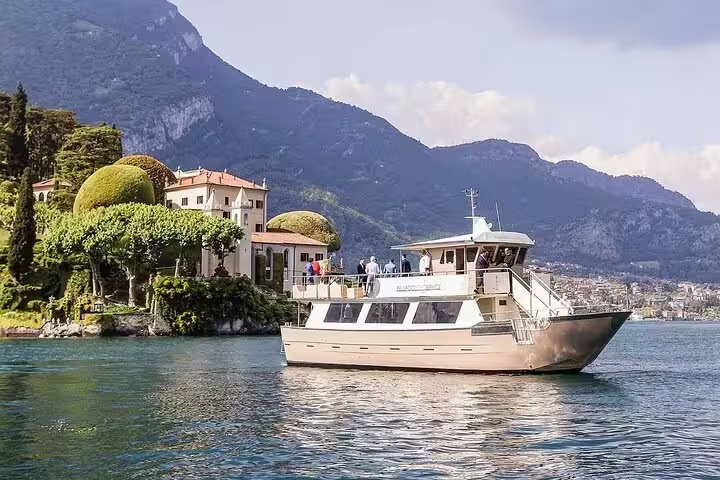
Lake Lugano Shore Towns. Short hops along the lake let you trade city energy for a quieter waterfront feel. Primary reason to visit, scenic walks, relaxed cafés, and a slower pace with the same lake and mountain backdrop. Travel time varies by route and connection.
Bellinzona. A strong choice for history focused travelers exploring Ticino beyond Lugano. Primary reason to visit, the canton’s heritage atmosphere and a change of scenery from the lakefront. Travel time depends on your chosen connection.
Locarno. Ideal if you want a different lakeside mood and a broader sense of the region. Primary reason to visit, promenades, public spaces, and a distinct character compared with Lugano. Travel time varies by route.
Italian Border Towns. The proximity to Italy makes cross border exploring a realistic add on for food, shopping, and a change in street life. Primary reason to visit, a quick cultural contrast and easy day out if you are already in southern Ticino. Travel time depends on the specific destination and border conditions.
Is Lugano walkable for first time visitors?
Yes, the center is compact and easy to explore on foot, especially along the lakefront and through the old town. The main challenge is the hills, so plan breaks and consider hillside rides for steeper sections.
How many days do I need in Lugano?
One day covers the highlights if you focus on the waterfront, the old town, and one major viewpoint. Two to three days lets you add museums, parks, and a relaxed day trip without rushing.
When is the best time of year to visit?
Spring through early autumn generally offers the best balance for outdoor time, with comfortable walking conditions and an active atmosphere. Summer is livelier and busier, while winter is quieter and better suited to a slower pace.
Do I need cash, or can I pay by card?
Cards are widely accepted, which makes day to day spending simple. It is still practical to carry a small amount of cash for small purchases and local services.
What is the easiest way to add a day trip from Lugano?
Choose one nearby destination and build your day around a single theme, history, a different lakeside town, or a cross border outing. Keep your return flexible so you can adjust to weather and energy levels, especially after viewpoints.