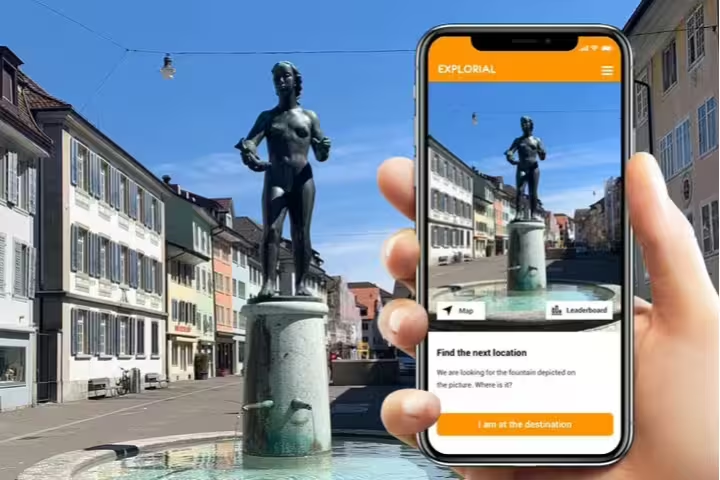
Winterthur is a culture-forward Swiss city with a calm, lived-in rhythm, where art museums, leafy parks, and walkable streets create an easy, rewarding break from bigger hubs. It suits travelers who want a smart city experience with less rush, plus quick connections to the wider Canton of Zurich. Use this guide to plan what to do, how to get around, what to eat, and how to shape your time with confidence.
Winterthur feels like Switzerland on a human scale, creative, green, and quietly polished, with a strong museum scene and a relaxed café culture. The signature vibe is urban but unhurried, ideal for travelers who value design, galleries, and easy logistics over nonstop sightseeing. Go when you want a city break that pairs culture with breathing room, and a base that keeps day trip options close.
Winterthur sits in the Winterthur District in the Canton of Zurich, in northern Switzerland. For most travelers, the most convenient gateway is Zurich, with onward rail connections that make Winterthur an easy add-on to a Zurich itinerary. Think of the city as a compact core with cultural institutions and shopping streets, surrounded by residential neighborhoods and green spaces that make walking feel pleasant rather than purely practical.
Seasonality in this part of Switzerland typically follows a clear four-season pattern, with cooler months favoring museums and cozy dining, and warmer months expanding your options for parks and outdoor strolling. Peak travel periods tend to concentrate around school holidays and major city events in the region, so booking accommodation earlier can reduce stress. If your priorities are galleries, architecture, and cafés, Winterthur works well year-round because many signature experiences are indoors or weather-flexible.
Switzerland is known for higher-than-average travel costs, so planning a daily budget with a buffer is wise. The local currency is the Swiss franc, and card payments are widely accepted, though keeping a small amount of cash can help for small purchases. To manage costs, lean into lunch specials where available, prioritize free outdoor time between paid attractions, and consider grouping museums on the same day to reduce transit friction.
Old Town Stroll
The historic center delivers the best first impression, with a walkable layout that rewards slow exploration and spontaneous stops. It is a great way to understand the city’s rhythm, from small boutiques to local cafés. Practical tip, go earlier in the day for a calmer feel and better photo conditions on narrow streets.
Art and Museums Circuit
One of the strongest reasons to choose Winterthur is its cultural depth, especially for travelers who want museum quality without big-city crowds. Plan your visits around your attention span, and mix galleries with outdoor breaks to avoid fatigue. Practical tip, pick one anchor museum experience per day, then add a smaller stop only if you still have energy.
Parks and Green Spaces Walk
The city’s green pockets shape the local lifestyle, and they are ideal for resetting between indoor visits. This is where you see everyday Winterthur, runners, families, and people meeting for a quiet break. Practical tip, pack a light layer and a reusable bottle so you can stay out longer without needing to shop for essentials.
Café Culture and People Watching
Coffee breaks here can feel like a small ritual, not just a quick stop. Sitting down helps you notice the design sensibility and calm pace that define the city. Practical tip, aim for off-peak hours to get a better seat and a more relaxed service flow.
Local Shopping Streets
Shopping in Winterthur tends to be practical and curated, more about quality than spectacle. It is a useful way to pick up travel basics, Swiss-made items, or gifts without the intensity of larger retail districts. Practical tip, decide what you want before you browse, it keeps spending under control in a higher-cost destination.
Architecture and Urban Details Hunt
Even without a formal tour, the city rewards travelers who look up and notice textures, signage, and building lines. This experience adds depth to a short visit, especially if you like photography or design. Practical tip, choose a simple theme, like doors, fountains, or street typography, and build your walk around it.
Evening Walk and Dinner Plan
Evenings are when the city feels most local, with a softer pace and a clear sense of neighborhood life. A short walk before dinner helps you pick a place that matches your mood, lively or quiet. Practical tip, if you have a specific restaurant in mind, reserve ahead on weekends to avoid last-minute compromises.
Easy Day Trip Base Strategy
Using Winterthur as a base can reduce accommodation pressure in nearby hubs while keeping you connected. It suits travelers who want to return to a calmer home base after busy sightseeing days. Practical tip, plan day trips with a clear turnaround time so you keep evenings free for local dining.
Start with a morning walk through the old town streets to get oriented, then choose one major museum or gallery as your cultural anchor. Break for a relaxed lunch and a café stop, then spend the afternoon combining a second, smaller cultural visit with a park walk to balance indoor time. Finish with an early evening stroll and a planned dinner, keeping your route compact so you are not rushing across town.
On day one, focus on the old town and one signature museum experience, then let your evening be flexible for dining. On day two, build a slower loop, parks and green spaces, a second museum or design-focused stop, and time for shopping streets and cafés. If you have a third day, use it to explore beyond the core on foot, then treat Winterthur as a base for a nearby day trip, returning for a final dinner that feels like a reward rather than a task.
Swiss Rösti
Crisp on the outside and comforting inside, rösti is a simple dish that can anchor a meal without feeling heavy. It often pairs well with seasonal additions or classic Swiss accompaniments. Ordering tip, ask what style the kitchen serves, then choose based on whether you want it as a main or a side.
Fondue
Fondue is rich, social, and slow-paced, which matches the city’s relaxed evening energy. It is best when you can take your time and share. Ordering tip, plan it for a colder day, and avoid scheduling a very early start the next morning.
Raclette
Melted cheese with sides is a classic comfort choice, satisfying without needing a long menu debate. It is a good option when you want something distinctly Swiss. Ordering tip, ask what sides are included so you can balance the richness with something lighter.
Zurich-Style Classics Nearby
Given the regional connection, you may see dishes associated with Zurich in local menus, offering familiar Swiss flavors with a city twist. This is helpful if you want to compare tastes across the canton. Ordering tip, if you are unsure, ask for the house specialty rather than the most tourist-recognizable item.
Swiss Pastries
Pastry culture is a strong fit for a museum day, giving you an easy mid-afternoon break. Expect buttery textures and careful presentation. Ordering tip, pair one pastry with a coffee, then take a second item to go if you are planning a longer walk.
Local Coffee and Hot Chocolate
Warm drinks are part of the everyday rhythm, especially in cooler months when indoor breaks matter more. A café stop can turn logistics time into a travel moment. Ordering tip, choose a seat that lets you slow down, then use the time to plan your next stop.
Winterthur is well suited to walking, especially if you cluster your day around the old town and central cultural stops. Public transport is the practical choice when you want to connect multiple sites efficiently, and it also supports day trip planning via rail links. Ride-sharing and taxis can be useful for time-sensitive moments, but they are best treated as occasional tools rather than a default. For safety and accessibility, keep an eye on weather in cooler months because wet or icy conditions can change how comfortable walking feels, and plan routes with indoor breaks if you are traveling with limited mobility.
Zurich
Travel time is short by rail, making it an easy day out for big-city shopping, lakefront walks, and major museums. The main reason to go is variety, it adds a larger urban scale to your itinerary without changing bases.
Rhine Falls
A popular natural landmark in the region, it offers a dramatic water-focused experience that contrasts with museum days. The main reason to visit is the scenery and the photo opportunities, especially when you want an outdoor highlight.
Schaffhausen
This nearby town is often paired with Rhine Falls planning, and it can add a more local, small-city feel to the day. The main reason to visit is to broaden your sense of northern Switzerland beyond the main hubs.
Lucerne
A longer but rewarding day trip option, known for its lake and mountain backdrop. The main reason to visit is the classic Swiss landscape pairing, water, peaks, and a historic urban core.
Is Winterthur good for a short city break?
Yes, the city is compact and easy to structure around one or two cultural anchors per day. It is especially satisfying if you like museums, cafés, and walkable streets.
How many days do I need in Winterthur?
One day covers highlights at a brisk pace, while two to three days lets you slow down and add parks, shopping streets, and a day trip. Choose based on how museum-focused you want your itinerary to be.
Do I need a car to get around?
No, walking works well for central areas, and public transport supports efficient connections. A car is mainly useful if you plan multiple stops outside the city in one day.
What is the best way to manage costs in Switzerland?
Set a realistic daily budget and prioritize what matters most, such as one paid attraction plus free outdoor time. Use cafés and lunch options strategically to avoid overspending on every meal.
What should I pack for a visit?
Bring comfortable walking shoes and a light layer that you can adjust throughout the day. In cooler or wet periods, add weather protection so walking remains enjoyable.