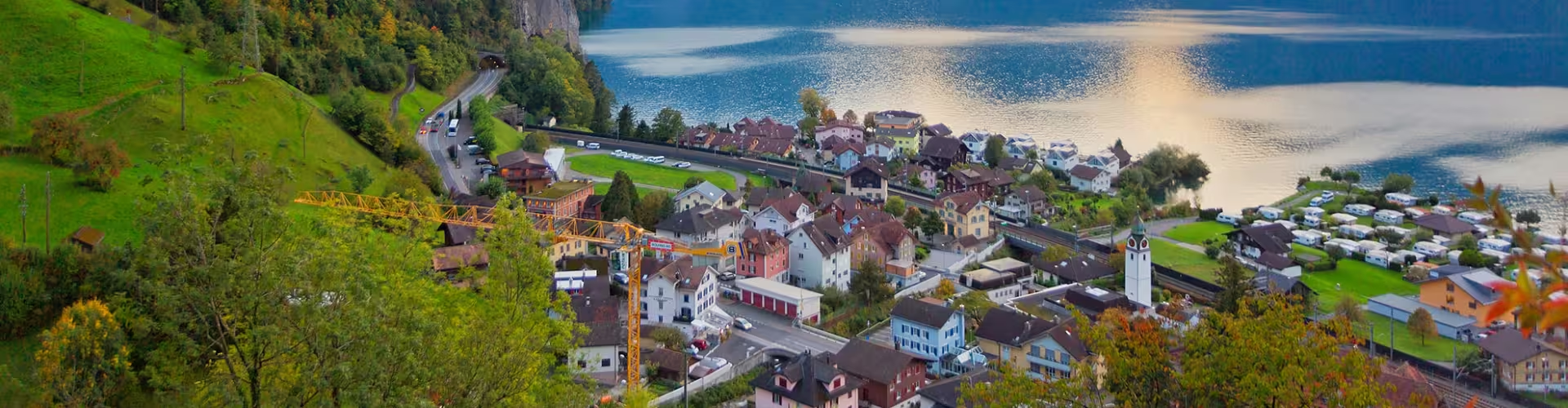


Sisikon is a lakeside village on Lake Lucerne in the Canton of Uri, known for its calm waterfront atmosphere, mountain backed scenery, and easy access to classic Swiss outdoor routes. It suits travelers who want a slower pace than big resort towns, with simple connections to nearby rail and lake transport. Use this guide to plan a practical, experience rich stay focused on viewpoints, walks, and day trips across central Switzerland.
Sisikon feels like a pause button, a quiet shore, steep slopes behind you, and the lake opening out in front. The signature vibe is scenic simplicity, short walks, fresh air, and a base that keeps you close to iconic Swiss landscapes without constant crowds. Go now if you want flexible, low friction days where the weather decides the agenda, a lakeside stroll when it is clear, and a cozy indoor plan when clouds roll in.
Sisikon sits in central Switzerland in the Canton of Uri, along the shores of Lake Lucerne, which is also known locally as the Vierwaldstättersee. It is positioned on a key north to south corridor, which makes it a practical stop if you are moving between central Switzerland and the Gotthard region. For international arrivals, common gateway hubs in Switzerland include Zurich and other major rail linked cities, then you continue by train and local connections toward the lake and Uri.
Seasonality here is tied to lake conditions, mountain weather, and daylight. Warmer months generally favor lake views, outdoor walks, and longer evenings that are ideal for slow photography and waterfront time. Cooler months bring shorter days and a more introspective feel, which can be great for travelers who prioritize quiet, scenic train rides, and relaxed indoor meals. Shoulder periods can offer a balance of fewer people and still decent conditions, but it is smart to keep plans flexible and check forecasts often.
Switzerland uses the Swiss franc, and central Switzerland can feel premium priced compared with many European destinations. Plan a realistic daily budget that accounts for transport, meals, and occasional lake or mountain related activities. Cards are widely used across Switzerland, but having some cash is helpful for small purchases and quick stops. A practical approach is to set a daily spend target, then prioritize one or two paid highlights and fill the rest with scenic walks and viewpoints.
Lakeside Walks and Photo Stops
The shoreline is the main stage, and the lake plus mountains combination delivers classic central Switzerland scenery. Even a short stroll can feel rewarding because the views change with light and cloud movement. Practical tip, go early or near sunset for softer light and fewer people in your photos.
Scenic Boat Watching on Lake Lucerne
Lake traffic adds a gentle rhythm, and watching boats come and go is part of the slow travel charm. It is also a good way to understand how the region connects, since the lake is a transport corridor as well as a viewpoint. Practical tip, build a buffer into your day if you plan to connect by boat, weather can influence schedules.
Short Hikes on Local Trails
The terrain around Sisikon encourages short, satisfying walks that climb just enough to open wider panoramas. These routes are ideal if you want a taste of alpine hiking without committing to a full day. Practical tip, wear shoes with grip and carry a light layer, conditions can shift quickly near the lake and slopes.
Viewpoint Hunting Above the Village
Elevated angles make the lake look more dramatic, and the Canton of Uri backdrop gives the landscape its bold character. Viewpoints are also where you feel the geography, steep sides, deep water, and the sense of a corridor through the mountains. Practical tip, pack a small snack and water, then take your time, the best moments often come when you stop and watch the light.
Slow Travel Day, Read, Sketch, or Journal by the Water
Not every destination needs a checklist, and Sisikon is well suited to restorative travel. The soundscape is simple, water, wind, and distant transport, which helps you reset. Practical tip, bring a compact seat pad or choose a sheltered spot if the breeze picks up.
Rail Window Scenery Through Uri
Even if you are not a train enthusiast, this region rewards you with dramatic views from the carriage. The rail line is part of the Swiss travel identity, and it is a comfortable way to move without logistical stress. Practical tip, try to sit on the lake facing side when possible, and keep your camera ready for quick changes in perspective.
Lake Lucerne Panorama Moments
The lake is the constant, and the best experiences often come from repeating the same spot in different weather. Clear skies give crisp peaks, while moody clouds add texture and depth. Practical tip, if the morning is hazy, try again later, the atmosphere can transform within hours.
Easy Base for Central Switzerland Exploring
Use Sisikon as a base if you want a quieter overnight and then day trip outward. This approach can reduce accommodation pressure in busier hubs and keeps your evenings calm. Practical tip, group day trips by direction to minimize backtracking and keep transit time comfortable.
Start with a calm lakeside walk to get oriented and identify your favorite photo angles. Spend late morning on a short local hike or a climb to a viewpoint, then return for a relaxed lunch and a slow afternoon by the water. If conditions are good, finish with a lake focused golden hour session, then enjoy an early evening meal and a quiet stroll to close the day.
Day one, focus on the village rhythm, shoreline time, and a gentle hike that introduces the terrain. Day two, plan a longer outing using rail and lake connections, then return to Sisikon for a calm evening that feels removed from busier tourist centers. If you have a third day, keep it flexible, repeat your favorite viewpoint in new light, add a second trail, and leave space for weather based decisions.
Food in this part of Switzerland often leans hearty and comforting, especially after time outdoors.
Sisikon works well on foot for lakeside time and short local walks, especially if you are staying near the waterfront. For longer distances, Switzerland’s rail network and lake routes are the backbone, and they allow you to explore without a car. If you use taxis or ride services, treat them as occasional tools rather than the default, since public transport is typically the most straightforward for regional connections. For safety and accessibility, prioritize good footwear, watch for slippery surfaces near water in wet weather, and plan extra time if you have mobility considerations, since slopes can be steep.
Yes, it can work well if you prefer a quieter overnight spot and then day trip outward by train or lake connections. It is especially appealing if your priority is scenery and a relaxed pace.
One day covers the lakeside atmosphere and a short hike or viewpoint. Two to three days gives you time to add a day trip and still keep the schedule flexible around weather.
No, many travelers can manage without a car by using walking routes locally and public transport for longer connections. A car can add flexibility, but it is not essential for a simple itinerary.
Bring comfortable walking shoes, layers, and a light rain option since conditions can change near the lake and mountains. A reusable water bottle and a small day bag are also useful for viewpoints and short hikes.
It can be, especially if you enjoy quieter surroundings and scenic rail travel. Plan shorter outdoor sessions, prioritize warm meals, and keep an eye on forecasts for lake and trail conditions.