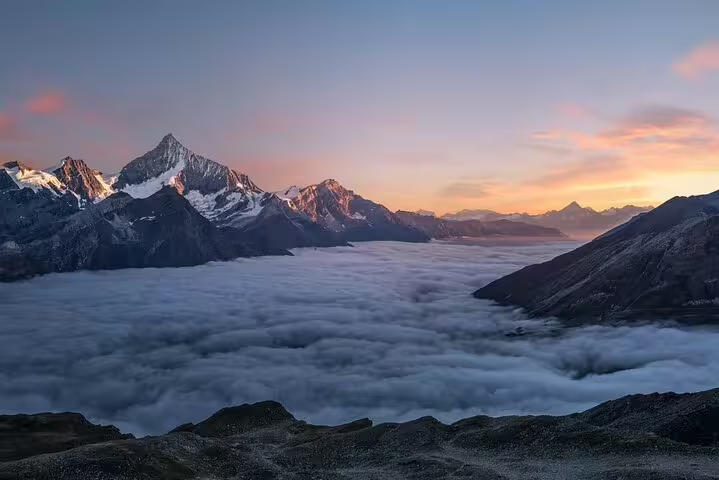
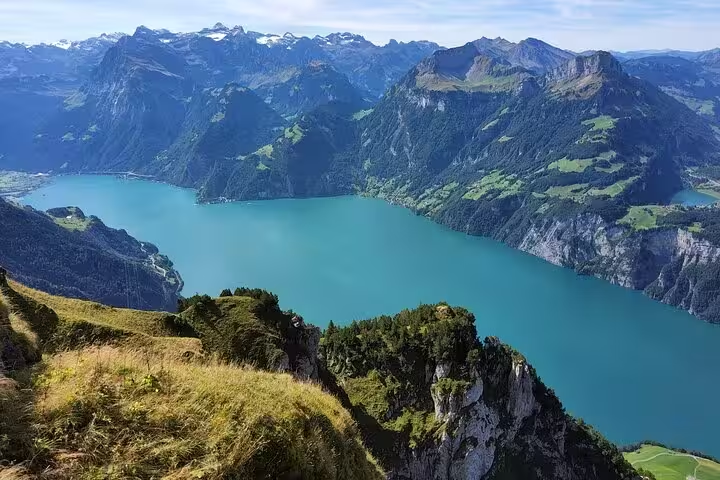
Lucerne District is where lakefront calm, storybook architecture, and mountain day trips meet in one of Switzerland’s most photogenic corners. This guide focuses on practical decisions, what to prioritize, how to move around efficiently, and how to match experiences to your travel style. Expect a mix of cultural landmarks, waterfront scenery, and easy access to peaks and villages that define central Switzerland.
Lucerne District pairs a walkable old town with a big-sky lake setting, so you can shift from museums to panoramic viewpoints in the same day. The signature vibe is polished and relaxed, with a strong sense of Swiss heritage in bridges, murals, and waterfront promenades. Go now if you want an all-season base that balances city comfort with quick escapes to mountains and countryside.
Lucerne District sits in central Switzerland within the Canton of Lucerne, oriented around the city of Lucerne and the shores of Lake Lucerne. It works well as a hub because rail connections link it with major Swiss cities, and the region’s geography naturally funnels day trips toward nearby mountains and lakeside villages. Common gateways for international travelers include Zurich Airport, with onward rail travel that makes arrival straightforward without needing a car.
Seasonality in Lucerne District is defined by lake weather, mountain visibility, and event-driven demand. Summer brings the longest days for lakeside walks and boat rides, but it is also the busiest period for viewpoints and classic photo spots. Shoulder seasons often feel calmer for museums, old town exploration, and flexible day trips, while winter leans into cozy dining, lower crowds in the center, and scenic contrasts between the city and snow-dusted peaks.
Switzerland uses the Swiss franc, and Lucerne District typically reflects Swiss price levels in dining, transport, and attractions. Cards are widely accepted, but having some cash helps for small purchases and quick transactions. To manage costs, prioritize walkable sights, consider regional transport passes if you are doing multiple excursions, and plan one or two paid highlights per day rather than trying to do everything at once.
These experiences capture the best of Lucerne District, mixing iconic scenery with cultural depth and practical ease.
Chapel Bridge and the Waterfront Walk
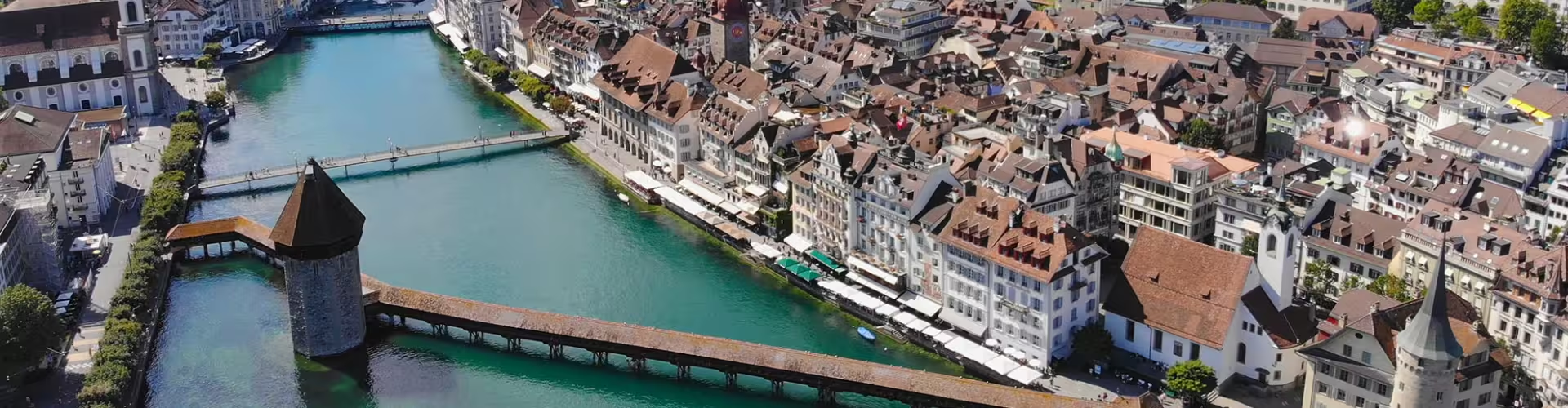
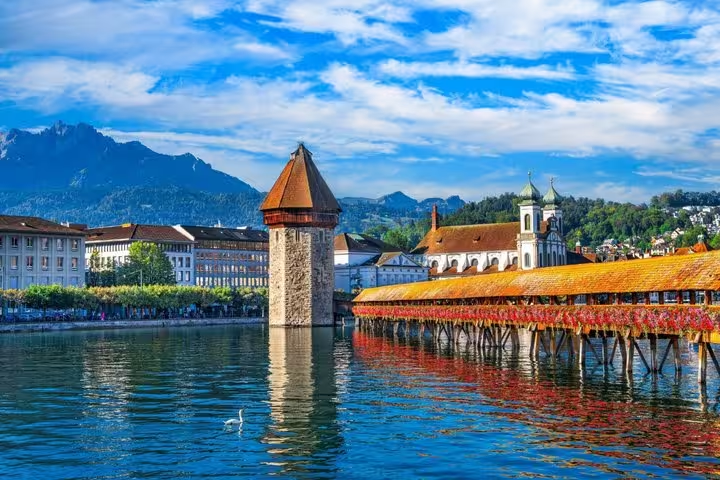
This is the visual shorthand for Lucerne, and it is also a great orientation tool for first-time visitors. The bridge area connects you to the old town lanes and the lakefront, so it helps you understand the city’s layout quickly. Practical tip: go early for photos, then return later for a slower stroll when the lights reflect on the water.
Old Town Squares and Painted Facades
Lucerne’s historic core is compact, and its squares create natural pauses for coffee, people-watching, and architecture spotting. The painted buildings are more than decoration, they reflect civic identity and local storytelling traditions. Practical tip: explore on foot with a loose loop route, then mark your favorite square for a second visit at a quieter hour.
Lake Lucerne Cruise or Lakeside Time
The lake is not just scenery, it is the region’s connective tissue, linking villages, viewpoints, and mountain access points. Even a short cruise helps you appreciate why the landscape feels so cinematic, with steep slopes dropping into the water. Practical tip: choose a time with clear visibility, and bring a light layer because the lake breeze can feel cooler than the streets.
Mount Pilatus Excursion
A Pilatus trip is a classic long tail keyword style day out because it combines altitude, panoramic views, and a sense of adventure that still feels accessible. The appeal is the contrast, you can start with lakefront calm and end with dramatic mountain horizons. Practical tip: aim for a clear-weather day, and start earlier to avoid peak crowding at viewpoints.
Mount Rigi Panorama Day
Rigi is often framed as a gentler mountain experience, with wide-open views that feel expansive rather than extreme. It is ideal if you want a scenic payoff without an intense schedule, and it pairs naturally with lake travel. Practical tip: keep your plan flexible, and prioritize viewpoints first if clouds are moving in.
Swiss Museum of Transport
This museum is one of the most engaging indoor options in Lucerne District, especially if weather shifts or you are traveling with families. It provides context for how Switzerland connects mountains, lakes, and cities through engineering and mobility. Practical tip: go earlier in the day so you can combine it with a relaxed lakeside walk afterward.
Lucerne Culture and Congress Centre, KKL
KKL anchors the modern side of Lucerne, balancing the medieval atmosphere of the old town with contemporary design and cultural programming. Even from the outside, it is worth seeing for architecture and lakefront views. Practical tip: time your visit for late afternoon, then transition into dinner nearby.
Local Markets and Seasonal Street Life
Markets and pop-up stalls, when present, reveal everyday rhythms that can be hard to see when you only focus on landmarks. They are also a practical way to assemble a simple picnic for the lakefront. Practical tip: bring a reusable bag, and choose small portions so you can sample more than one item.
Start with the old town while it is quiet, focusing on the main squares and the river crossings. Continue to the Chapel Bridge area and extend your walk along the lakefront promenade for wide views and photo stops. In the afternoon, choose one anchor activity based on weather, a museum if it is unsettled, or a short lake cruise if visibility is good. End with a relaxed dinner in the center so you can keep your evening flexible.
Day one mirrors the highlights route, but with slower pacing and time to explore side streets, small shops, and quieter waterfront corners. Day two is ideal for a mountain day trip, such as Pilatus or Rigi, with extra time built in for viewpoints and a calm return to the city. If you have a third day, use it for a second lake-oriented experience, a museum block, or a nearby village, keeping your schedule light so you can adapt to weather and crowd levels.
Cheese Fondue
Creamy, rich, and deeply comforting, fondue is a social meal that fits cold weather and slow evenings. Ordering tip: ask if it is served with bread only or with extra sides, then balance it with something fresh earlier in the day.
Raclette
Melted cheese scraped over potatoes and accompaniments, raclette is savory and satisfying without being complicated. It is a good choice when you want a classic Swiss meal that feels hearty after a mountain outing. Ordering tip: if you see a house version, it is often the best representation of the restaurant’s style.
Rösti
Crisp-edged grated potato, rösti can be served as a side or a main depending on toppings. The texture is the point, crunchy on the outside and soft inside. Ordering tip: choose it with a simple topping if you want the potato flavor to shine.
Zürcher Geschnetzeltes
A creamy sliced veal dish commonly paired with rösti, it is mild, comforting, and very Swiss in its balance of richness and restraint. It is a reliable option when you want something traditional but not heavy on strong spices. Ordering tip: ask what it is served with, then decide whether you want an additional side.
Birchermüesli
Fresh, lightly sweet, and often fruit-forward, this is a classic breakfast that feels energizing for walking days. It is especially useful when you want something lighter than pastries. Ordering tip: pair it with coffee and a small pastry if you want a more filling start.
Swiss Chocolate and Café Culture
Chocolate here tends to be balanced rather than overly sweet, with a focus on texture and quality. A café stop also doubles as a warm break between outdoor segments of your day. Ordering tip: try a small assortment rather than one large bar so you can compare styles.
Lucerne District is easy to navigate on foot, especially in the old town and along the lakefront, where short distances make walking the default choice. Public transport and rail links are practical for connecting to museums, outskirts, and day-trip gateways, and boats add a scenic alternative for lake travel. Ride-sharing and taxis can help if you are short on time or carrying luggage, but most visitors find they can plan efficiently with walking plus trains and buses. For safety and comfort, watch for cyclists in shared areas, and consider accessibility needs on cobblestone streets and older sidewalks.
Mount Pilatus
A classic mountain escape with big views and a clear contrast to the city’s gentle pace. Travel time varies by route, and it is best treated as a half-day to full-day outing depending on your plan. Primary reason to visit: panoramic scenery and a memorable high-alpine feel close to Lucerne.
Mount Rigi
Rigi is known for broad vistas and an approachable day-trip rhythm that pairs well with lake travel. It is a strong option when you want scenery without feeling rushed. Primary reason to visit: open viewpoints and a relaxed mountain atmosphere.
Lake Lucerne Villages
Lakeside villages offer a slower pace, waterfront cafés, and a different perspective on the region’s geography. Travel time depends on the specific village and whether you go by boat or rail. Primary reason to visit: scenic lake culture and a calmer alternative to the city center.
Central Switzerland Scenic Rail Connections
Short rail journeys can deliver you to smaller towns and trailheads that feel far from the city without complicated logistics. This is ideal if weather in the city is mixed and you want to chase clearer skies. Primary reason to visit: flexible exploration with minimal planning friction.
Is Lucerne District a good base for exploring central Switzerland?
Yes, it works well because rail and lake connections make day trips straightforward. You can combine city sights with mountains and lakes without changing hotels.
How many days do I need in Lucerne District?
One day covers the main old town and waterfront highlights at a brisk pace. Two to three days lets you add a mountain excursion and a slower lake-focused day.
Do I need a car to get around?
No, most visitors can rely on walking in the center plus trains, buses, and boats for longer hops. A car can add flexibility for certain rural stops, but it is not essential for typical itineraries.
What is the best season to visit Lucerne District for views?
Clear visibility matters more than the calendar, so choose a period when you can stay flexible. Summer has long days, while shoulder seasons can be calmer if the weather cooperates.
Is Lucerne District walkable for first-time visitors?
Yes, the old town and lakefront are compact and intuitive for walking. Expect some cobblestones and plan comfortable shoes for longer promenade loops.