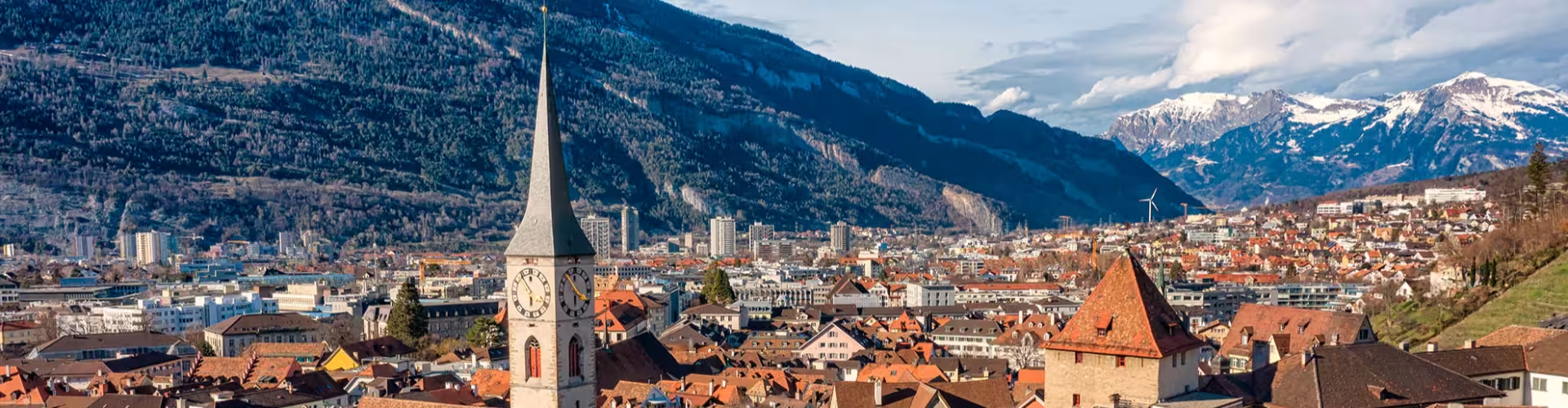


Chur is a compact Alpine city where a walkable old town meets big mountain energy. It works as both a culture stop and a practical base for exploring the Canton of Grisons, with easy connections that suit short breaks and longer routes. This guide focuses on what to do, how to plan, and how to experience the city with confidence.
Chur feels like a crossroads, historic lanes, local life, and a gateway rhythm shaped by rail connections into the mountains. Go for the blend of old town atmosphere and outdoor access, then stay for the food, viewpoints, and day trip options. It is especially appealing when you want Switzerland without the pressure of a single iconic attraction, because the city rewards slow strolling and smart planning.
Chur sits in eastern Switzerland in the Canton of Grisons, within the Plessur District. Think of it as a natural hub between valleys, mountain passes, and rail lines that spread deeper into Graubünden. For gateways, plan around major Swiss transport hubs and onward rail connections, since the city is well suited to arriving by train and continuing by regional routes.
Timing depends on the experience you want. Warmer months favor long walks, outdoor terraces, and day trips into nearby mountain areas, while colder months emphasize cozy dining and scenic rail journeys. Crowd levels typically rise when Switzerland is in peak holiday periods, so shoulder seasons can feel calmer while still offering pleasant conditions for exploring the old town on foot.
Switzerland uses the Swiss franc, and costs can feel high compared with many European destinations. Plan a realistic daily budget that covers transport, meals, and attractions, and consider prioritizing a few paid highlights while keeping the rest of your time focused on free experiences like viewpoints and neighborhood walks. Cards are widely accepted in Switzerland, but carrying some cash is still useful for small purchases and quick stops.
1) Old Town Walk in Chur
The old town is the city’s signature experience, a place where tight lanes, small squares, and historic facades create a calm, lived in atmosphere. It is ideal for travelers who like to explore without a strict checklist, because the charm is in the details and the shifting views as you turn corners. Practical tip, go early in the day for quieter photos, then return in the evening when restaurants and cafés bring the streets to life.
2) Cathedral Quarter and Historic Streets
This area adds a more reflective, heritage focused layer to your visit, with a sense of continuity that helps you understand why the city matters in the region. Even if you are not doing a deep history itinerary, walking here anchors the trip and gives context to the rest of the old town. Practical tip, choose comfortable shoes, because the most atmospheric routes often include gentle slopes and uneven surfaces.
3) Viewpoints for Alpine City Scenery
Part of the appeal of Chur is how quickly you can shift from urban lanes to open views, where the surrounding landscape frames the city. Viewpoints are decision support moments, they help you orient yourself and plan day trips by seeing the direction of nearby valleys and peaks. Practical tip, aim for golden hour if you want softer light and a more dramatic mountain backdrop.
4) Local Museums and Cultural Stops
Museums are a smart choice when weather changes or you want a more structured block of time. They also add depth to a trip that might otherwise be only scenic, by connecting the city to the wider story of Graubünden and Swiss alpine life. Practical tip, pair a museum visit with a café stop nearby to create a relaxed half day plan.
5) Market Style Food Browsing and Regional Shopping
Food focused browsing is one of the easiest ways to experience local identity, especially in a canton known for distinct regional products. Even without a formal market visit, look for shops featuring Graubünden specialties to bring home something practical and delicious. Practical tip, ask staff for storage advice if you are continuing your journey by rail.
6) Scenic Rail Mindset, Use Chur as a Base
The city’s real superpower is how well it functions as a starting point for rail based exploring. Even a short stay can include a memorable train ride into the mountains, then a return to the comfort of city dining and easy logistics. Practical tip, plan your day trip first, then build meals and old town time around the train schedule.
7) Slow Café Time and People Watching
A great Chur itinerary includes unstructured time, because the city rewards slowing down. Cafés and casual dining spots are where you notice local rhythms, from commuters to students and weekend visitors. Practical tip, choose a seat with a view of a small square, then use that pause to confirm your next route on foot.
8) Evening Stroll for Atmosphere
After day trippers leave, the city feels more intimate and local. An evening stroll is a simple way to experience the old town lighting and a more relaxed pace, especially if you want photos without crowds. Practical tip, keep your route short and focused, then end with a regional dish so the night feels complete.
Start with a focused old town walk, moving through the most atmospheric lanes and squares while the city is still quiet. Add a cathedral quarter loop and a viewpoint stop to get your bearings and capture the classic mountain framed city scene. After a relaxed lunch, choose one cultural stop such as a museum, then finish with a golden hour stroll and an early dinner featuring regional flavors.
Day one follows the highlights, but with more time for café breaks and street level discovery. Day two is ideal for a scenic rail day trip, using Chur as your base so you can travel light and return for dinner in the old town. If you have a third day, keep it flexible, add a second short excursion, revisit your favorite streets at different times of day, and fit in any cultural stops you skipped.
Bündnerfleisch
A classic Graubünden specialty, typically air dried and intensely savory, with a clean, concentrated meat flavor. Ordering tip, ask for it as part of a mixed platter so you can sample other regional items alongside it.
Capuns
A comforting local dish that often feels like alpine home cooking, rich and satisfying. Ordering tip, if you want a lighter meal, share it or pair it with a salad style side when available.
Pizokel
A hearty, rustic style pasta or dumpling dish associated with the region, designed for mountain appetites. Ordering tip, it is a smart choice after a long walking day, because it is filling and warming.
Maluns
A traditional Graubünden preparation with a distinctive texture and a cozy, comforting profile. Ordering tip, ask what it is served with so you can decide if you want it as a main dish or as a side.
Local Alpine Cheese
Expect nutty, savory flavors that pair well with bread and regional cured meats. Ordering tip, look for a local tasting option if you want to compare styles without committing to a large portion.
Swiss Pastries and Café Culture
Sweet breaks are part of the rhythm in Chur, especially between walks and transport connections. Ordering tip, choose a pastry that suits your schedule, lighter if you are heading back out, richer if you are settling in for a longer pause.
Chur is well suited to exploring on foot, especially in and around the old town where short distances and pedestrian friendly streets make walking the default. Public transport is useful when you want to connect to rail services, reach outer areas efficiently, or reduce uphill walking. Plan your days around a walk plus transit combination, and keep an eye on surfaces and slopes if you have mobility considerations, since older streets can be uneven.
1) Graubünden Mountain Towns by Train
Travel time varies by route, but rail is the core advantage of using Chur as a base. The main reason to go is the scenery, you can reach dramatic landscapes without the stress of driving. Best approach, pick one destination and build in buffer time so the day feels relaxed.
2) Alpine View Routes and Valley Excursions
Short to medium travel times make these ideal for a half day or full day escape. The reason to visit is contrast, you move from city streets to open air viewpoints quickly. Best approach, check weather before committing, because visibility is part of the payoff.
3) Regional Nature Walks Outside the Center
Even close to the city, you can find routes that feel calmer and more nature forward. The reason to go is to balance culture with fresh air, especially if your trip includes multiple cities. Best approach, pack layers and water so you can stay out longer if the conditions are good.
4) Scenic Rail Journeys Deeper into the Canton
These are day trips where the journey itself is the highlight. The reason to go is the iconic Swiss experience of moving through changing landscapes while staying comfortable. Best approach, choose a daylight departure so you maximize views.
Is Chur a good base for exploring Graubünden by train?
Yes, it works well because you can plan day trips and return to the city for dinner and an easy evening walk. Build your day around the rail schedule, then keep your city time flexible.
How many days do I need in Chur?
One day covers the old town and key viewpoints at a brisk pace. Two to three days lets you add a scenic rail excursion and enjoy the city at a slower rhythm.
Is the old town walkable for most travelers?
It is very walkable in terms of distance, but expect uneven surfaces and some gentle slopes. Comfortable shoes help, and you can mix walking with public transport if needed.
What should I pack for a city and mountain style trip?
Bring layers so you can adapt to shifting conditions, plus comfortable walking shoes. A light rain layer is also useful for changeable weather.
What is the best way to plan a day trip from the city?
Pick one main destination, then plan around a daylight timetable so you maximize scenery and reduce rushing. Keep some buffer time for cafés and short walks, because those often become the highlights.