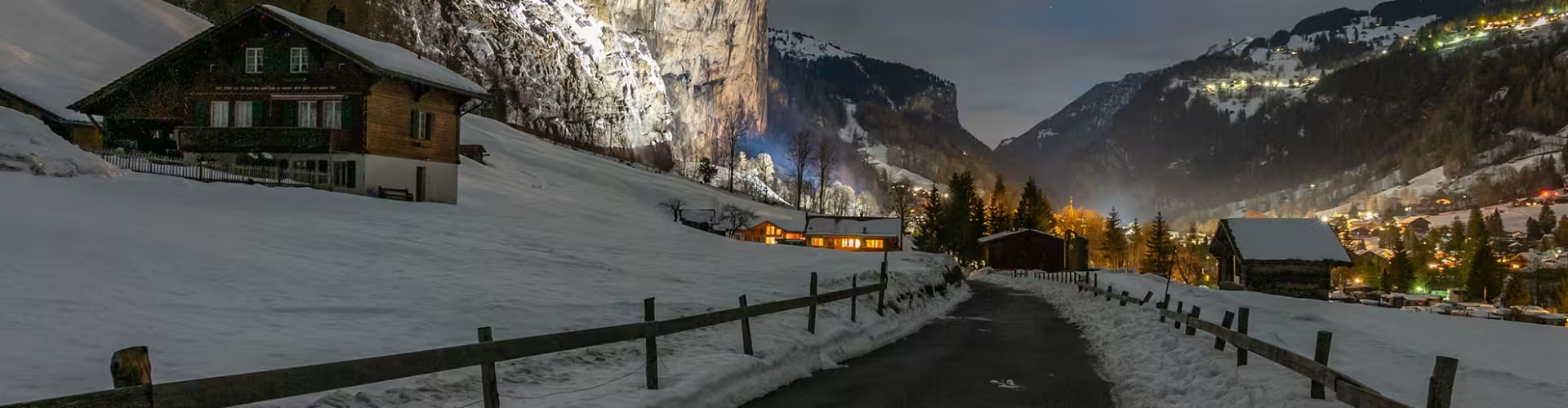


Interlaken-Oberhasli District is one of Switzerland’s most cinematic corners of the Bernese Oberland, where lake views, high peaks, and adventure culture meet a polished resort-town rhythm. Travelers come for alpine panoramas and outdoor variety, then stay for the ease of combining rail journeys, cableways, and walkable town centers into a seamless trip. This guide focuses on practical decision-making so you can match your pace, budget, and season to the experiences that fit best.
Interlaken-Oberhasli District feels like a crossroads of mountain energy and lakeside calm, with Interlaken acting as a lively base between Lake Thun and Lake Brienz. It is ideal for travelers who want big scenery without sacrificing comfort, transport connections, and a strong choice of day trips. Go now if you want a destination that adapts to your style, from gentle viewpoints and boat rides to higher-adrenaline activities and iconic rail routes.
Interlaken-Oberhasli District sits in the Canton of Bern, in the Bernese Oberland, between two major lakes and within reach of famous mountain regions. Interlaken is the best-known hub, and it works as a practical launch point for both lakeside excursions and higher alpine journeys. For international arrivals, Switzerland’s major airports and the national rail network are the typical gateways, with onward travel by train to Interlaken and surrounding villages.
Seasonality shapes the experience here more than almost anywhere else in Switzerland. Warmer months favor lake cruises, hiking, and long daylight for viewpoints, while colder months shift the focus to snow sports, winter walks, and cozy indoor stops when conditions turn. Peak periods generally bring fuller trains and more demand for popular mountain excursions, so planning your must-do days earlier in your trip can reduce stress if weather changes.
Switzerland is known for higher price levels, and Interlaken-Oberhasli District is no exception, especially in central Interlaken and at mountain viewpoints. Cards are widely used, but keeping some Swiss francs for small purchases can be helpful in quieter areas. A practical approach is to prioritize one or two “big ticket” scenic days, then balance them with lower-cost lake walks, village strolls, and self-guided viewpoints.
Interlaken-Oberhasli District rewards travelers who mix iconic panoramas with slower, place-based moments. Use these curated experiences to build a trip that feels both efficient and genuinely alpine.
Interlaken Lakes Promenade (Thun to Brienz vibe)
Interlaken’s signature setting is the space between two lakes, and a simple promenade walk helps you understand the geography fast. The scenery is not just pretty, it is the backdrop that makes every later excursion feel more meaningful. Practical tip: schedule this early on your first day to get oriented, then use it for golden-hour photos when the light softens.
Boat Time on Lake Thun or Lake Brienz
A lake ride adds a calm counterpoint to mountain days, and it frames the region’s villages and cliffs from a different angle. The experience also works well in mixed weather when higher elevations feel less inviting. Practical tip: sit on the side with the best views as you depart, and bring a light layer since lake breezes can feel cooler than the town center.
Jungfrau Region Viewpoint Day
Many travelers choose Interlaken-Oberhasli District as a base for classic Bernese Oberland views tied to the Jungfrau massif. This is the “why Switzerland” day for many itineraries, with dramatic vertical relief and memorable photo moments. Practical tip: start early to reduce crowd pressure and to keep flexibility if clouds roll in later.
Harder Kulm Style Panorama (Interlaken’s quick summit feeling)
A nearby viewpoint above Interlaken is a high-impact, low-effort way to get a summit sensation without committing a full day. It is especially useful if your trip is short or you want a scenic win before dinner. Practical tip: aim for late afternoon for softer light, then return to town for an easy evening.
Alpine Hiking on Marked Trails
Hiking is one of the most direct ways to experience the region’s scale, from forests and meadows to higher ridgelines. It also gives you control, you can choose short loops or longer routes depending on weather and fitness. Practical tip: bring layers and a rain shell even on clear mornings, and plan a turnaround time so you are not rushing downhill late.
Waterfalls and Valley Walks
Valley routes and waterfall stops deliver classic alpine atmosphere with less elevation gain than high mountain trails. They are also a smart choice for recovery days between bigger excursions. Practical tip: wear shoes with grip since spray and shaded paths can be slippery.
Adventure Sports Culture in Interlaken
Interlaken has a strong reputation for outdoor adventure, and even if you do not participate, the atmosphere is part of the destination’s identity. Watching paragliders, chatting with guides, and seeing gear culture in town adds texture to your trip. Practical tip: if you plan to book an activity, reserve ahead for your preferred time slot, then keep a weather buffer day if possible.
Scenic Train Journeys Through the Bernese Oberland
Rail travel is not just transport here, it is part of the attraction, with routes that feel like moving viewpoints. Trains also reduce planning friction, especially if you want to connect villages, lakes, and mountain gateways without driving. Practical tip: choose window seats when you can, and keep your camera accessible since views change quickly.
Start with a morning orientation walk in Interlaken, focusing on the lakeside atmosphere and the open valley views that define the setting. Then commit to one major scenic excursion, either a mountain viewpoint or a classic rail-linked panorama, and treat it as your centerpiece for the day. Return to town for a relaxed lakeside finish, and keep dinner plans flexible so you can time your evening around the best light.
Day one works best as Interlaken plus a quick viewpoint, which helps you understand the landscape and refine what you want more of. Day two can be your signature alpine day, pairing a scenic train journey with a higher-elevation experience, and building in time for a slow lunch to avoid turning the day into a sprint. Day three is ideal for a lake cruise or valley walk, plus a smaller village stop, which adds a quieter, more local rhythm to your Interlaken-Oberhasli District itinerary.
Food in this part of Switzerland leans comforting and alpine, built around cheese, potatoes, and hearty classics that feel especially satisfying after time outdoors.
Getting around Interlaken-Oberhasli District is typically easiest by train and local connections, with Interlaken serving as the main interchange. Many central areas are walkable, especially around Interlaken’s core, promenades, and lake access points, which makes short stays efficient. For mountain and valley excursions, plan your day around transport links, and keep an eye on weather so you can swap a high-elevation plan for a lakeside or town-based option if conditions change. As with any mountain region, wear appropriate footwear, and allow extra time for connections if you are traveling with mobility needs or bulky gear.
One day can cover Interlaken plus a single headline viewpoint, but it will feel fast. Two to three days gives you room for a mountain day, a lake day, and a slower village-style experience.
Yes, Interlaken is the main hub for transport connections and makes it easier to combine lakes, rail routes, and mountain gateways. It also offers the widest choice of services for planning day trips.
Warmer months suit hiking and lake time, while colder months emphasize snow-based activities and winter scenery. The best choice depends on whether you want long daylight and trails, or a winter atmosphere.
A car is not essential if you plan to rely on trains and local connections, especially when basing yourself in Interlaken. Walking also works well for central areas and lakeside promenades.
Start early, and prioritize your most important excursion on a weekday if your schedule allows. Keep one flexible day so you can shift plans if visibility is better on another morning.