The old town
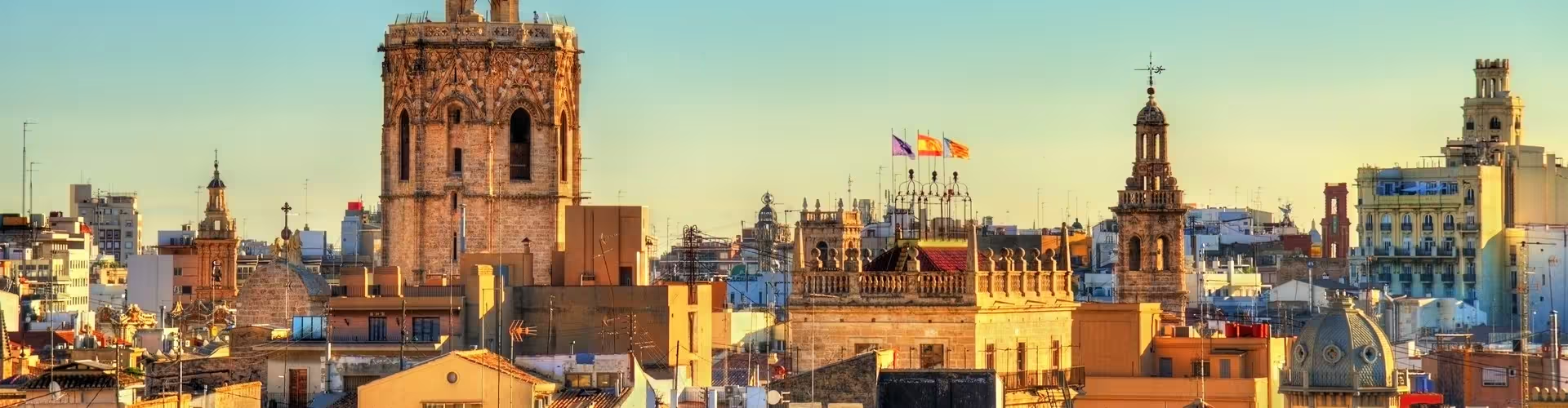
On the Plaza de la Reina stand the Cathedral and the Miguelete tower, where you can climb 207 steps for the views. The Silk Exchange (La Lonja de la Seda), built between 1482 and 1533 for trading in silk, is an example of late Gothic architecture, and in the city centre the Modernist Central Market is Europe's largest fresh produce market.
Arts and sciences
The City of Arts and Sciences, designed by Santiago Calatrava and Félix Candela, includes the Oceanogràfic, Europe's largest aquarium.
South of the city, La Albufera is a navigable lake next to the sea known as the 'mirror of the sun'.
Getting around
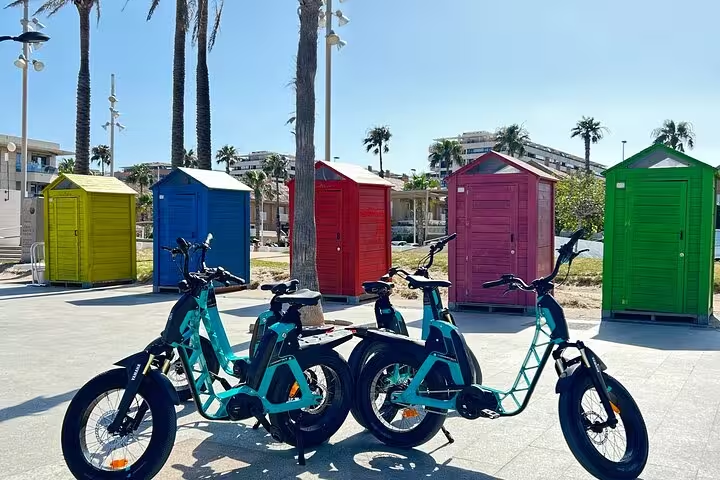
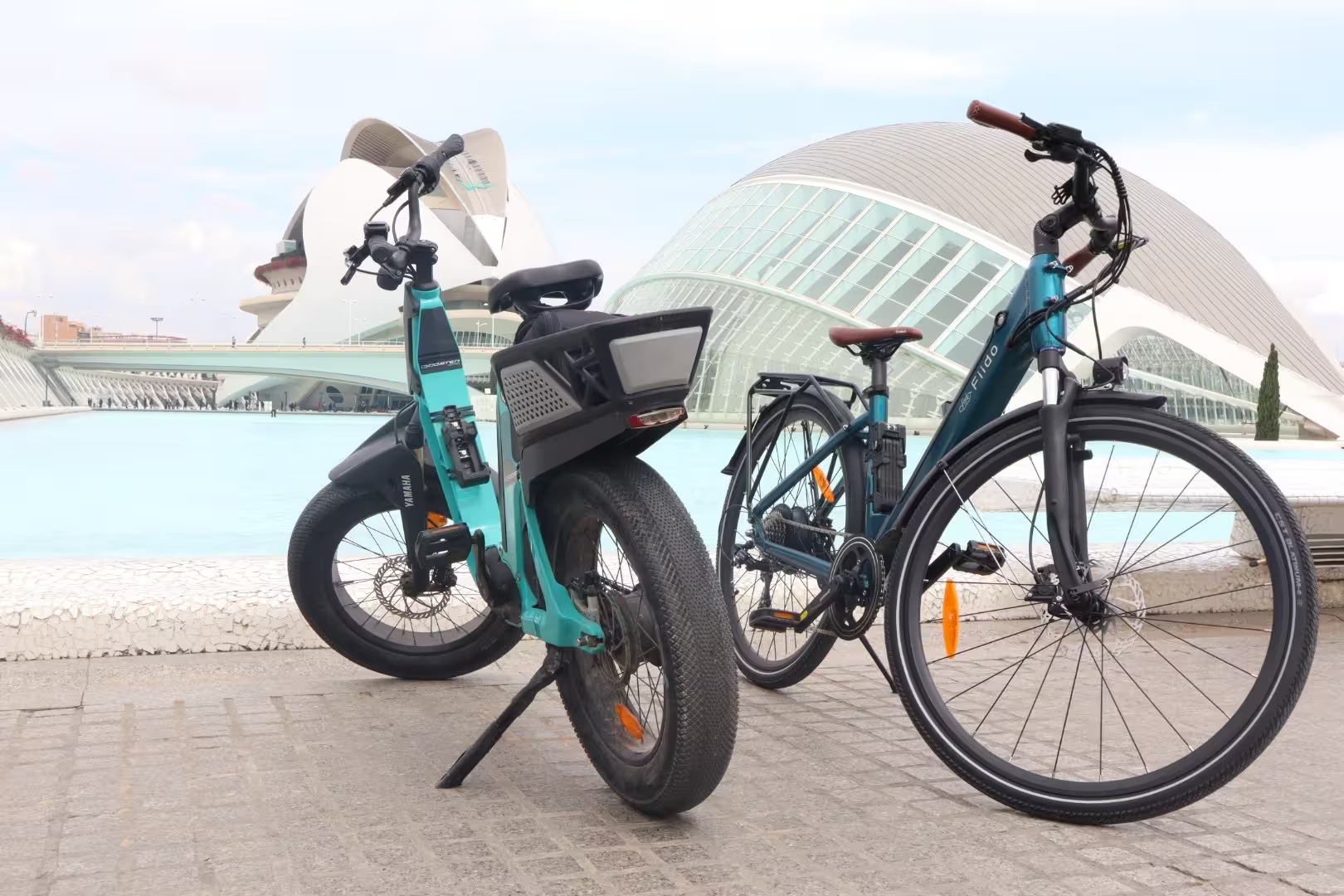
Valencia is a flat city, easy to get around by bicycle, with more than 200 km (120 miles) of bike lanes. For longer journeys, Joaquín Sorolla Station is the major high-speed hub, connecting with Madrid, Barcelona, Seville or Cordoba. Valencia Airport is 8 km (5 miles) from the city and is connected to the centre by metro and bus.
To see the city by bike there is the Valencia Guided Bike Tour: Cathedral, Turia & Arts City, and for families the Private Family Tour in Valencia with Kids & Local Guide.
Frequently asked questions
When are the Fallas?
The Fallas are held every March and end on the night of 19 March with the burning of the sculptures.
What is the Turia Garden in Valencia?
The Turia Garden stretches for over nine kilometres along the old course of the River Turia, which was diverted south of the city after devastating floods in 1957.