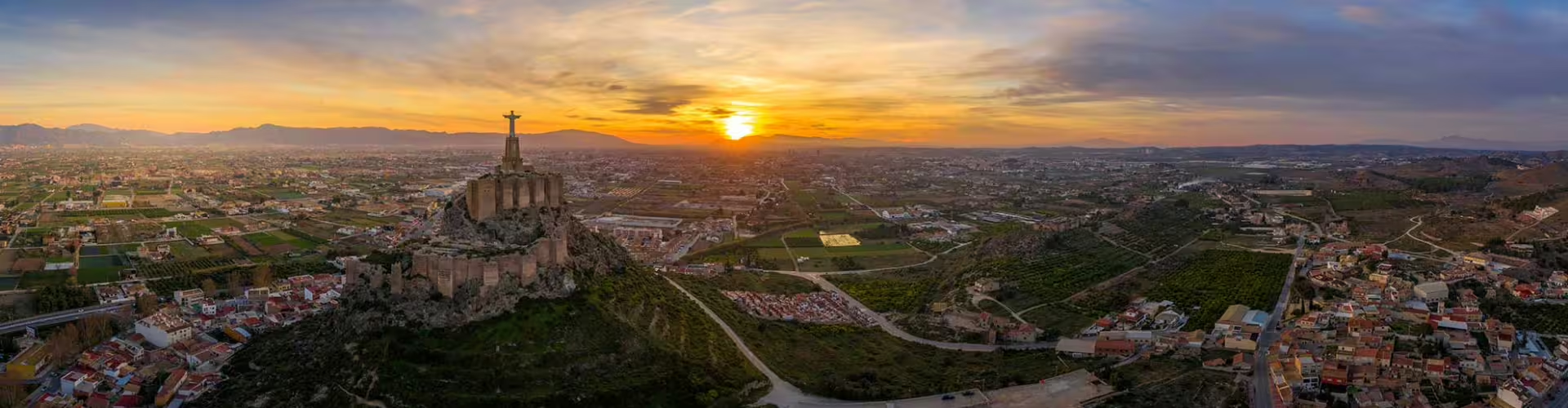


The Region of Murcia is an enchanting destination known for its stunning coastline, rich history, and vibrant culture. Nestled in the southeast of Spain, it offers travelers a delightful mix of modern comforts and historic charm, making it a must-visit for those exploring Spain.
Located in southeast Spain, the Region of Murcia is bordered by Andalusia, Castile-La Mancha, and Valencia. The region's primary gateway is the Murcia-Corvera Airport, while Alicante Airport is also conveniently nearby.
The best time to visit is during spring or autumn when the weather is mild, and crowds are thinner. Summer festivals add vibrancy to the region, though temperatures can be high.
Expect moderate prices for accommodation and dining. Credit cards are widely accepted, but carrying some cash is advisable for smaller vendors.
1. Explore Cartagena's Roman Theatre: Discover ancient history in this well-preserved structure; allow a couple of hours for a full tour.
2. Stroll Through Murcia City: The capital offers a rich blend of baroque architecture and bustling markets; perfect for a day's exploration.
3. Relax on Costa Cálida Beaches: Enjoy the sun and sand along this warm coast; great for families and water sports enthusiasts.
4. Visit the Sierra Espuña Natural Park: Ideal for hikers and nature lovers; offers panoramic views and diverse wildlife.
5. Marvel at the Lorca Castle: A historical gem offering insights into medieval life; guided tours enhance the experience.
6. Discover the Wine Routes: Sample local wines in scenic vineyards; guided tours available.
Start in Murcia City with a morning visit to the Cathedral, lunch in Plaza de las Flores, and an afternoon at the Roman Theatre in Cartagena.
Day 1 as above; Day 2 head to the Sierra Espuña Natural Park for hiking and end with a relaxing evening at a local vineyard.
Add a day trip to Lorca Castle and the beaches of Costa Cálida for a blend of history and relaxation.
Caldero: A traditional rice dish with fish, often enjoyed by the coast.
Paparajotes: Lemon leaves fried in batter, a local sweet treat.
Zarangollo: A simple but delicious dish of zucchini and onions.
Murcia Wines: Sample the Monastrell grape wines in local bodegas.
Rice and Rabbit: A hearty meal common in the region, served with a variety of spices.
Public transport includes buses and trams in cities; renting a car is best for exploring rural areas. Taxis are readily available, and cycling is popular in urban areas.
1. Cabo de Palos: A 40-minute drive to stunning marine reserves.
2. Calasparra: Visit the Sanctuary of La Esperanza, an hour away.
3. Archena Spa: Relax in thermal waters; a 30-minute drive.
Q: How many days do I need to explore the Region of Murcia?
A: Three days is recommended to fully enjoy the Region of Murcia, its main attractions, and a day trip or two.
Q: Are there any combo tickets available for attractions?
A: Yes, combo tickets for the Roman Theatre and other museums in Cartagena are available, offering savings on entry fees.
Q: What are the best neighborhoods to stay in Murcia?
A: The city center offers charm and proximity to attractions, while coastal areas provide stunning views and easy access to beaches.
Q: What is the weather like in the Region of Murcia?
A: Summers are hot and dry, ideal for beach activities, while spring and autumn are mild, perfect for sightseeing.
Q: Is the Region of Murcia accessible for travelers with mobility issues?
A: Most attractions are accessible, though some historic sites may have uneven terrain. Plan ahead for specific needs.