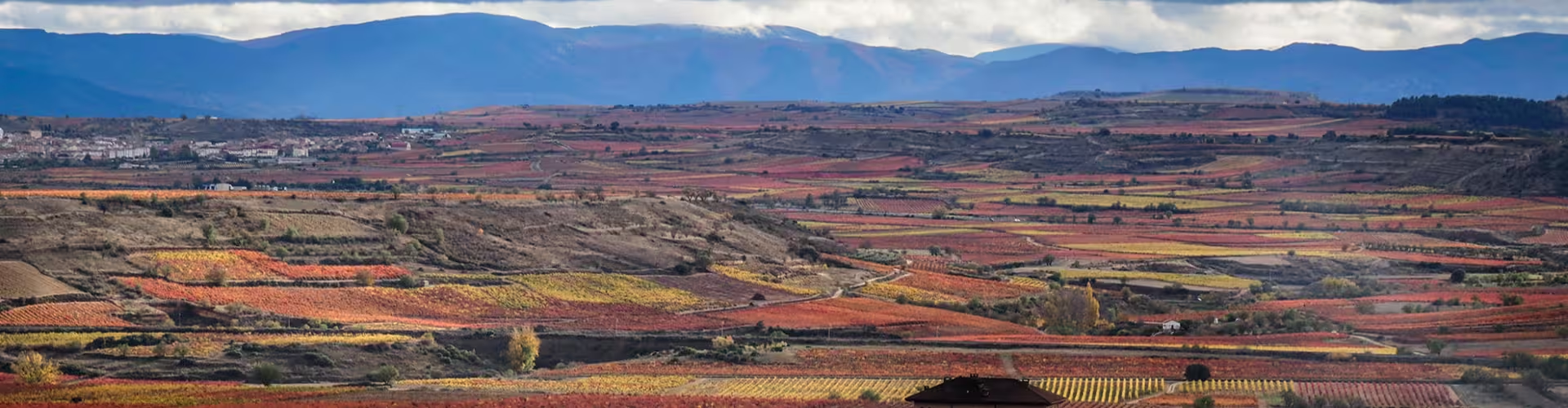

La Rioja, nestled in the heart of Spain, offers a captivating blend of tradition and modernity. Known for its world-renowned wines and stunning landscapes, this region is a must-visit for any traveler. Discover the Best things to do in La Rioja, from wine tours to historic architecture, promising an unforgettable journey.
Located in northern Spain, La Rioja is surrounded by the Basque Country, Navarra, and Castile and León. The nearest major cities are Bilbao and Zaragoza, with accessible train and bus connections.
Spring and autumn are ideal for visiting La Rioja, with mild weather and vibrant landscapes. Summer brings wine festivals, while winter is quieter but cozy.
Expect moderate costs for accommodations and meals. Credit cards are widely accepted, and wine tours often offer combo tickets for savings.
Start with a morning tour of a vineyard, enjoy lunch in Logroño, and end with an evening walk through Haro's old town.
Day one in Logroño and vineyards; day two exploring San Millán de la Cogolla and hiking nearby trails.
Combine cultural visits with outdoor activities, including a day trip to the picturesque village of Ezcaray.
Public transport is reliable, with buses and trains connecting major towns. Renting a car offers flexibility for exploring rural areas. Many attractions are walkable, and cycling is popular.
Q: How many days do I need to explore La Rioja?
A: Three days are recommended to fully enjoy La Rioja, explore its main attractions, and take a day trip.
Q: Are there any combo tickets available for attractions?
A: Yes, combo tickets for wine tours and historic sites are available, offering savings on entry fees.
Q: What are the best neighborhoods to stay in La Rioja?
A: Logroño offers vibrant nightlife and proximity to attractions, while Haro is ideal for wine lovers.
Q: What is the weather like in La Rioja?
A: Summers are warm and ideal for wine festivals, while spring and autumn offer mild weather perfect for sightseeing.
Q: Is La Rioja accessible for travelers with mobility issues?
A: Most attractions are accessible with some assistance. Plan ahead for specific needs, as some historic sites may have uneven terrain.