Situated on the stunning northwest coast of Spain, Vigo is a vibrant city in the Galicia region. With its unique blend of maritime charm and cultural depth, it offers a captivating destination for travelers. Enjoy exploring the Best things to do in Vigo amidst its scenic landscapes and bustling local life.
Vigo, a prominent city in Galicia, Spain, is conveniently located near major gateways like Santiago de Compostela and Porto. Reachable by both train and ferry, it serves as an accessible hub for exploring the Iberian Peninsula.
Spring and autumn are ideal for visiting Vigo, offering mild weather and fewer crowds. Don't miss the summer festivals, although summer can be quite busy.
Expect moderate prices in Vigo. Credit cards are widely accepted, but carrying some cash is advisable for smaller venues. Consider purchasing combo tickets for attractions to save money.
Explore Casco Vello: Wander through the historic old town, where narrow streets lead to charming squares and inviting cafes. Allocate a few hours for a leisurely visit.
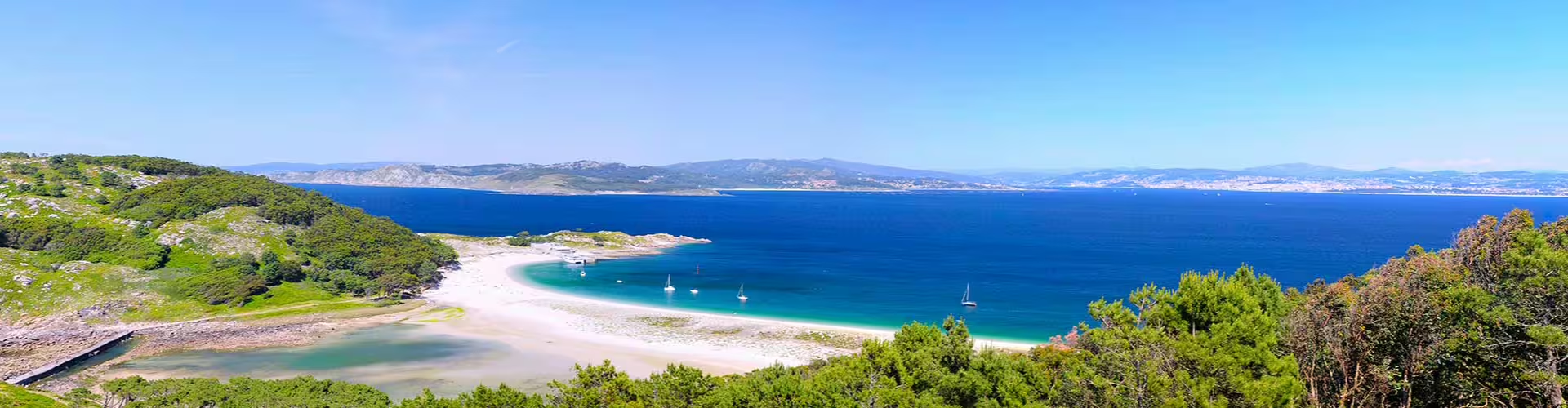
Visit Islas Cíes: Take a short ferry ride to this stunning archipelago known for its pristine beaches and clear waters. Ideal for a day trip.
Discover Museo do Mar de Galicia: Dive into the maritime history of Vigo and Galicia. Perfect for families, plan for a morning or afternoon visit.
Enjoy Ría de Vigo: Stroll along the picturesque estuary, offering panoramic views of the city and beyond. Great for photography enthusiasts.
Sample Local Seafood: Indulge in fresh seafood at the bustling Mercado da Pedra. Try the famous Galician octopus, best enjoyed in the evening.
Walk Monte del Castro: Hike up for breathtaking views of the city and harbor. A great spot for watching sunsets.
Start with breakfast in Casco Vello, explore the old town, then head to the Museo do Mar. Spend the afternoon at Ría de Vigo and end the day with dinner at a local seafood restaurant.
Day one as above, followed by a second day exploring Islas Cíes. Return in the evening for a stroll through the vibrant nightlife of Vigo.
Day one and two as above, add a day trip to the cultural city of Santiago de Compostela for a deeper dive into Galician history.
Pulpo a la Gallega: Octopus cooked to perfection, seasoned with paprika and olive oil.
Empanadas: Tasty pastries filled with meat or seafood, perfect for a snack.
Percebes: Goose barnacles that are a local delicacy, best enjoyed fresh from the market.
Albariño Wine: Sample this crisp white wine, a staple of the region.
Churros: Enjoy these sweet fried dough treats, typically dipped in thick hot chocolate.
Vigo offers efficient public transport options including buses and taxis. The city is pedestrian-friendly, with most attractions accessible by foot. Consider renting a bike for leisurely exploration. Safety is generally good, but stay alert in crowded areas.
Santiago de Compostela: 1.5 hours by train, renowned for its cathedral and historic center.
Baiona: 30 minutes by car, famous for its medieval fortress and beaches.
Rías Baixas: 1 hour by car, explore the scenic coastal inlets and vineyards.
Tui: 45 minutes by car, discover its charming old town and cathedral.
Q: How many days do I need to explore Vigo?
A: Three days is recommended to fully enjoy Vigo, explore its main attractions, and take a day trip.
Q: Are there any combo tickets available for attractions?
A: Yes, combo tickets for the Museo do Mar and other museums are available, offering savings on entry fees.
Q: What are the best neighborhoods to stay in Vigo?
A: The Old Town offers charm and proximity to attractions, while the beach area provides stunning views and easy access to the sea.
Q: What is the weather like in Vigo?
A: Summers are warm and sunny, ideal for beach activities, while spring and autumn are mild, perfect for sightseeing.
Q: Is Vigo accessible for travelers with mobility issues?
A: Some attractions have steps and uneven terrain, but many areas are accessible with assistance. Plan ahead for specific needs.