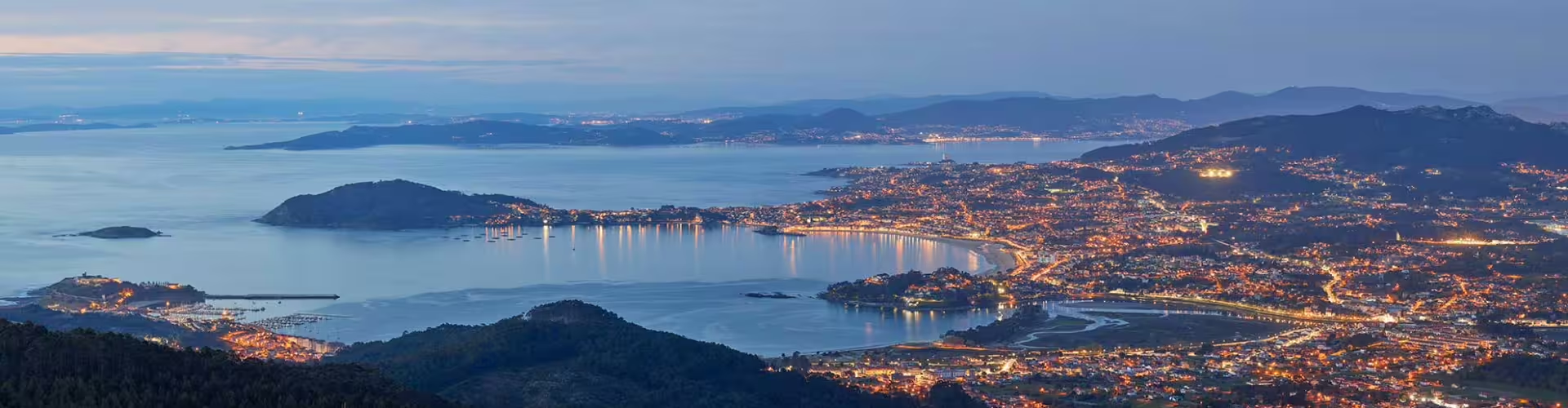
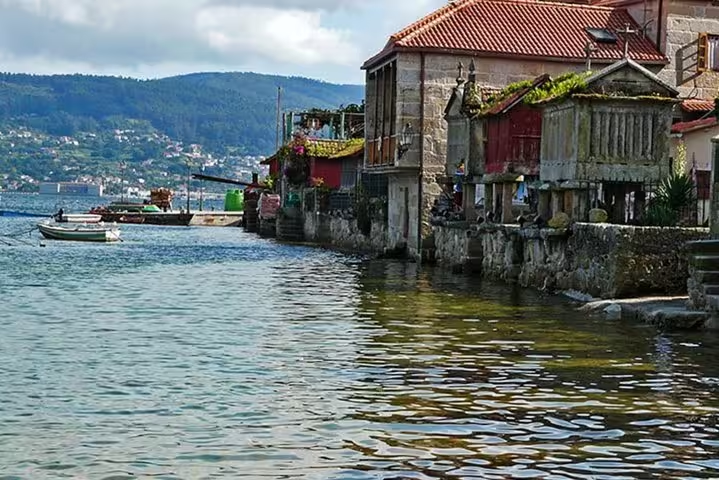
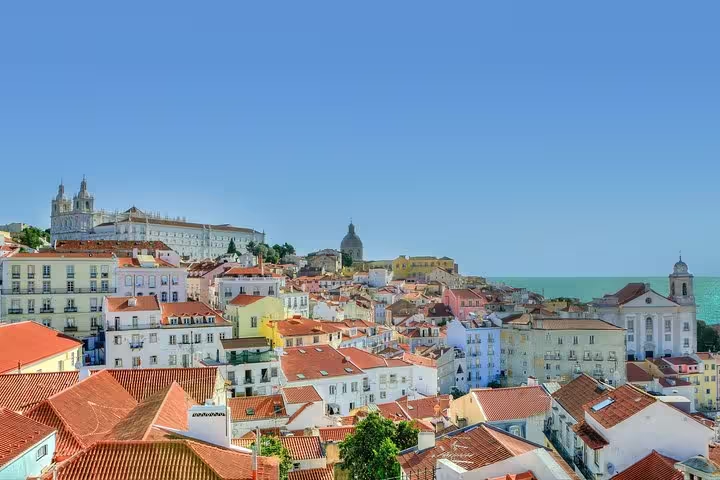
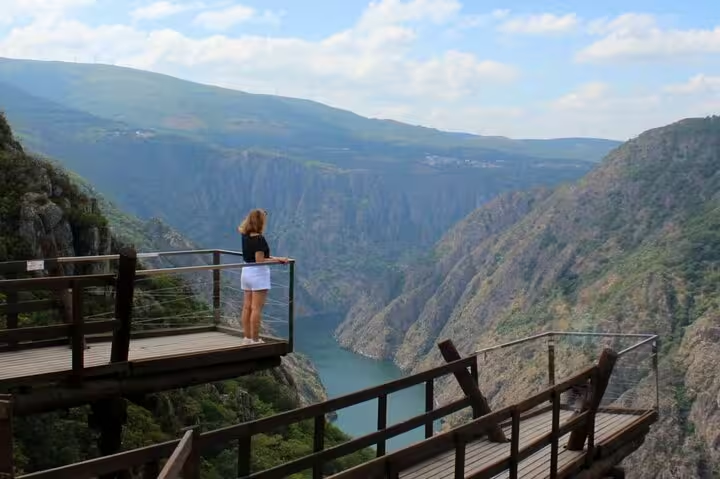
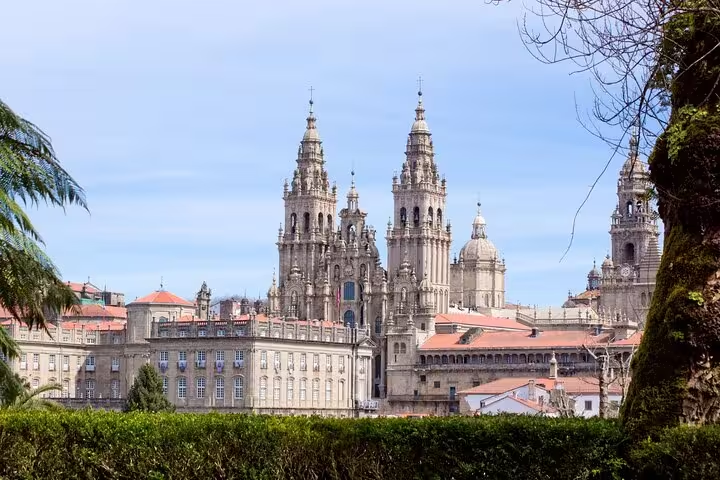
Galicia, located in the northwest corner of Spain, offers a unique blend of lush landscapes, rich culture, and stunning coastline. Known for its dramatic cliffs and the famous Camino de Santiago pilgrimage route, this region is a must-see for travelers seeking a combination of history and natural beauty. Discover the Best things to do in Galicia while enjoying its serene vibe.
Nestled in the northwest of Spain, Galicia is bordered by Portugal to the south and the Atlantic Ocean to the west. Major gateway cities such as Santiago de Compostela and A Coruña offer convenient airport access.
Spring and early autumn are ideal for visiting Galicia, with mild weather and fewer crowds. Summer brings festivals like the Festival of St. James, while winter is quieter, perfect for exploring without the hustle.
Galicia offers budget-friendly options. Meals are affordable; credit cards are widely accepted. Consider transport passes for savings on travel within the region.
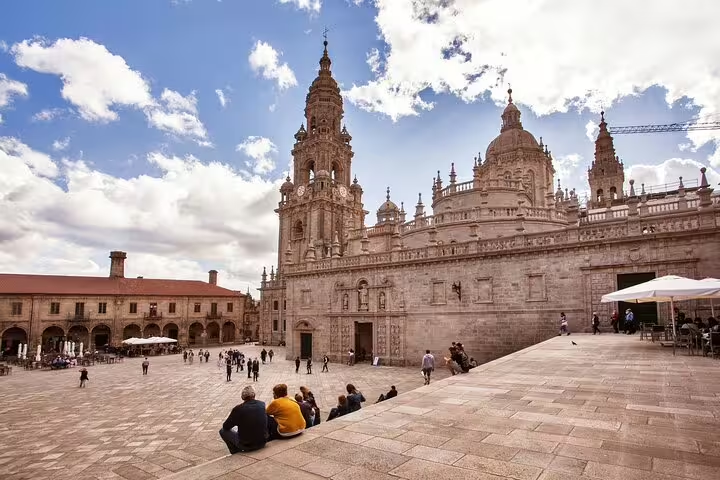
Explore Santiago de Compostela: Visit the famous cathedral, a UNESCO World Heritage site, and immerse yourself in the spiritual atmosphere. Allocate a few hours to fully appreciate its architecture.
Walk the Camino de Santiago: Experience the historic pilgrimage route, offering breathtaking views and cultural insights. Plan a day for short sections or weeks for the entire trek.
Visit the Tower of Hercules: This ancient Roman lighthouse in A Coruña offers panoramic views of the Atlantic. Perfect for a morning outing.
Relax at Rías Baixas: Known for its stunning beaches and delicious seafood, this area is ideal for a relaxing day by the sea.
Wander the Streets of Lugo: Discover the well-preserved Roman walls encircling the city, a perfect afternoon activity for history enthusiasts.
Enjoy the Cíes Islands: Take a ferry from Vigo to these stunning islands, renowned for pristine beaches and clear waters; ideal for a summer day trip.
Start with breakfast in Santiago de Compostela, explore the cathedral, walk the old town's streets, and finish with a seafood dinner in Rías Baixas.
Add depth by visiting the Tower of Hercules and A Coruña on Day 2, then relax in the evening at a local tapas bar.
Blend culture and nature by visiting Lugo's Roman walls on Day 3, ending with a sunset on the Cíes Islands.
Pulpo a la Gallega: Tender octopus seasoned with paprika; a must-try dish.
Tarta de Santiago: A delicious almond cake, perfect for dessert.
Albariño Wine: A crisp white wine from the Rías Baixas region, ideal with seafood.
Percebes: Goose barnacles, a local delicacy from the rocky coasts.
Empanada Gallega: A savory pastry filled with meat or fish, great for a snack.
Galicia offers a reliable network of buses and trains connecting major cities. Renting a car provides flexibility for exploring rural areas. Note that some coastal paths may require walking.
Ribeira Sacra: Visit the stunning vineyards and monasteries; about 1.5 hours from Santiago de Compostela.
Ourense: Known for its thermal baths, this city offers relaxation and history in equal measure.
Finisterre: Often considered the end of the Camino, this coastal town offers stunning ocean views.
Q: How many days are recommended to explore Galicia?
A: Three to five days are ideal to explore Galicia, visit its main attractions, and enjoy a day trip.
Q: Are there any combo tickets available for attractions?
A: Yes, combo tickets for the cathedral in Santiago and nearby museums are available, offering savings on entry fees.
Q: What are the best neighborhoods to stay in Santiago de Compostela?
A: The Old Town offers charm and proximity to attractions, while newer areas provide modern amenities.
Q: What is the weather like in Galicia?
A: Galicia enjoys a mild climate. Summers are warm, while spring and autumn are cooler and perfect for sightseeing.
Q: Is Galicia accessible for travelers with mobility issues?
A: Many attractions have steps and uneven terrain, but several areas are accessible with assistance. Plan ahead for specific needs.