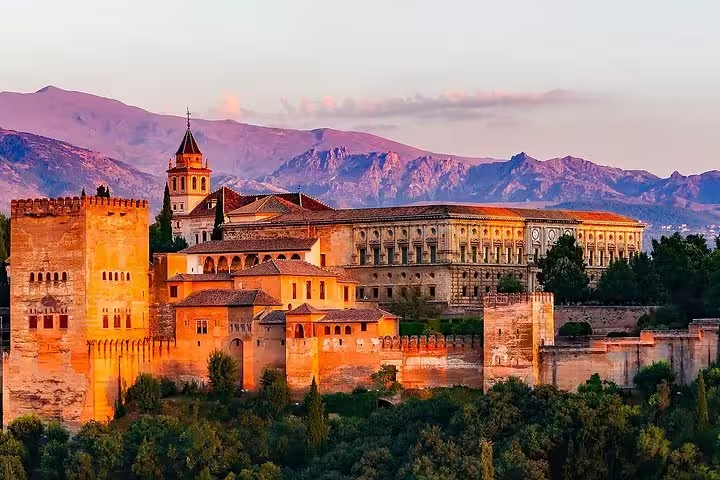
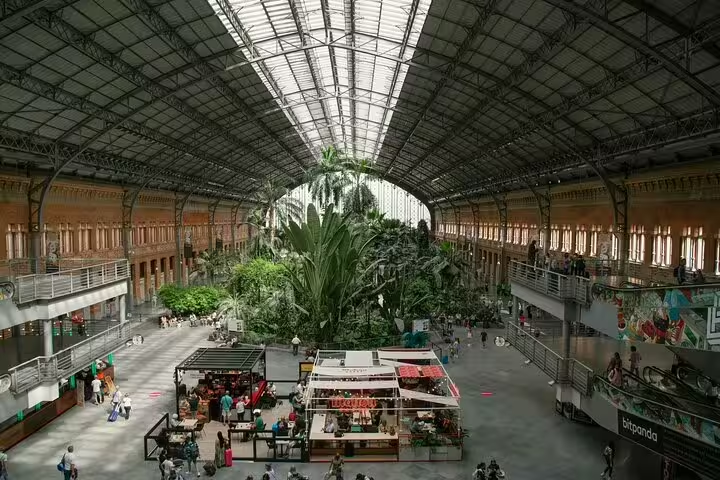
Madrid, the vibrant capital of Spain, offers an irresistible blend of history, culture, and modern flair. This bustling city is a haven for art lovers and food enthusiasts alike, with its stunning architecture and delectable cuisine. Discover the Best things to do in Madrid as you explore its lively streets and iconic landmarks.
Madrid is centrally located in Spain, making it a convenient hub for exploring the entire country. Its well-connected Barajas Airport and extensive train system provide easy access to other major cities like Barcelona and Seville.
The best time to visit Madrid is in spring (March to May) or fall (September to November) when the weather is pleasant and the city hosts numerous festivals. Summers can be hot and crowded, while winters are mild with fewer tourists.
Madrid is moderately priced compared to other European capitals. Credit cards are widely accepted, but it's handy to carry some cash. Consider purchasing a Madrid Tourist Travel Pass for unlimited metro and bus rides.
Prado Museum: A must-visit for art aficionados, featuring works by Velázquez and Goya. Plan for at least two hours to explore.
Retiro Park: Perfect for a leisurely stroll or a boat ride on the lake, offering a refreshing escape from the city buzz.
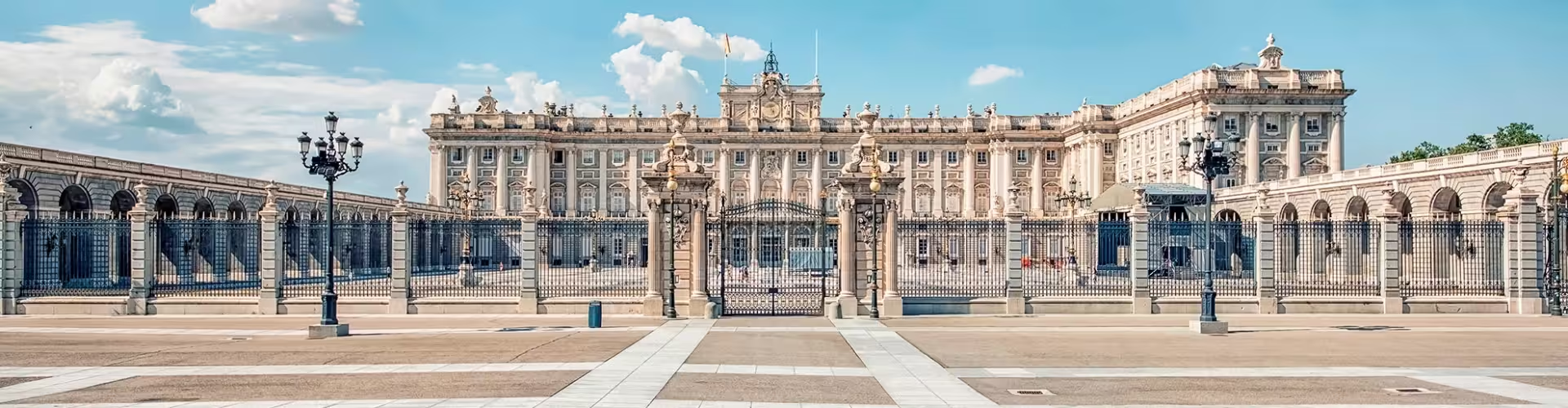
Royal Palace of Madrid: Experience Spanish royalty with a tour of the opulent rooms. Book tickets in advance to skip the line.
Gran Vía: Madrid’s bustling shopping street, ideal for those looking to indulge in retail therapy and soak in the vibrant city life.
Plaza Mayor: This historic square is a great spot for people-watching and enjoying tapas at nearby cafes.
Santiago Bernabéu Stadium: A treat for football fans; take a tour to see the home of Real Madrid. Allow two hours for the full experience.
Start your day at the Prado Museum, have lunch in Plaza Mayor, and spend the afternoon exploring Retiro Park. End the day with dinner in the La Latina neighborhood.
Day one as above. On the second day, visit the Royal Palace and discover the trendy streets of Malasaña and Chueca.
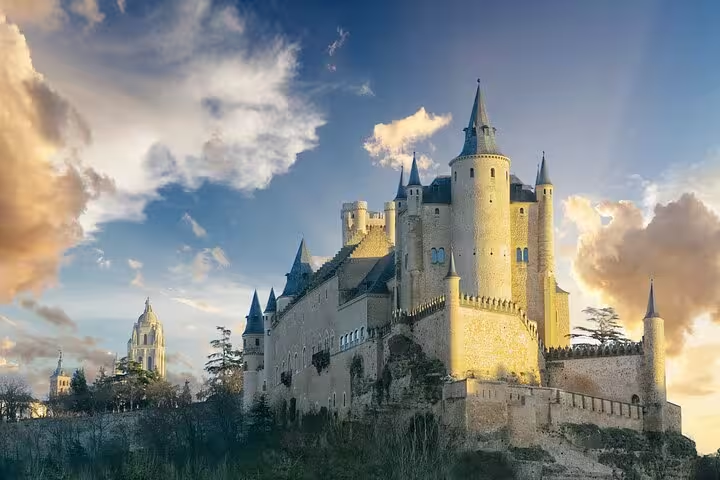
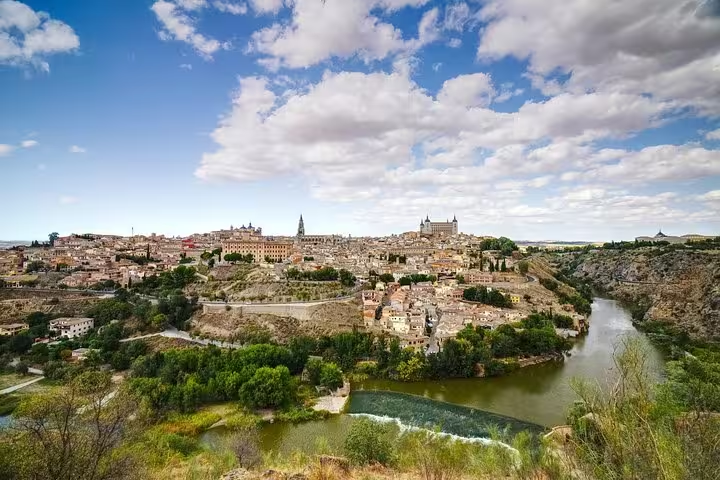
On the third day, take a day trip to Toledo or Segovia, both offering rich history and stunning architecture just an hour away from Madrid.
Tapas: Small plates of various dishes, perfect for sampling a range of flavors. Try patatas bravas and jamón ibérico.
Churros con Chocolate: A sweet treat, these fried dough pastries are best enjoyed with a cup of thick hot chocolate.
Paella: A traditional Spanish rice dish, typically featuring seafood or chicken. Best enjoyed in a local restaurant.
Cocido Madrileño: A hearty chickpea-based stew, perfect for a filling meal. Order it in traditional taverns.
Vermouth: Enjoy this fortified wine as a pre-dinner drink, often served with an olive or orange slice.
Madrid's public transport is efficient and easy to use, with an extensive metro, bus, and train network. Consider a transport pass for unlimited travel. Taxis are plentiful, and bike rentals offer a fun way to explore the city. Be mindful of pickpockets in crowded areas and on public transport.
Toledo: A UNESCO World Heritage Site, just an hour by train, known for its medieval architecture and El Greco art.
Segovia: Famous for its Roman aqueduct and fairy-tale castle, about a 90-minute drive from Madrid.
El Escorial: A majestic royal monastery and palace, around 50 km northwest of Madrid.
Q: How many days do I need to explore Madrid?
A: Three days is ideal for discovering the Best things to do in Madrid, including its main attractions and a day trip.
Q: Are there any combo tickets available for attractions?
A: Yes, combo tickets for the Royal Palace and Prado Museum are available, providing savings on entry fees.
Q: What are the best neighborhoods to stay in Madrid?
A: Malasaña and Chueca offer a lively atmosphere, while Barrio de las Letras provides historical charm and proximity to attractions.
Q: What is the weather like in Madrid?
A: Summers are hot, with temperatures reaching 30°C, while spring and fall are mild and pleasant. Winters are cool but manageable.
Q: Is Madrid accessible for travelers with mobility issues?
A: Many attractions have ramps and elevators, but some areas may have uneven terrain. Plan ahead for specific needs.