
Explore Tours

Build your dream
experience

More to know about Villalba de la Sierra
Villalba de la Sierra Travel Guide
Snapshot
Villalba de la Sierra is a small, nature-forward escape in Spain that appeals to travelers who want fresh air, river landscapes, and a slower rhythm than big-city itineraries. The signature vibe is outdoorsy and local, with a focus on simple pleasures, scenic walks, and time spent in the surrounding countryside. Go now if you want a low-stress base for exploring rural Spain, especially if your trip already includes inland routes through central regions.
🗺️ Geography and Logistics
📍 Orientation: Where is it within Cuenca Province and Spain? Name key gateway airports or hubs.
Villalba de la Sierra sits within Cuenca Province, in the autonomous community of Castilla La Mancha, an inland region known for wide horizons, historic towns, and nature reserves. For most travelers, the easiest way to plan the journey is to route through a major Spanish hub and then continue overland into the province. Build your plan around the closest practical transport connections you already have in your itinerary, then reserve extra buffer time for rural roads and fewer daily departures.
🕒 When to Go: Seasonal breakdown. Weather patterns vs. crowd levels.
Expect a classic inland Spain pattern, warmer months feel brighter and more active outdoors, while cooler months favor shorter hikes and cozy meals. Shoulder seasons typically balance comfortable temperatures with a calmer atmosphere, which suits travelers who want nature time without rushing. If you are sensitive to heat or prefer longer daytime walks, plan your outdoor activities early and keep midday flexible.
💰 Budget & Currency: Practical money tips, local price levels, and card vs. cash advice.
Spain uses the euro, and small-town travel often feels good value compared with major tourist cities. Carry a little cash for small purchases and keep a card as your primary payment method, since acceptance can vary by business type and size. A practical approach is to budget for simple meals, local transport, and a few paid activities in the wider area, then keep a cushion for spontaneous stops and day trips.
⭐ Essential Things to Do
1) Riverside Walks and Nature Time
The simplest pleasure in Villalba de la Sierra is slowing down and spending time outdoors, especially if your trip needs a reset from museums and city streets. River corridors and green edges of town often create the most photogenic moments because the scenery changes with light and season. Practical tip, start early for softer light and a quieter path, then return later for a second look at sunset colors.
2) Scenic Viewpoints for Photos
In rural Cuenca Province, viewpoints are often about scale, big skies, layered hills, and the sense of distance you rarely get in coastal resorts. This is where the destination’s calm vibe becomes tangible, you can take your time composing shots and simply listening to the landscape. Practical tip, bring a light layer even on warm days, wind can make exposed spots feel cooler than expected.
3) Easygoing Village Stroll
A walk through Villalba de la Sierra helps you tune into local pace and notice details that guidebooks often miss, daily routines, quiet streets, and the way nature sits close to homes. It is a good way to orient yourself before committing to longer excursions. Practical tip, do a first loop soon after arrival, then repeat it later to spot what changes when the day quiets down.
4) Local Food Breaks Between Activities
Food is part of the travel logic here, not a separate event, it refuels you between walks and day trips and anchors you to the region’s traditions. In inland Spain, meals often feel hearty and seasonal, which pairs naturally with outdoor plans. Practical tip, aim to eat earlier or later than peak hours if you prefer a calmer atmosphere.
5) Slow Travel Base for Rural Castilla La Mancha
Using Villalba de la Sierra as a base makes sense if you want to explore the wider inland region without changing hotels frequently. The value is in flexibility, you can adjust plans around weather, energy levels, and road conditions. Practical tip, group nearby stops on the same day to avoid backtracking on rural routes.
6) Stargazing on Clear Nights
Away from dense urban lighting, night skies can feel more dramatic, and the quiet makes the experience more immersive. This is a low-cost highlight that fits almost any itinerary and does not require special equipment. Practical tip, check the sky conditions before dinner and bring a warm layer, temperatures can drop quickly after sunset.
7) Short Drives for Scenic Loops
If you have a car, short scenic loops are one of the best ways to experience the area’s variety without committing to long hikes. Driving also helps you connect small rural points of interest that public transport may not link efficiently. Practical tip, keep water in the car and download offline maps in case mobile coverage dips.
8) Picnic-Style Lunch in Nature
A picnic turns a simple viewpoint or riverside pause into a memorable travel moment and keeps your day trip schedule flexible. It also suits travelers who want to avoid rigid meal times and prefer to eat when the light and scenery are best. Practical tip, pack out all waste and bring a small bag, rural areas rely on visitors being careful and self-sufficient.
🚶 Curated Itineraries
⏰ The Highlights (1 Day): A fast-paced Best Of route.
Start with an early orientation walk through Villalba de la Sierra to get a feel for the village and identify your easiest access points to nature. Follow with a longer outdoor block, a riverside stretch, a viewpoint stop, or a short scenic drive depending on your mobility and transport. Break for a hearty local lunch, then spend the afternoon on a second, lighter walk focused on photos and relaxed pacing. End the day with a calm dinner and, if skies are clear, a simple stargazing session.
⏰ Deep Dive (2-3 Days): Adding neighborhood exploration and local secrets.
Day 1 focuses on settling in, a village stroll, a gentle nature walk, and a meal that introduces you to inland Spain flavors. Day 2 is your longer exploration day, plan a scenic loop with multiple stops, then add a flexible picnic or café break so you are not locked into a fixed schedule. Day 3 keeps things light, revisit your favorite viewpoint at a different time of day, pick up small supplies for the journey onward, and leave time for unplanned detours. This slower structure helps you experience Castilla La Mancha as a rhythm, not a checklist.
🍽️ Flavors of Villalba de la Sierra
Hearty stews often define inland comfort food, rich, warming, and ideal after time outdoors. Ordering tip, ask what is most seasonal or what locals are eating that day.
Roasted meats are a classic regional direction in rural Spain, with deep savory flavor and simple sides. Ordering tip, if you are sharing, ask for a portion that suits the table so you can sample more than one dish.
Local bread and olive oil make an easy starter that highlights Spain’s ingredient-first style. Ordering tip, keep it simple and pair it with whatever the kitchen recommends as a house specialty.
Cheese and cured bites suit a slow afternoon, salty, satisfying, and easy to combine with a scenic stop. Ordering tip, request a mixed board to taste variety without over-ordering.
Seasonal vegetables tend to show up in straightforward preparations that let freshness lead. Ordering tip, ask for the vegetable dish that best matches the season, it is often the quiet standout.
Simple desserts in rural areas often lean toward comforting textures rather than elaborate presentation. Ordering tip, if you are unsure, choose the most traditional option on the menu and pair it with coffee.
🚌 Navigation & Transport
Villalba de la Sierra is easiest to enjoy with a walk-first mindset, especially for village exploration and short nature breaks. For wider roaming in Cuenca Province, a car can add major flexibility because rural connections may be limited and distances feel longer than they look on a map. If you rely on public transport, plan around fewer daily options and confirm return timing so you do not get stranded after a long walk. For safety, carry water and sun protection in warmer periods, and add a layer for evenings, since inland temperatures can swing quickly.
🌄 Beyond the Center: Day Trips
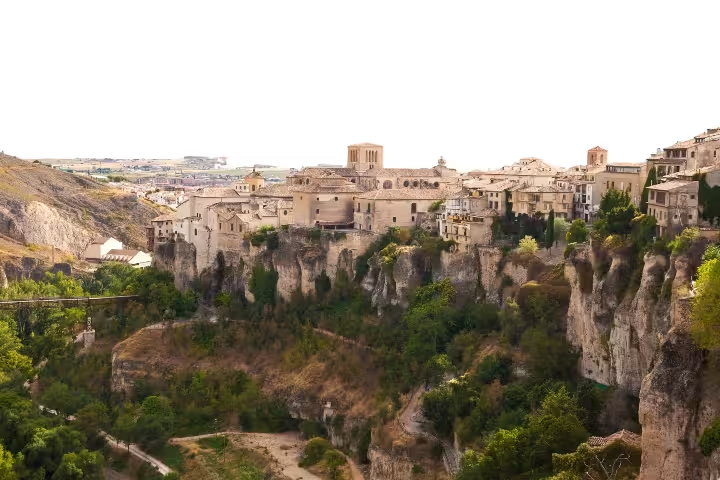
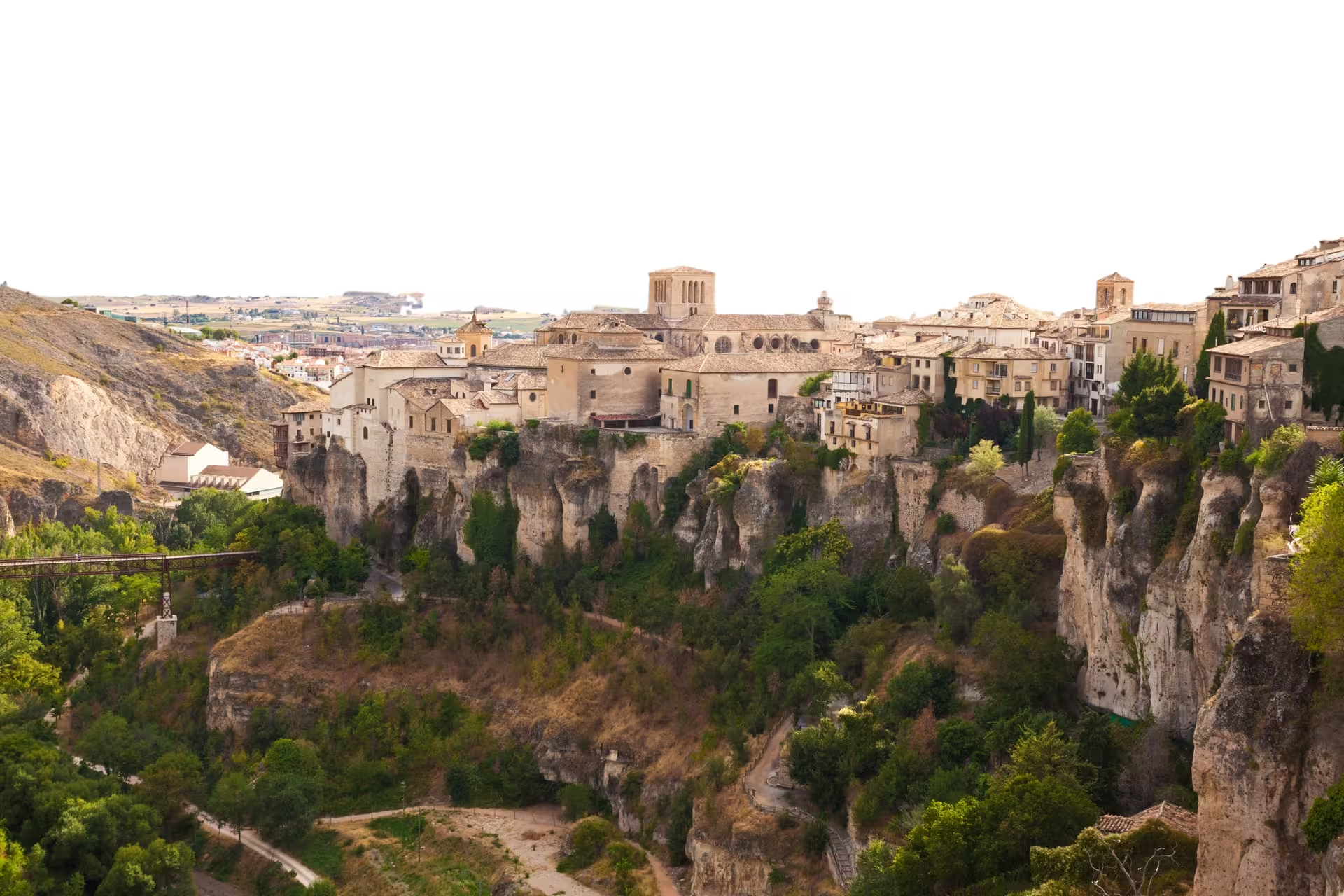
Cuenca (city), a logical day trip within Cuenca Province for travelers who want historic streets and a change of pace from nature time. Travel time varies by route and transport, so plan conservatively and prioritize one core area rather than trying to cover everything in a single sprint.
Rural scenic drives in Castilla La Mancha, ideal if you want to see more landscapes and small settlements without a rigid plan. Travel time depends on your loop, so build a route with one main stop and several optional pullovers.
Additional villages in the province, good for a low-key café stop, a short walk, and a glimpse of local life beyond your base. Travel time varies, so pair one nearby village with a viewpoint stop to make the day feel full without being exhausting.
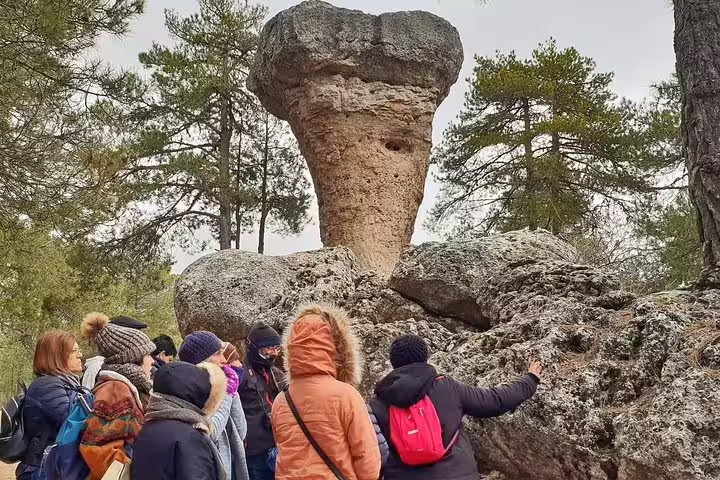
Nature-focused areas nearby, best for longer walks and photo breaks that lean into the region’s outdoors identity. Travel time depends on access points, so leave early and keep daylight in mind for the return.
✅ Insider Tips for Travelers
- Plan outdoor time in two blocks, morning and late afternoon, to avoid the strongest sun and to catch better photo light.
- Carry cash for small purchases, but keep a card ready for larger payments.
- Download offline maps before heading out on rural roads, coverage can be inconsistent.
- Pack a light layer year-round, evenings in inland Spain can feel cooler than expected.
- Keep water and a small snack with you, especially if you are walking outside the village center.
- Build day trips with a single priority stop and optional extras, it reduces stress if timing shifts.
- Respect quiet residential streets, keep voices low at night and follow posted guidance in natural areas.
❓ Frequently Asked Questions, FAQ
Is Villalba de la Sierra better for a quick stop or an overnight stay?
It works for both, but an overnight stay gives you the best chance to enjoy early and late outdoor light. Staying longer also makes it easier to add a relaxed day trip without rushing.
Do I need a car to get around?
Walking is great for village exploring and short nature breaks. A car is helpful for reaching wider areas of the province efficiently and for building flexible scenic loops.
What is the best time of year for outdoor activities?
Shoulder seasons often balance comfortable temperatures with fewer crowds. In hotter months, plan walks early and keep midday open for rest and meals.
Is Villalba de la Sierra suitable for travelers who prefer slow travel?
Yes, the pace naturally supports slow travel, with easy days built around walks, viewpoints, and long meals. It is also a practical base for exploring inland Spain without changing accommodations often.
What should I pack for a trip in Cuenca Province?
Bring comfortable walking shoes, sun protection, and a refillable water bottle for outdoor time. Add a light layer for evenings and a small day bag for snacks and essentials.
This guide explains how to plan a visit to Villalba de la Sierra in Cuenca Province, Castilla La Mancha, with practical logistics, curated experiences, and trip-planning tips. It is written by Toursxplorer.com to help travelers make confident decisions and build realistic itineraries.
Europe, Spain, Castilla La Mancha, Cuenca Province, Villalba de la Sierra