

Discover the heart of Spain with our Travel guide to Castilla–La Mancha. This region offers a blend of rich history, stunning landscapes, and authentic Spanish culture. Picture yourself exploring medieval towns or wandering through the vast plains that inspired Don Quixote.
Nestled in central Spain, Castilla–La Mancha is easily accessible from major cities like Madrid and Valencia. With well-connected train and road networks, exploring this region is a breeze.
Spring and autumn are ideal for visiting, with mild temperatures and fewer crowds. Summer festivals add vibrant energy, though it can be hot.
Expect moderate prices. Credit cards are widely accepted, but keep cash for rural areas. Consider combo tickets for attractions for savings.
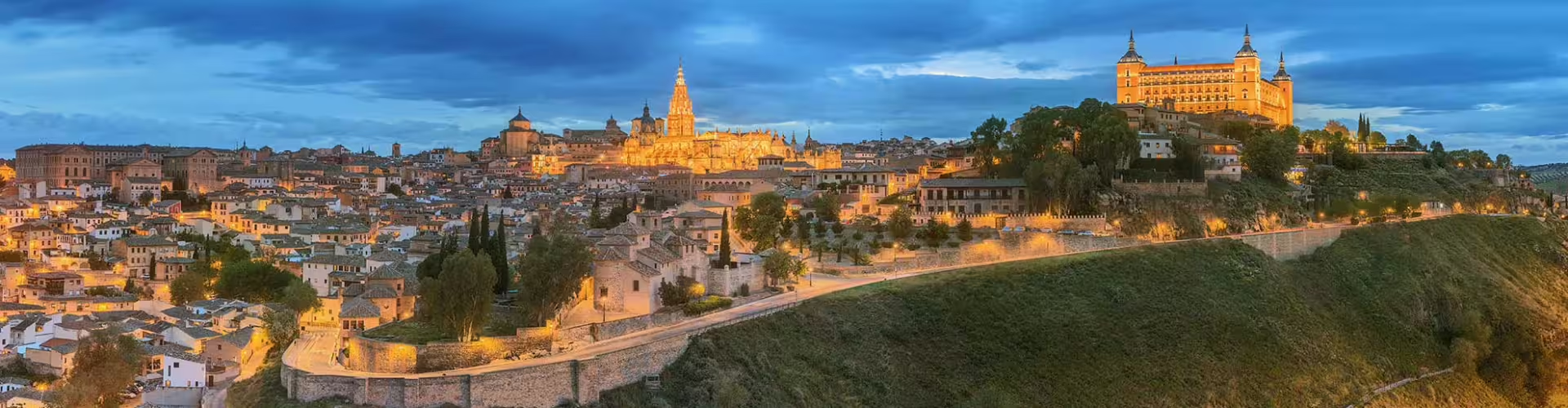
Explore Toledo: Dive into the rich history of Toledo, a UNESCO World Heritage site. Allocate a full day to wander its cobbled streets and visit its grand cathedral.
Visit the Windmills of Consuegra: These iconic windmills offer a glimpse into the past, and the panoramic views are a photographer's dream.
Alcázar of Alarcón: This majestic castle offers a fascinating look into medieval architecture. Guided tours are available.
Cuenca's Hanging Houses: Experience architectural marvels in Cuenca. These houses perched on cliffs are a must-see for architecture enthusiasts.
Lagunas de Ruidera: Perfect for nature lovers, these stunning lakes offer opportunities for hiking, swimming, and picnicking.
Albacete's Tapas Trail: Savor the local cuisine with a tapas tour. It's an excellent culinary journey through traditional Spanish flavors.
Start in Toledo; explore its historic sites, followed by a visit to the windmills of Consuegra in the afternoon.
Day one in Toledo; day two in Cuenca to explore its old town and hanging houses.
Day trips to Lagunas de Ruidera and a culinary tour in Albacete make for a perfect blend of nature and gastronomy.
Try Migas Manchegas, a hearty dish made with bread and chorizo. Sample Queso Manchego, a renowned cheese. Enjoy Gazpacho Manchego, a savory stew, and sip on local wines.
Public transport is efficient, with buses and trains connecting major towns. Renting a car offers flexibility for rural explorations. Accessible travel options are improving, but plan ahead for specific needs.
Ciudad Real: Just an hour’s drive, it offers historical sites and museums. Perfect for a cultural getaway.
Valdepeñas: Known for its vineyards, a wine tasting tour here is a delightful experience.
Alcalá del Júcar: A charming village with a stunning gorge setting. Ideal for picturesque walks.
Q: How many days do I need to explore Castilla–La Mancha?
A: Three days is recommended to fully enjoy Castilla–La Mancha, explore its main attractions, and take a day trip.
Q: Are there any combo tickets available for attractions?
A: Yes, combo tickets for the Alcázar of Alarcón and other landmarks offer savings on entry fees.
Q: What are the best neighborhoods to stay in Castilla–La Mancha?
A: Toledo offers charm and proximity to attractions, while Cuenca provides stunning views and easy access to nature.
Q: What is the weather like in Castilla–La Mancha?
A: Summers are hot and dry, ideal for exploring early or late; spring and autumn are mild, perfect for sightseeing.
Q: Is Castilla–La Mancha accessible for travelers with mobility issues?
A: Some attractions have steps and uneven terrain, but many areas are accessible with assistance. Plan ahead for specific needs.