Santoña: tours, things to do and Cantabria
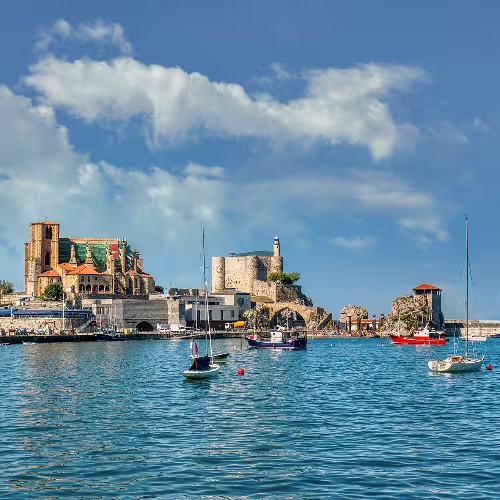
Santoña suits a trip built around anchovies, historic buildings and the marshes beside Monte Buciero. Its centre lies on flat ground, while the slopes of El Brusco and El Buciero give the surrounding landscape a different character. That contrast is useful when deciding between time in town and a walk towards the Faro del Caballo.
How many days should you spend in Santoña?
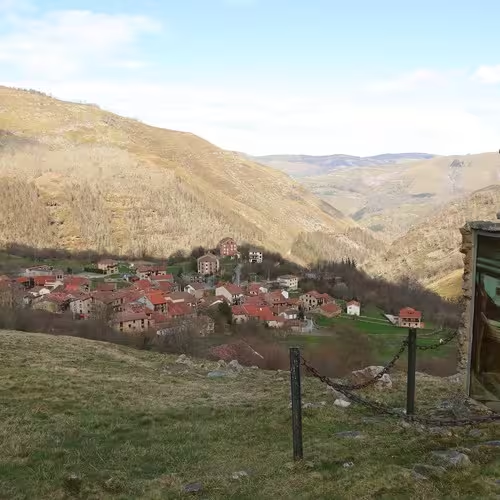
Two days would let you devote a day to food and wine and another to the church, forts or marshes. The private food and wine tour in Cantabria with anchovies and sobao lasts 9 hours and 30 minutes and includes a private local expert guide. It includes an anchovy factory visit and tasting at Conservas Emilia, a vineyard visit with wine tasting and a snack, and a visit to the Sobaos Joselin factory and museum with a tasting. A scenic drive through Santoña port and the Pasiego Valleys, a stop at Mirador de la Braguia and lunch at a local restaurant in the Pasiego Valleys are also included.
On the other day, Santa María del Puerto and the forts would give your visit a historical focus; the marshes would make it a nature day instead.
Which things to do in Santoña suit a history visit?
Santa María del Puerto and the forts make a coherent plan if you want to understand different periods of Santoña's past. The Romanesque church dates from the 13th century and grew out of an older monastery bearing the same name. Inside, the San Bartolomé altarpiece contains Flemish paintings from the 16th century.
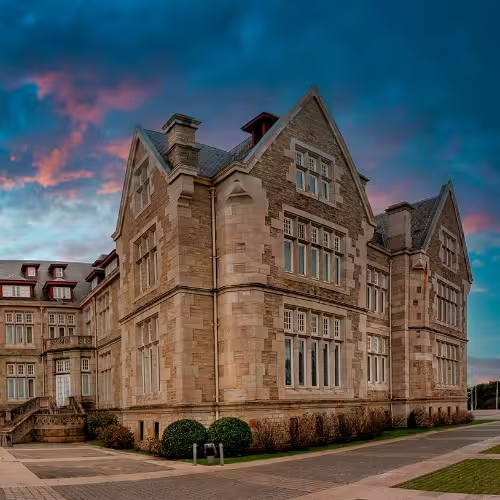
The forts shift the focus to defence: French forces attacked Santoña in 1639, and Fuerte de San Martín and Fuerte de San Carlos were built in the 17th century to guard the bay. Palacio Chiloeches adds another perspective, having served as a military hospital in the 19th century and later as a prison during the Spanish Civil War.
Is the Faro del Caballo walk right for you?
The Faro del Caballo is a walking option to weigh against your willingness to tackle 763 steps. That staircase leads to the lighthouse on Monte Buciero, where the light entered service in 1863. Prisoners from the Cuartel del Presidio de Santoña built the stairs, adding a human history to the climb.
What makes Cantabria's marshes worth including?
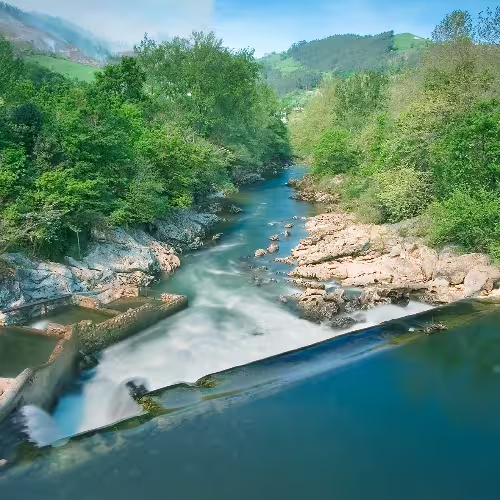
The marshes deserve time if birds are the focus of your trip. The Marismas de Santoña, Victoria and Joyel Natural Park provides wetland habitat for waterfowl, and tides shape the marshes of the Trasmiera ecopark within the reserve. Thousands of migrating birds characterise Trasmiera; the spoonbill is one of the most important species that stop in the Santoña marshes.
When should you visit Santoña for birds?
Winter suits a birdwatching visit. SEO/BirdLife counts show that more than 20,000 waterbirds can gather at times in autumn and winter in the protected area of Marismas de Santoña, Victoria y Joyel and Ría de Ajo. That seasonal concentration gives a wildlife trip a clear focus.
How should you plan getting around?
The flat town centre and the surrounding slopes call for separate outings. El Brusco and El Buciero belong to the mountainous part of Santoña, and the lighthouse staircase adds a specific physical commitment to that choice. For a wider walking itinerary through Cantabria, Santoña lies between Laredo and Noja on the Camino del Norte, whose route follows the Cantabrian coast.
Frequently asked questions
Is Santoña on an island?
Santoña occupies a peninsula formed by an ancient sandy tombolo.
What fish is sold in Santoña besides anchovies?
Tuna is also a mainstay of Santoña's fish trade.
How high above sea level is the light at Faro del Caballo?
The light is positioned 24 metres above sea level.