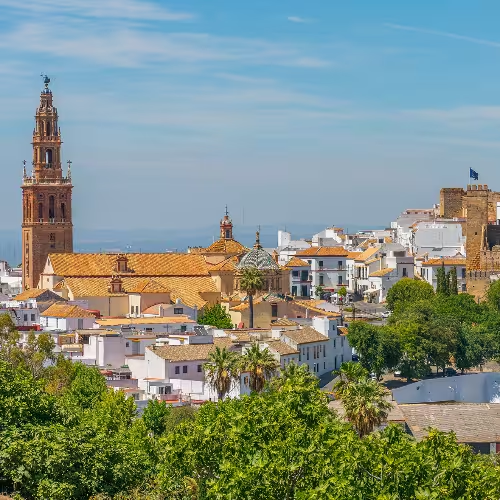
Santillana del Mar is a picturesque medieval town nestled in Cantabria, northern Spain, renowned for its perfectly preserved cobblestone streets and whitewashed architecture. This charming settlement captivates visitors with its unspoiled character, blending authentic Spanish heritage with natural coastal beauty along the Bay of Biscay.
What to see in Santillana del Mar
The Collegiate Church of Santa Juliana stands as the town's architectural centerpiece, showcasing Romanesque design from the 12th century. Wander through the main plaza surrounded by noble houses with heraldic shields, and visit the nearby Altamira Caves, famous for their prehistoric Paleolithic paintings discovered within rock formations outside the town proper.
Things to do in Santillana del Mar
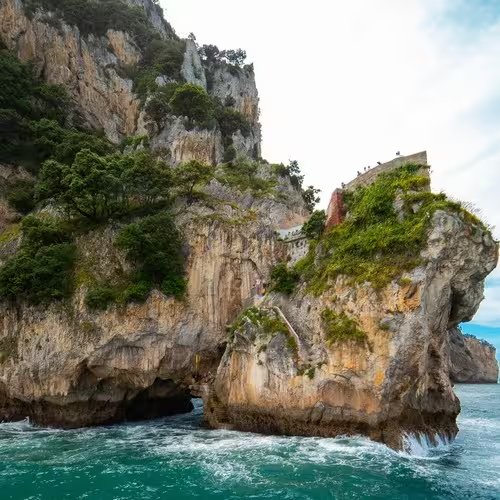
Explore the network of narrow medieval alleys on foot, discovering art galleries and local shops housed in centuries-old buildings. Day trips to nearby beaches, coastal walks along Cantabrian cliffs, and visits to regional museums offer varied experiences for culture enthusiasts and nature lovers alike.
Medieval Architecture and Cultural Heritage
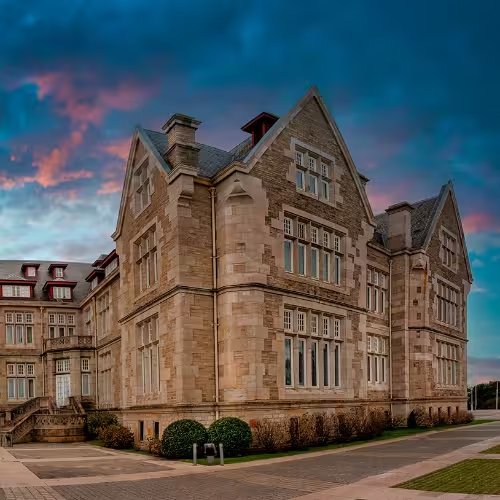
Santillana del Mar is recognized across Europe for its exceptional preservation of medieval urban planning and parador de Santillana del Mar hospitality. The town frequently appears in documentaries and heritage studies as a prime example of Spanish medieval town development, attracting architects and historians studying pre-modern European settlements.
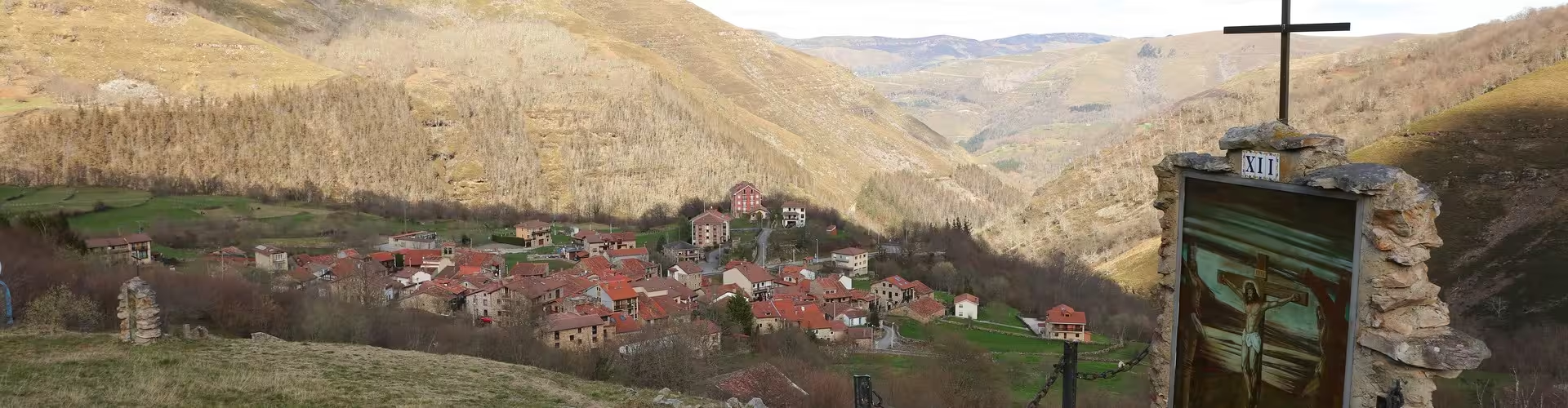
Santillana del Mar is located in Cantabria, a region in northern Spain along the Bay of Biscay coast. The town sits approximately 30 kilometers west of the coastal city of Santander and serves as a gateway to the Altamira archaeological site, one of Spain's most significant prehistoric locations. The broader Cantabrian region is known for its dramatic coastlines, green landscapes, and rich cultural heritage spanning medieval to modern periods.
Medieval Town, Cultural Heritage, Historic Architecture, Paleolithic Sites, Cantabria, Northern Spain, Romanesque Churches, Coastal Regions, European Heritage Tourism, Archaeological Significance