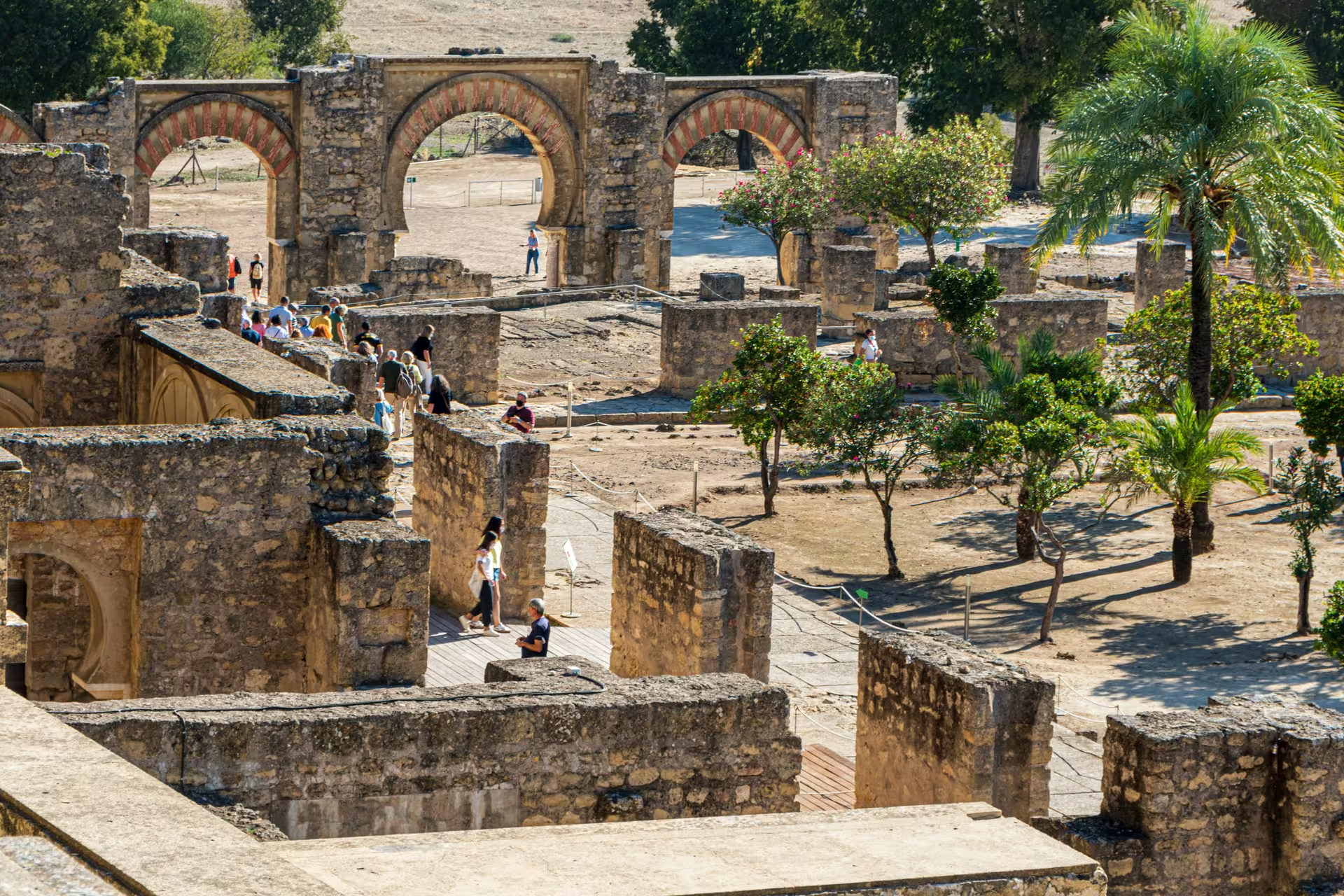
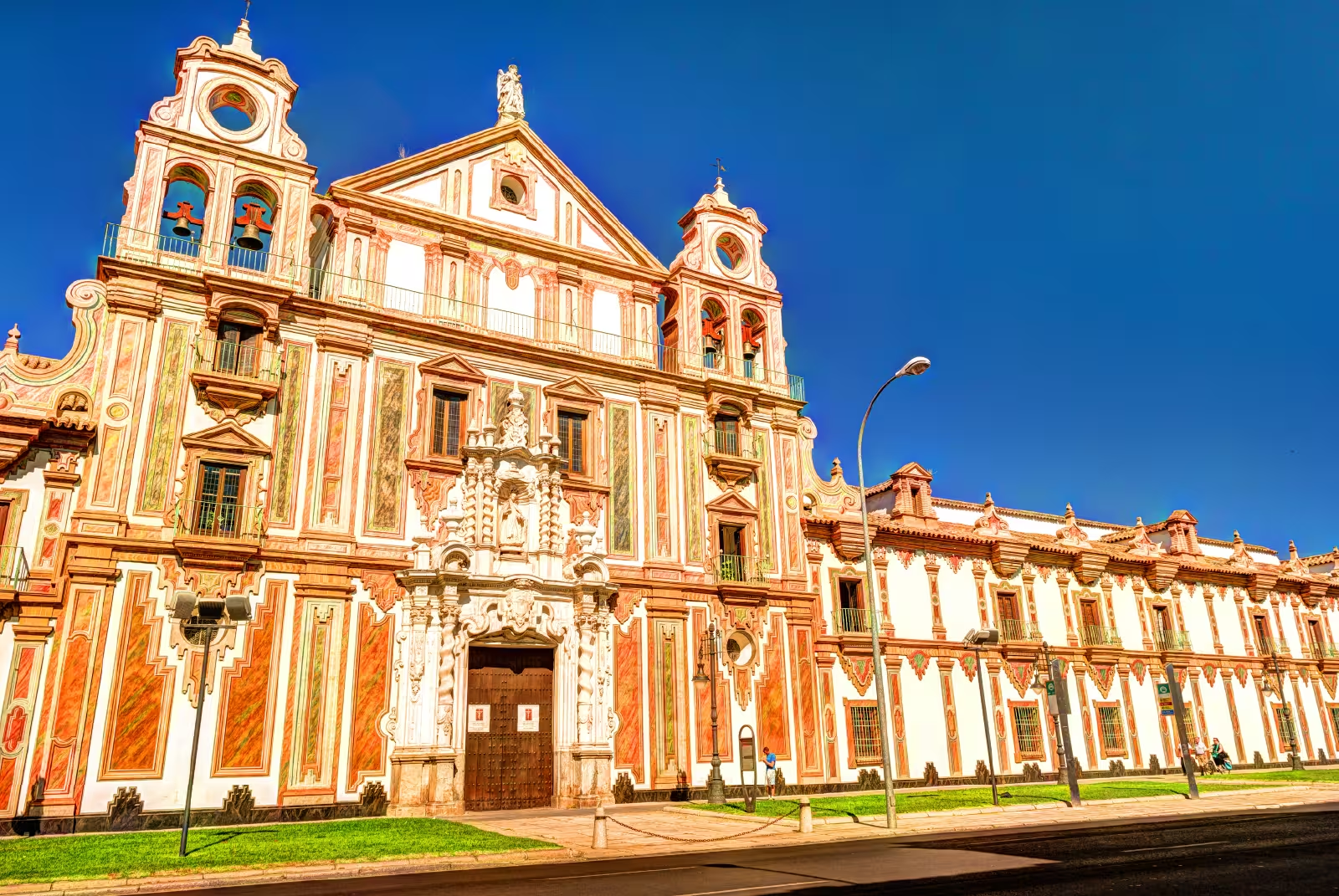
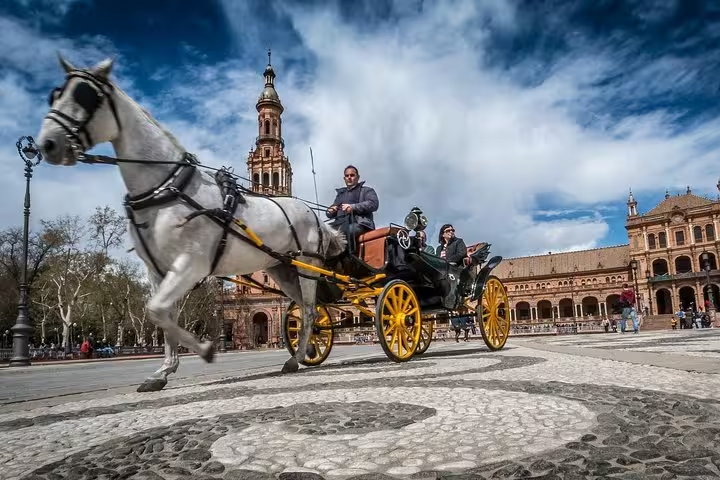
Cordoba is a city of layered cultures where Roman foundations, Islamic artistry, and Christian heritage shape the streetscape and the daily rhythm. The signature vibe is intimate and walkable, with whitewashed lanes, shaded patios, and a historic core that rewards slow exploration. Go now if you want a destination that feels richly historic yet easy to navigate, ideal for a focused city break or as a standout stop on an Andalusia route.
Cordoba sits in southern Spain within Andalusia, positioned inland between other major regional hubs. It works well as a base for exploring the Guadalquivir River landscape and the historic cities that define the region’s identity. For arrivals, most travelers connect via larger gateway airports and rail hubs in Andalusia, then continue onward by train or road for a straightforward city entry.
Expect a classic inland Andalusian pattern, with hotter periods that favor early starts and late finishes, and cooler stretches that make all day sightseeing more comfortable. Shoulder seasons tend to balance pleasant walking conditions with manageable crowd levels, especially if you want to take your time in the historic center. If you visit during peak heat, plan a midday break, then return for golden hour when the city’s stone and courtyards feel at their most atmospheric.
Spain uses the euro, and Cordoba is generally easy for travelers who prefer card payments, especially in central areas. Carry some cash for smaller purchases and quick stops, particularly in traditional bars or neighborhood spots. To keep spending predictable, prioritize one or two paid highlights per day, then balance them with free wandering, viewpoints, and long lunches that double as rest time.
These experiences are curated to help you decide what is truly worth your time, with practical tips for planning and pacing. Use them to build your own Cordoba itinerary around your interests and energy level.
Mezquita Cathedral (Mosque Cathedral)
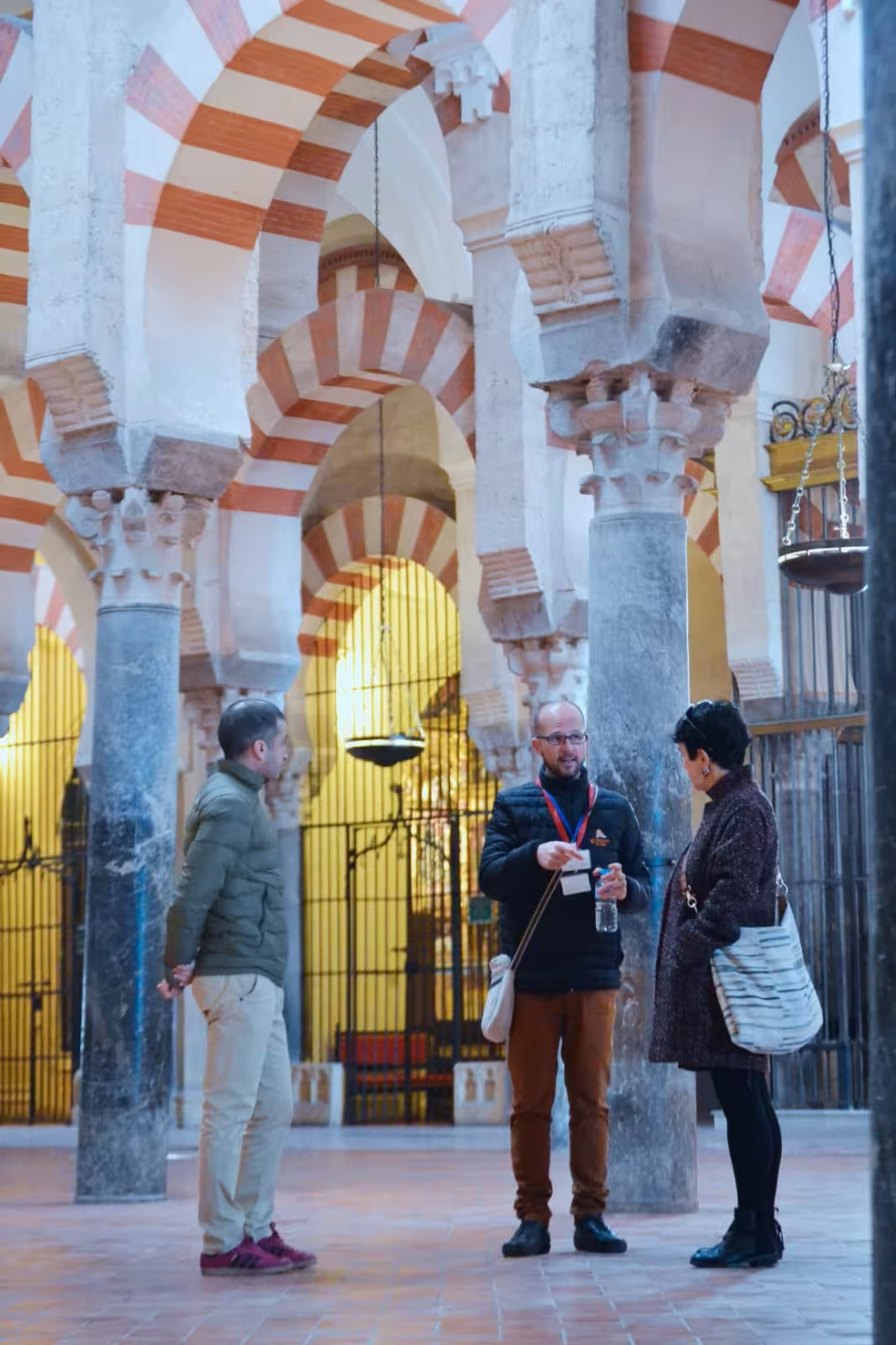
This is the city’s defining monument and a powerful symbol of Andalusia’s layered history, where architecture communicates centuries of change. The visual rhythm of arches and columns is unforgettable, and it anchors the surrounding historic streets with a sense of scale and meaning. Practical tip, go early in the day for calmer viewing and better photos, then explore nearby lanes afterward while you are already in the historic core.
Jewish Quarter (Judería)
The Judería is about texture and atmosphere, narrow lanes, small squares, and a lived in feel that invites you to slow down. It is one of the best areas for understanding the city’s multicultural past through urban form rather than a single site. Practical tip, treat it like a walking loop and pause often, the best moments are usually found between major landmarks.
Alcázar of the Christian Monarchs
This fortress and palace complex adds a different chapter to the story, with a more overtly royal and strategic tone. It complements the Mezquita Cathedral by showing how power and aesthetics evolved in later periods. Practical tip, pair it with a relaxed stroll afterward, the contrast between fortified walls and garden calm makes the visit feel more complete.
Roman Bridge and Riverside Walk
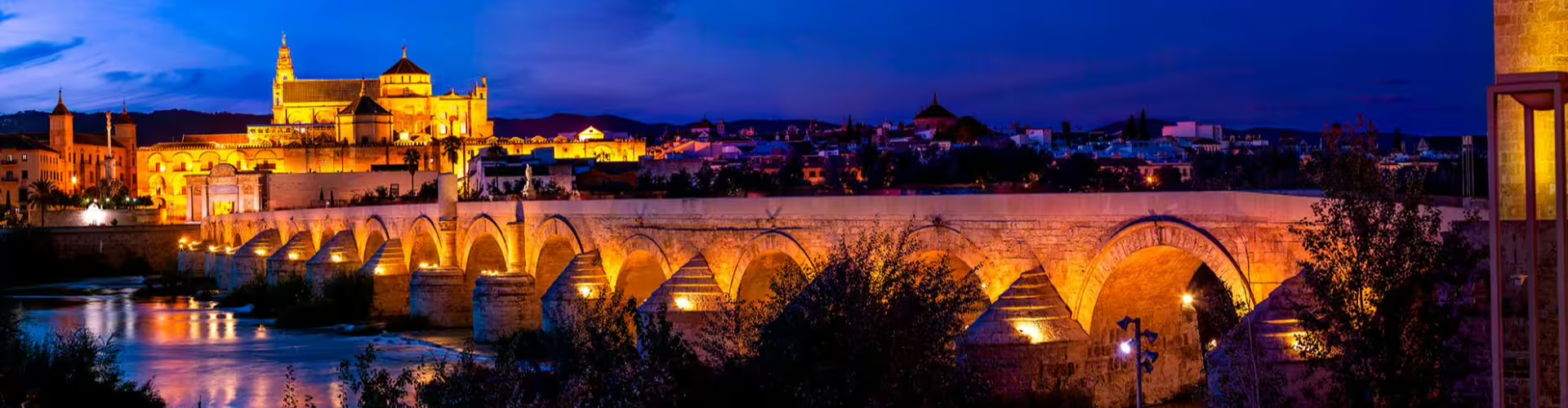
The bridge is a classic viewpoint and a satisfying way to connect the city’s Roman legacy to its present day skyline. The riverside setting also gives you breathing room from the tight lanes of the center. Practical tip, go near sunset for softer light and a more cinematic view back toward the historic core.
Patios and Courtyards
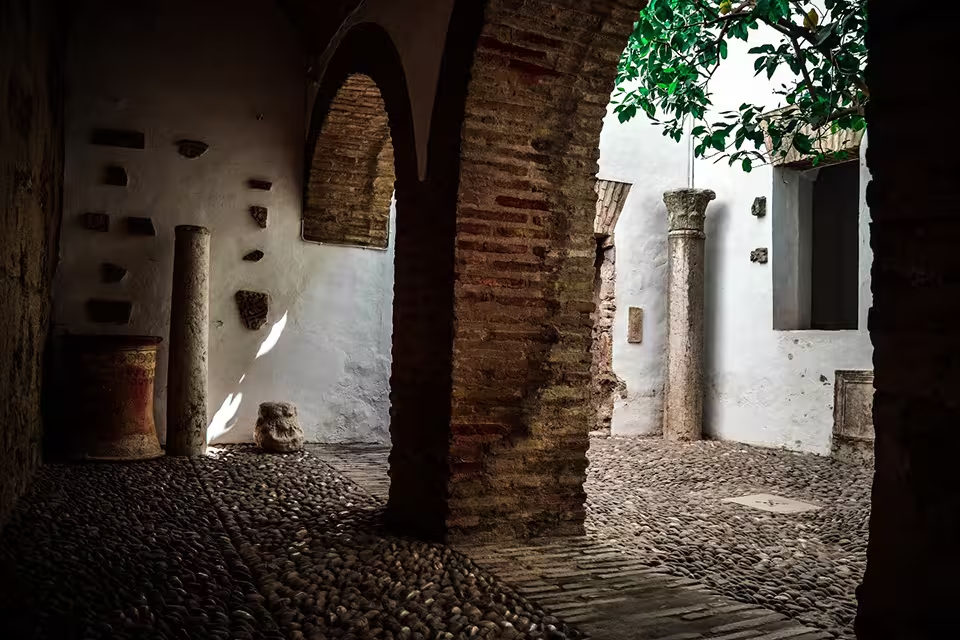
Patio culture is one of the most distinctive experiences in Cordoba, focused on shade, flowers, and the art of making beauty in small spaces. Even without a specific festival visit, looking for courtyards and traditional architecture helps you understand how locals respond to climate and community. Practical tip, wear comfortable shoes and plan your courtyard focused wandering for earlier or later hours when the lanes feel cooler.
Plazas and Local Bar Hopping
The city’s social life is often anchored in small plazas and casual bars where conversation sets the tempo. This is where you can shift from checklist sightseeing into something more lived in, observing daily routines and local etiquette. Practical tip, order one or two items at a time and linger, it is a better cultural experience than rushing through multiple stops.
Historic Center Walk, Self Guided
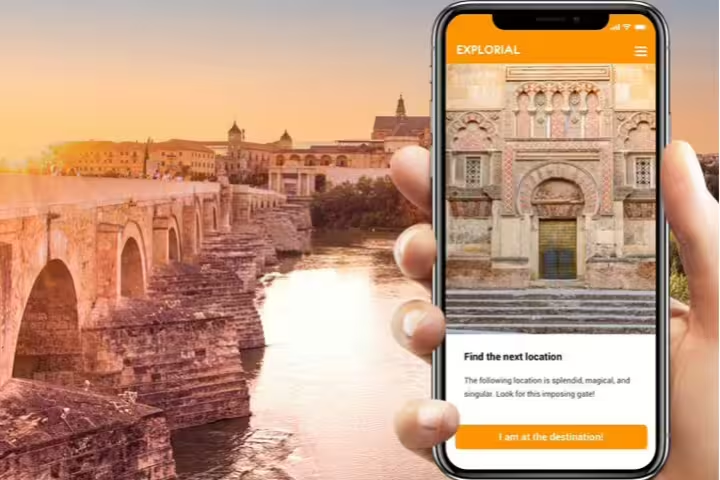
A self guided walk ties everything together, because Cordoba is best understood through transitions, from grand monuments to quiet residential lanes. The city rewards curiosity, and even short detours can reveal architectural details and changing street patterns. Practical tip, save offline maps, then allow yourself to get slightly lost within the central area, it is part of the charm.
Photography Loop for Golden Hour
The warm tones of stone, the arches, and the river views make this a strong destination for photography, even with a phone camera. Golden hour reduces harsh contrast and brings out texture in walls and paving. Practical tip, build a simple route that ends at the Roman Bridge so you finish with a wide skyline view.
Start early at the Mezquita Cathedral to experience the interior with fewer distractions, then move into the Judería for a slow, detail focused walk. After lunch, visit the Alcázar to add a second major anchor to the day, then take a late afternoon break to avoid the hottest hours. Finish with a sunset walk across the Roman Bridge and a relaxed dinner near the center, keeping the evening unhurried.
Day one follows the highlights route but adds more time for plazas, small museums if they catch your eye, and a longer evening bar circuit. Day two is for patios, neighborhood wandering beyond the most obvious lanes, and revisiting your favorite area at a different time of day to see how the light and mood change. If you have a third day, keep it flexible for a half day excursion, then return for a final sunset loop and a farewell dinner that focuses on local specialties.
Food in Cordoba is shaped by Andalusian tradition, hot weather habits, and a love of simple ingredients done well. Use these ideas as a tasting checklist, and ask what is most typical in the moment.
Cordoba is highly walkable in the historic center, and walking is often the most enjoyable way to connect monuments, plazas, and river views. For longer distances or when heat is intense, use local transport options or taxis to conserve energy, especially if you are fitting major sights into a short stay. Keep an eye on cobblestones and narrow lanes, and wear stable footwear, the charm of the old town comes with uneven surfaces that can be tiring over a full day.
Andalusia is built for multi stop travel, and Cordoba can slot into a broader route with ease. These nearby ideas work well as half day or full day add ons, depending on your pace and transport choice.
Yes, the historic center is compact and easy to explore on foot. Comfortable shoes help, because many streets are narrow and can have uneven surfaces.
One day covers the main highlights at a brisk pace, especially if you start early. Two to three days lets you slow down, explore patios and plazas, and add a day trip.
Earlier hours are usually better for a calmer experience and softer light in tight streets. Sunset is ideal for the Roman Bridge and riverside viewpoints.
Cards are widely useful in central areas, but carrying some cash is smart for small purchases. This balance makes day to day spending smoother.
Choose salmorejo for a classic local flavor that suits warm weather. Add a hearty option like rabo de toro if you want a deeper, slow cooked specialty.