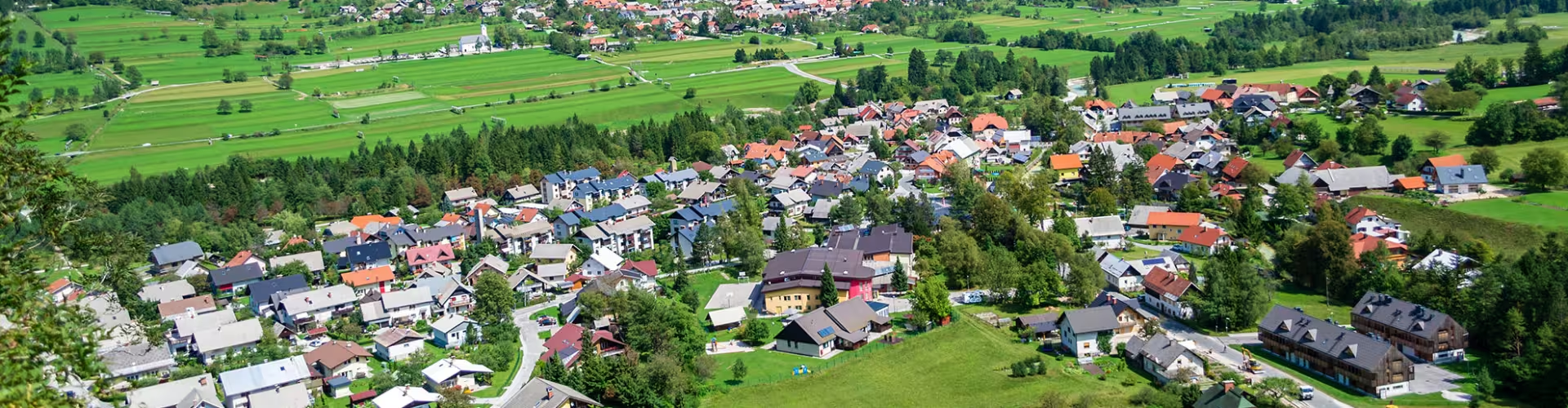

Mojstrana is a small alpine village that works as a practical base for big landscapes, quiet walks, and mountain culture in Slovenia. The appeal is simple and strong, fresh air, dramatic valleys, and easy access to outdoor routes that suit both casual travelers and serious hikers. Use this guide to plan what to do, when to go, how to get around, what to eat, and how to build a day-by-day plan that fits your pace.
Mojstrana feels like a calm gateway to the Julian Alps, with a outdoors-first rhythm and a village scale that makes logistics easy. Come for the scenery, stay for the sense of space, and the way short drives and walks can lead to memorable viewpoints. It is especially appealing when you want a nature-forward trip that still keeps you connected to the wider Kranjska Gora area.
Mojstrana sits in the Upper Carniola region, associated with the wider Kranjska Gora area in northwestern Slovenia. It is positioned for exploring alpine valleys and mountain routes, while still being connected to regional roads that link small towns and resort areas. For international arrivals, travelers typically route through Slovenia’s main airport hubs, then continue by road toward the Kranjska Gora area and onward to the village.
Plan your timing around what you want to do outdoors. Warmer months generally favor hiking, valley walks, and longer daylight for photography, while colder months shift the focus toward winter scenery and nearby seasonal activities in the broader alpine region. Crowds tend to follow school holidays and peak summer weekends, so aim for shoulder periods if you prefer quieter trails and easier parking.
Slovenia uses the euro, and travelers usually find that costs vary by season and proximity to major resort centers. Keep a small amount of cash for small purchases and rural services, and use cards where accepted for accommodations and larger expenses. If you are building a flexible budget, plan a higher daily spend during peak periods, when demand for stays and transport typically increases.
These experiences are designed to help you decide what is worth your limited time, especially if you are balancing nature, culture, and comfort. Where relevant, this section also supports trip planning for things to do in Mojstrana and Mojstrana hiking.
1) Valley and village walks
The village scale makes it easy to slow down and notice the details, mountain backdrops, traditional architecture, and the everyday rhythm of an alpine community. A simple walk can be the best way to adjust to the altitude and reset after travel. Practical tip, start early for clearer views and calmer paths, especially in busier seasons.
2) Scenic viewpoints for photography
The landscape around Mojstrana is built for wide-angle views, layered ridgelines, and changing light that can transform a familiar scene in minutes. Viewpoints are not only about photos, they also help you understand the geography of valleys and passes. Practical tip, pack a light layer even in warm months, because temperatures can shift quickly in alpine areas.
3) Use Mojstrana as a base for the Kranjska Gora area
Staying in Mojstrana can give you a calmer home base while keeping you close to the broader Kranjska Gora region. This is useful if you want to combine quieter evenings with day trips to busier resort zones. Practical tip, plan your driving and parking around peak hours, because popular stops can fill quickly.
4) Trail planning and route research
If you are interested in Mojstrana hiking, the key is preparation, even for routes that look straightforward on a map. Alpine terrain can change with weather, and distances often feel longer on foot than expected. Practical tip, save offline maps, confirm your route plan before you go, and tell someone your intended return time.
5) Slow travel, cafés, and rest stops
A good trip is not only about summits and schedules. Build in time to sit, hydrate, and enjoy the atmosphere, especially if you are moving between valleys and viewpoints. Practical tip, eat and drink before longer walks, and carry water, because services can be limited once you leave the village center.
6) Seasonal nature experiences
Different seasons change what feels special. In warmer months, the focus is on long walks, alpine greenery, and extended daylight, while cooler months lean into crisp air and dramatic winter scenery. Practical tip, align your daily plan to daylight hours, and keep a backup option for weather shifts.
7) Explore nearby alpine valleys
The wider region is known for valley landscapes that reward short drives with high-impact scenery. This is ideal if you want variety without constantly changing accommodations. Practical tip, start with one valley-focused day and one village-focused day, then adjust based on energy and weather.
8) Build a flexible itinerary with time buffers
The best alpine days include margin for delays, photo stops, and spontaneous detours. Rushing often leads to missed viewpoints and unnecessary stress. Practical tip, schedule one major activity per day, then add optional extras if conditions are good.
Start your day with a village walk to get oriented and identify your preferred viewpoints for later light. Next, dedicate the middle of the day to a longer outdoor route aligned with your fitness level, focusing on steady pacing and planned breaks. Finish with a relaxed late afternoon loop and an early dinner plan, so you are not navigating in low light if the weather shifts.
Day 1, keep it gentle, village exploration, a short scenic route, and time to plan your next days based on conditions. Day 2, make it your primary nature day, choose a longer hike or valley exploration, with a clear turnaround time to stay within daylight. Day 3, use Mojstrana as a base for a wider loop in the Kranjska Gora area, then return for a calm evening and a final walk to revisit your favorite view.
This part of Slovenia leans into comforting, mountain-friendly food, designed to refuel you after time outdoors. Exact menus vary by venue and season, so use these as smart ordering ideas rather than fixed promises.
1) Hearty stews
Expect slow-cooked flavors and a warming profile that suits alpine weather. Ordering tip, ask what the daily stew is, it is often a practical choice after a long walk.
2) Sausages and grilled meats
These are common in mountain regions, typically savory and satisfying. Ordering tip, pair with a simple side and plan water or a warm drink if you are heading back out.
3) Dumplings or filled pasta-style dishes
Central European influences often show up in comforting dough-based plates. Ordering tip, choose these on cooler days, they are filling and travel well if you need a substantial meal.
4) Seasonal soups
A good soup can be the perfect start before an outdoor day, especially when the air is crisp. Ordering tip, use soup as a lighter option if you are hiking later.
5) Local desserts
Look for simple cakes and pastries that match the region’s homestyle vibe. Ordering tip, if you want value, ask what is freshly made that day.
6) Coffee and warm drinks
A café stop is a practical ritual between walks and drives. Ordering tip, plan your café break as a timing anchor, it helps you avoid starting a longer route too late.
Mojstrana is easiest to enjoy with a walking-first mindset for the village itself, then simple road connections for nearby valleys and regional highlights. If you are self-driving, build your day around early starts to reduce parking stress during peak periods. For travelers without a car, focus on what you can comfortably reach on foot, then plan longer connections in advance using regional transport options and confirmed schedules.
Safety and accessibility notes matter in alpine settings. Wear shoes that match your route, carry a layer for temperature changes, and avoid pushing into unfamiliar terrain late in the day. If anyone in your group has mobility constraints, prioritize viewpoints and shorter walks that do not rely on uneven trail surfaces.
Use Mojstrana as a base to sample the wider alpine region without changing hotels. Travel times depend on traffic, season, and your exact route, so treat these as planning ideas and confirm the details locally.
1) Kranjska Gora area
A natural add-on for resort infrastructure, scenic drives, and a broader choice of services. Travel time, typically a short regional drive. Primary reason, variety and convenience when you want a change of pace from a quieter village day.
2) Julian Alps scenic routes
Ideal for travelers who want high-impact landscapes and changing viewpoints throughout the day. Travel time, variable depending on the route you choose. Primary reason, a deeper sense of Slovenia’s alpine geography.
3) Nearby alpine valleys
Valleys are a signature experience in this part of the country, combining easy scenery with flexible walking options. Travel time, short to moderate by car. Primary reason, a full day of nature without committing to a single long hike.
4) Regional viewpoints and photo stops
Perfect if your group has mixed interests, because short stops can still feel rewarding. Travel time, flexible. Primary reason, efficient sightseeing with minimal physical strain.
Is Mojstrana a good base for exploring the Kranjska Gora area?
Yes, it can work well if you want a quieter village feel while staying connected to regional highlights. Plan your day trips with extra time buffers in peak season for traffic and parking.
How many days should I plan for Mojstrana?
One day covers the essentials at a fast pace, especially if your focus is scenery and a short walk. Two to three days is better if you want flexibility for weather changes and a deeper outdoor plan.
When is the best time of year to visit?
Warmer months generally suit hiking and longer daylight, while colder months emphasize winter scenery and a slower pace. Shoulder periods can feel calmer if you prefer fewer crowds.
Do I need a car in Mojstrana?
Mojstrana itself is easy to enjoy on foot, especially for village walks and nearby viewpoints. A car can make regional day trips and valley exploration simpler, particularly if you want to see more in limited time.
What should I pack for outdoor days?
Bring layers, water, and footwear suited to uneven surfaces. Add offline maps and a basic backup plan in case weather shifts during your route.